
Chimney Cleaner (Sweep)
A Chimney Cleaner, or more commonly know as a Chimney Sweep, is a person whose job it is to remove the creosote or other buildup in a chimney’s flue to prevent hazardous, unwanted fires and to aid in the efficiency of your chimney’s function. There was only one Dick VanDyke and we can assure you that you’ll want our sweeps to refrain from any sort of song and dance.
And while we may refrain from song and dance, we will take the responsibility of ensuring you can be entertained by safe and enjoyable fires in your fireplace/chimney. It is of great importance to ensure that your Chimney Sweep is certified by the Chimney Safety Institute of America (CSIA), proficient in industry regulated cleaning standards and proper inspection practices of your chimney.
The sweeps at Brick + Ember Outfitters are all certified by the CSIA and are prepared to address any chimney-related concerns which may arise during an assessment of your chimney or fireplace.
Industry professionals do recommend a chimney be swept and inspected, at least once, annually. The safety and functionality of your chimney is extremely relevant and important to the safety of your home and family.

My Chimney is Leaking!
Water, dripping from the ceiling, running down the mantle, sitting at the bottom of the firebox? A heavy rain is something that no homeowner should have to see from the inside of the home, but happens more often then you may think.
Anytime water penetrates the veneer, house-wrap and interior walls, the distressed sinking feeling arrives in your mind, so the sooner you can address the issue the better – give us a call!
What causes a chimney to leak? Here are a few of the most likely diagnoses:
- Missing or damaged Rain-Cap. Rain falls right down the chimney – simple enough to remedy! Grab a rain jacket and take a quick look up at the very top of the chimney to see if you’ve got a rain-cap.
- Damaged Concrete Crown or Chase Cover. A crown is the concrete “roof” to the chimney, but being a porous material that can deteriorate, water can begin to leak into the chimney. A Chase Cover is a metal fitted lid that serves the exact same purpose as a concrete crown, but if it’s rusting or sagging (concave), you’ll find yourself in the same complex: leaking.
- Old, deteriorated Flashing. The flashing used to channel water away from where the chimney meets the roof may need to be replaced. The caulking used to adhere the flashing to the chimney may be dried out or simply deteriorated, a probable cause for the leak.
- Damaged bricks or mortar. If the structure of the chimney itself is in disrepair, water may penetrate the home.
If you see water in or around the fireplace/chimney, call us. We also provide water-tests to pinpoint the leak, because time wasted is money wasted - no guessing around.
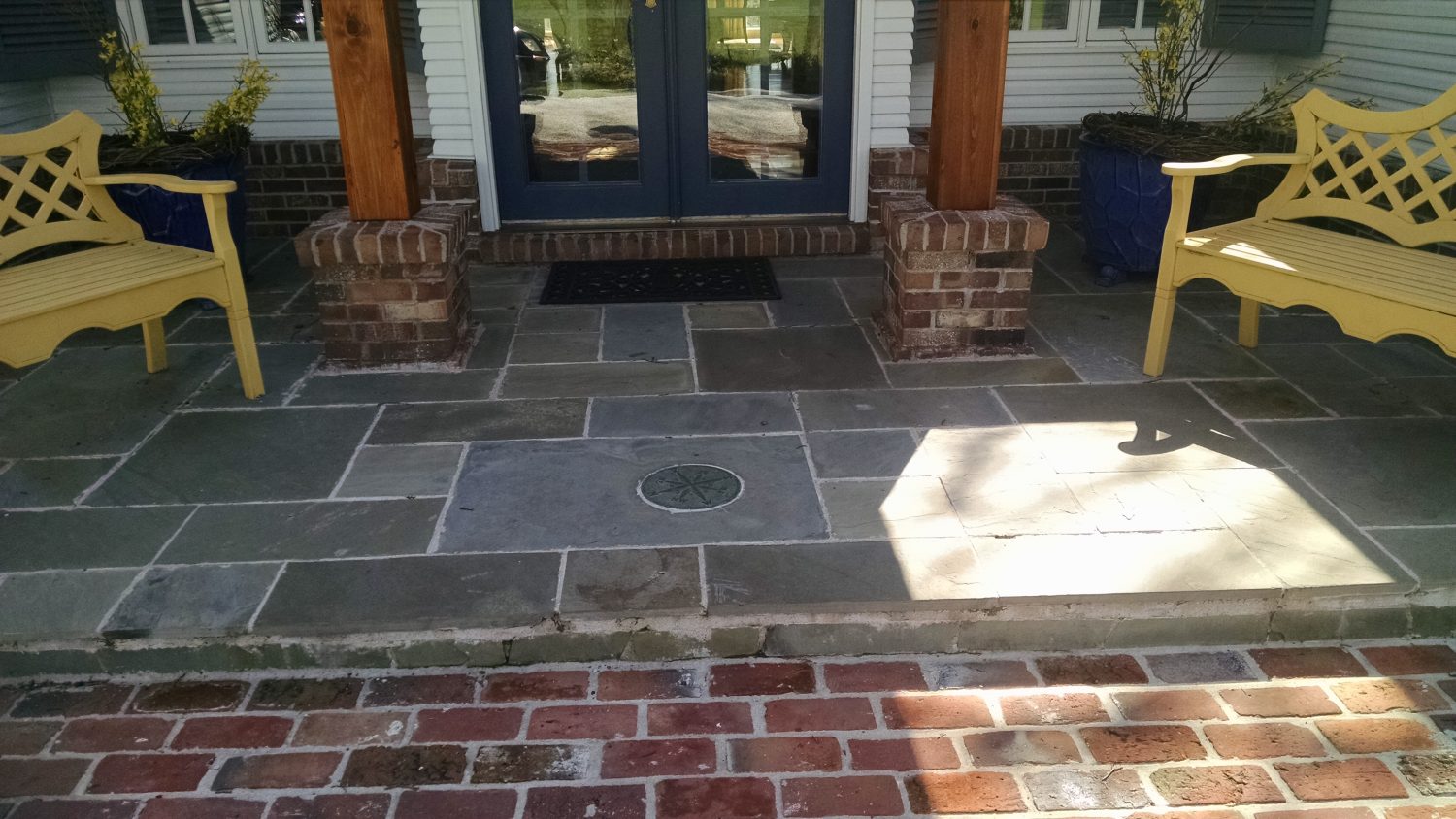
Masonry Patios: Which is Better? Mortar V.S. Sand Joints?
Even professional Masons continue argue the pro’s and con’s of mortar vs. sand joints. Short answer: a variable decision.
Here are the facts.
Traditional mortar is a powdered mix of Portland cement and water. After drying it becomes hard as a rock. Mortar creates a very permanent patio that, with proper installation and water drainage, lasts for decades. However it does have a downside, when mortar fails it can present large cracks. These cracks can be caused by freeze-thaw, tree roots or shifting soil under the patio. Cracking joints or major settling issues do require repair, which has led to more sand-joint patios than years past.
Sand-jointed patios are more flexible than mortar. They are designed to flex, rather than crack and when issues arise, they can be fixed relatively easily. But they can flex and settle too much. It’s not uncommon to “re-set” a sand joint patio every few years. So while it may not be as costly, initially, to fix, these patios can create more “routine” repairs, more often – it’ll add up.
For a permanent patio, nothing beats a mortar joint. It is a classic look and if in ideas stalled properly and maintained properly, will last decades with minimal issues. If you are a DIY-er, a sand-joint patio may suit your fancy. Both options do require the due-diligence of proper maintenance.
If you’re just altogether still on the fence about it, give us a call, and we can collaborate together, and come to a decision that is best for your homeownership wants and needs. Your Outfitters would be happy to hear about your project and provide a free estimate for a solution that meets your vision and your budget.
Does a Fireplace Veneer/Hearth Increase My Home's Value?
The value of a fireplace, with regard to the overall value of the home, is a tough thing to pinpoint. Like many amenities, a fireplace is more valuable to someone who wants a fireplace than it is to someone who doesn’t.
However, the better question is, “Does the Fireplace Appeal to Potential Home-Buyers?”
Yes, if you are looking to sell within the next 1-2 years larger home-improvement projects may not be a great plan, but if you’re looking to update the home and bring about some buyer-appeal, a fireplace rehab is said to bring up to 80% ROI.
Most homes do have a fireplace, and a greater number serve more than one purpose. Fireplaces add an architectural interest to the home and they are a functional source of heat. Fireplaces can also fall under the category of general maintenance systems of the home, which can also provide a good ROI.
How?
For any potential buyer, a home-inspector is hired to come and assess the home for major structural issues; this will include the chimney or fireplace. If issues are found, the inspector may request any necessary repairs be made in a small window of time, or even require that a deduction be made from the selling-price of the home, to compensate for the needed repairs.
If your fireplace or hearth remodel are not among the higher options for projects, we’d suggest making your fireplace and chimney maintenance your investment. Here are a few less costly, but altogether beneficial, investments that can be made to maintain the value of your chimney/fireplace:
- Replace any damaged brick
- Clean the Firebox, ensuring there are no gaps, or cracks in the firebrick
- Clean the any soot/smoke off of the fireplace/mantel (which may indicate a drafting issues)
Is My Fireplace Safe to Use?
"Is my fireplace safe to use" is sort of a relative question - if you have a fireplace and have never had it inspected or cleaned, you are playing with fire. Also understand that deterioration can occur to the interior of the chimney even when the chimney is not in use (or has never been used) – it’s Indiana folks, the inconsistent weather takes a toll on the masonry, and that's - that. When it comes to burning wood, a natural byproduct called creosote is notorious for building up, lining the flue-system. Creosote is highly flammable. If a fire place burns hot enough and long enough it can reignite the creosote in the flue and start a chimney fire (for example, pouring gas on a fireplace fire to get it to burn, can cause the fire to super-heat, cracking flue-tiles). Chimney fires often burn higher up in the chimney’s flue system and if there are already cracks or holes from missing mortar in the flue system, the fire can spread to the structure of the house – deductive reasoning: fires that are not contained are not friendly fires.
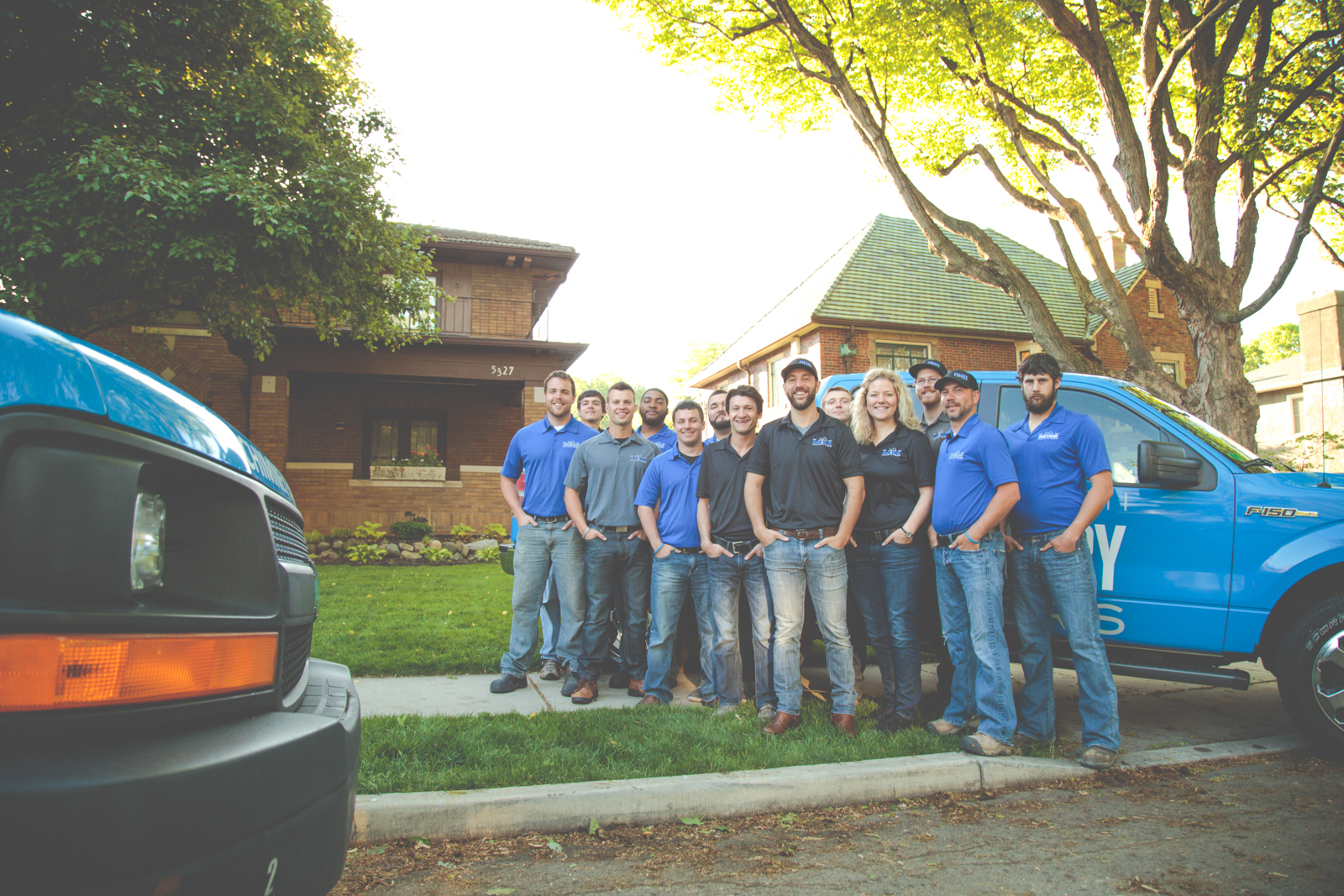
What to Expect When Scheduling Your Chimney Sweep With B+E
We understand your time is valuable and so is your home. Brick + Ember Outfitters is interested in building equity, restoring beauty and growing piece of mind.
When you call Brick + Ember Outfitters to schedule a chimney or masonry service, we will want to know what you know and educate you on what you don't yet know. We provide a specific time for your appointment, because we believe that meeting you is important – a time that works with your schedule.
Our Chimney Sweeps are Sweep Certified by the Chimney Safety Institute of America.
Expect:
- An email confirmation of your appointment date and time, as well as the information of the Outfitter who will be coming out to your home or property
- A call when we are on the way
- Clean/Safe chimney sweep and assessment practices (air filter for cleaning out chimney, the laying of tarps or drop cloths, mindfulness of gutters and roofing)
- A pleasant experience with an explanation of the areas in question, and the options available to best address your chimney or masonry needs
- A final report with all findings and recommendations, including pricing
Know Your Chimney
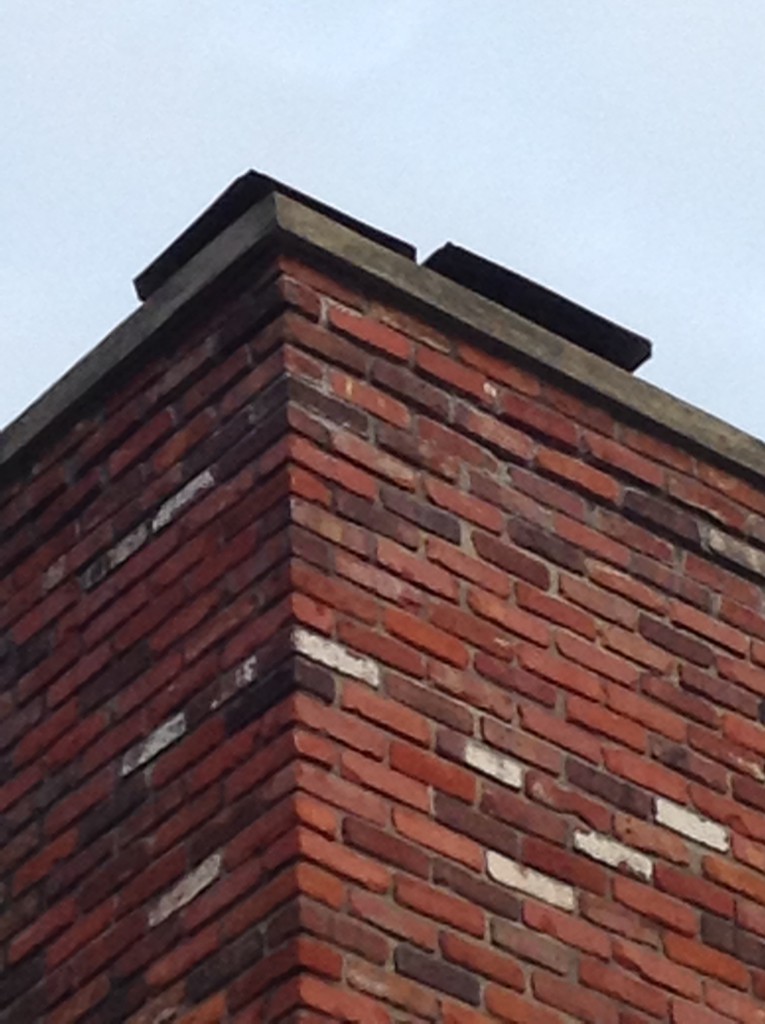
Believe it or not, water doesn’t need cracks to penetrate your brick chimney. Major chimney damage often starts with just a little soaking. Many chimneys are built with masonry materials which are porous in nature that allows water to soak through the chimney and into the home, usually without any warning signs to the common eye. This soaking primarily starts in the chimney’s crown, which acts as a roof for your chimney. This makes the brick brittle, causing cracks and deterioration that spreads over time. In the winter, this damage is multiplied as the water in your chimney freezes and expands, resulting in major damage to the infrastructure of your chimney.
It often starts small. Even small cracks are a sign there may be significant and unseen internal damage to your chimney. While cracks are dangerous in that they damage the structural integrity of your chimney, they have a hidden threat that results in far more serious complications. Cracks act as an access point for things like water, smoke and even heat traveling through your chimney. This is the perfect cocktail for a variety of problems that, if left untouched, multiply over time.
One of the most damaging results of water and heat traveling through cracks in your chimney is mold. As water soaks through your bricks and crawls through cracks in the chimney, it frequently finds its way into the walls of your home. The combination of water and heat traveling through cracks in your chimney creates an ideal environment for mold to thrive, usually undetected for long periods of time. Mold damage that isn’t detected early often results in expensive and extensive deterioration to the walls that support your chimney and your home. But more damaging is the serious health risk that mold poses by living so close to where you spend so much of your time.
One of the most obvious signs of major damage to the internal parts of your chimney is the lingering smell of smoke after using your fireplace. As smoke travels up the chimney, it is diverted by even the smallest cracks that can extend to the walls of your home. Not only does this carry an odor, but the smoke can carry heat and embers that can catch the internal walls of your home on fire.
Do Chimney Sweep Logs Work?
"We use the creosote logs, and those work just as well as a sweep - right?"
No, that’s not what we’d suggest at all. Here’s the break down on creosote and those logs you’d buy, to burn it all up. Those logs are a great step in the right direction, but they are not an end-all alternative for the physical sweeping of your chimney. The creosote logs work like this: begin burning the logs, and the composition of those logs, plus your fire, are to release a chemicals which aide in the break-down and drying up the creosote. However, the reality is, those logs often have labels on them which state that the majority of the creosote is reduced. Okay, great. The realness here is that hazardous material is still left up in your flue. You get the idea. We’re not saying they’re useless; they’re just not a great end-all for properly ensuring the cleanliness of your chimney’s flue.
Read more
DIY Chimney Inspection
If you are up to the task, inspecting your chimney once or twice a year will go a long way to prevent many serious or potentially hazardous issues. Chimneys serve two primary purposes, exhausting the fireplace and exhausting any HVAC systems. Inspecting your chimney yourself can save some money and keep your home safe. Here’s what to consider if you choose to do your own inspections: