
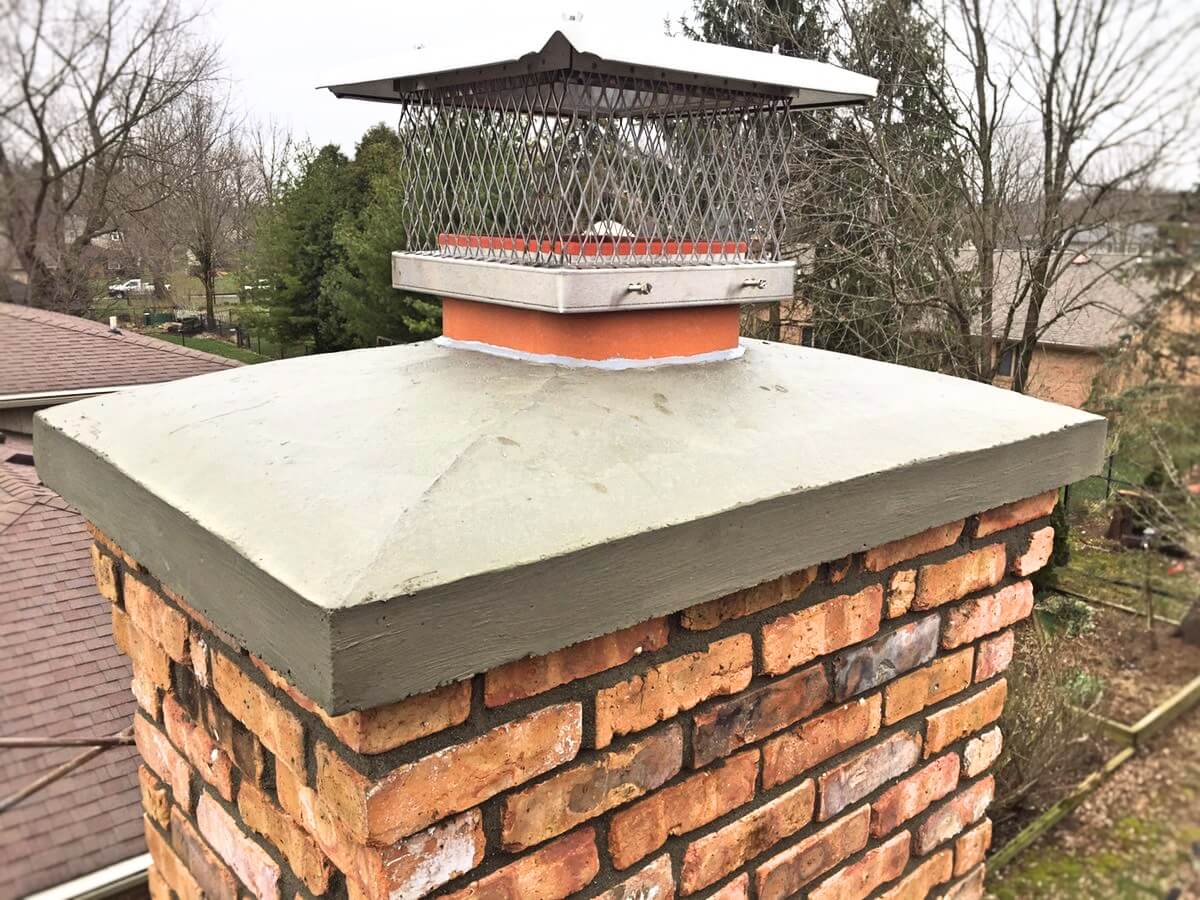
Do I Need a Chimney Cap?
Most homeowners love their fireplace. It serves as a nice, warm spot to read on rainy nights or the place where the family gathers on those cold holiday mornings. And while people know the big picture requirements for owning and maintaining a chimney (like annual inspections and sweepings), they often forget to think about the little things. One such detail is the chimney cap.
Chimney caps are an interesting topic because they’re cheap, easy to have installed, and all too often ignored. To most, if a chimney cap didn’t come with the house, they hardly give the idea a second thought. In fact, one of the most common questions we get is, “Do I need a chimney cap?” Here’s the 100% honest answer:
No, you don’t need one. But you really should have one.
Having a chimney cap will likely not lead to anything as catastrophic as ignoring inspections or letting creosote build-up, but they do serve some very functional purposes for homeowners. The most common reasons for installing a chimney cap, however, are to prevent animal/debris blockage and to provide better protection against harsh weather.
Prevent animals from entering or nesting in your chimney
A big issue for homeowners is having their local wildlife find an entrance to their home via the chimney. While the extent of this risk is dependent upon where you live, it is not uncommon to have squirrels or even raccoons (the latter being a more serious threat to young children) crawl down the chimney and into a home at night. More often than not, however, the real problem is when birds decide to build their nest at the top of your fireplace which is either a gas or fire hazard depending on the type of chimney you own.
Another problem that can arise is having that autumn foliage drift into your chimney. Leaves changing can be beautiful, but a buildup of dried leaves can also become an annoying nuisance needing to be cleaned or even a serious fire hazard.
The bottom line is that you don’t want anything blocking the path above your fireplace, and chimney caps can be the perfect solution.
Weather
When you think about it, a chimney is literally a hole in your roof connecting to your house. It’s designed this way to allow smoke to exit your home, but it works both ways. If there is heavy rainfall, you can expect water to enter your fireplace. More often than not, this is a minor annoyance, but on nights with heavy rain, you can have several inches of rain enter the room where your chimney has been installed. Wind is also an issue to take into consideration. Besides the annoying “howl” that can sometimes be caused by wind blowing through your chimney, your house also becomes susceptible to cold drafts cooling the room—which is ironically the exact opposite of what you want a chimney to do in the first place.
Final thoughts
Installing a chimney cap is not an expensive project, so it’s always surprising to see homes without them. While it may be tempting to install a chimney cap yourself, it may be worth hiring a professional to do so. Installation isn’t difficult, but not all chimney caps are created equal and some serve more specific purposes than others which is something that most hired contractors will be able to help you with.
If you’re located in Indianapolis, contact Brick + Ember Outfitters today to schedule your appointment and learn just how easy it is to get a chimney cap installed today!

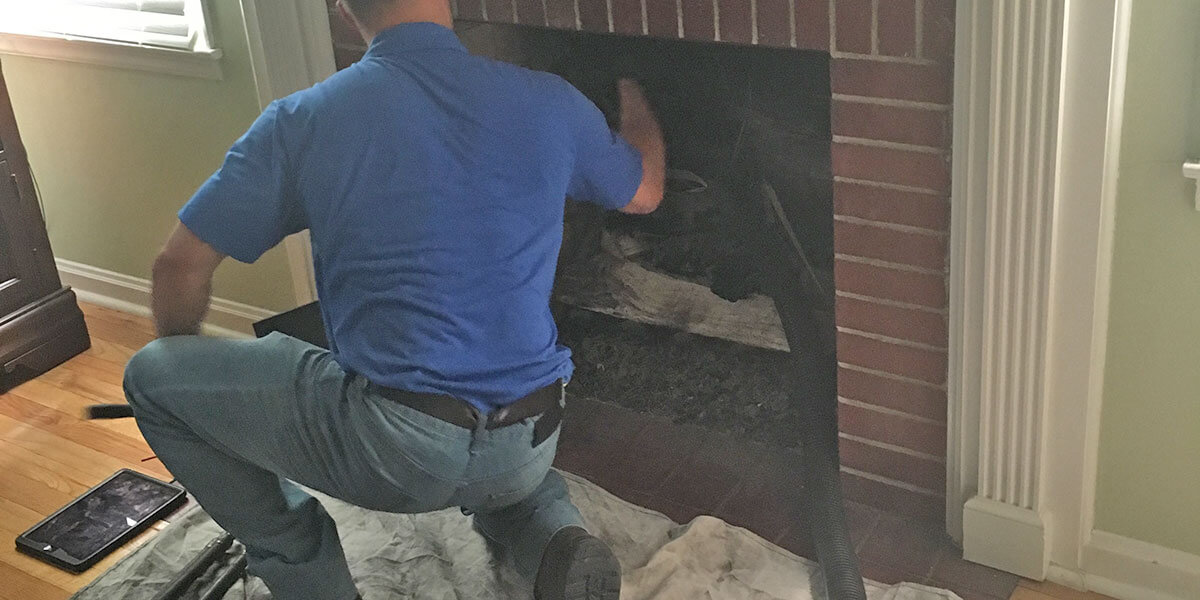
When is the Best Time of Year to Get a Chimney Sweep?
The amount of work for a homeowner seems endless. Besides just the weekly tasks like mowing lawns or cleaning floors, there are also seasonal chores like fertilizing grass or shoveling snow. All of these jobs are important for keeping a happy, safe home but there’s one in particular that sometimes slips through the cracks: getting a chimney sweep.
Most people forget they need to have their chimney cleaned for a few reasons. First, because this is something that is only done annually, it isn’t a part of any “spring cleaning” routine and by the time you remember, it’s probably too late. Second, all the dirt and grime that has been building up in your chimney is hidden from view, so there are no unsightly reminders nudging you to clean throughout the year.
But having your chimney swept is an important part of home maintenance and ensuring safety for your family. So the big question remains: “When is the best time of year to get a chimney sweep?”
Spring, Summer, or Fall?
A lot of homeowners assume that the best time to clean your chimney is just before autumn or early fall. Since you don’t use your fireplace much in the summer, wouldn’t it make sense to have your chimney cleaned right before you begin using it again so it’s in pristine condition when you do?
Surprisingly, no. In fact, it’s just the opposite. Here’s why:
The main reason you have to get your chimney cleaned/inspected is to prevent creosote from building up. Creosote is a tar-like substance that is highly combustible which forms during the burning seasons. Due to the nature and formation of creosote, letting it sit during spring and summer only gives this flammable substance time to harden, making it a bigger nuisance (and fire danger) as time goes on.
RoofTopChimneySweeps.com explains this well when they say, “Because you don’t use the fireplace all summer, there’s no possibility of creosote building up before the fall. If a chimney is not used, it will be exactly as clean six months later as the day you cleaned it.”
In other words, waiting until fall to get your chimney cleaned means you’ll actually have a bigger, more expensive job on your hands because early stage creosote (which resembles dust) is much easier to remove than third-degree creosote (which resembles a hard rock).
Another bonus of not waiting for fall is that you’ll avoid being put on long waitlists and enjoy more flexibility from your contractor. As NearSay.com points out, “During the spring, your contractor has more flexible scheduling available. If they find something that needs attention during your chimney inspection, then they can fix it immediately. This is also an opportunity to handle any time-consuming chimney repairs if necessary.”
So, when is the best time for a chimney sweep?
There is no “bad” time for cleaning your chimney and cleaning it in summer or early fall is certainly better than nothing, especially if you forgot to have it done last year. However, the best time to have your chimney cleaned is in the spring, just after the burning season. Making this a regular habit as part of your home-owning responsibilities will ensure that you have a clean, safe chimney all year long!
If you’re located in Central Indianapolis, contact Brick + Ember Outfitters today to schedule your appointment and get your chimney cleaning booked today!
Why Can't I Clean My Chimney Myself?
Old jeans? Check. Long broom? Check. That ugly shirt your mother-in-law gave you for your last birthday? Check. So you’re all set to clean out that chimney before winter, right?
Maybe not so fast.
Read more
Why Is Creosote Dangerous For Your Chimney?
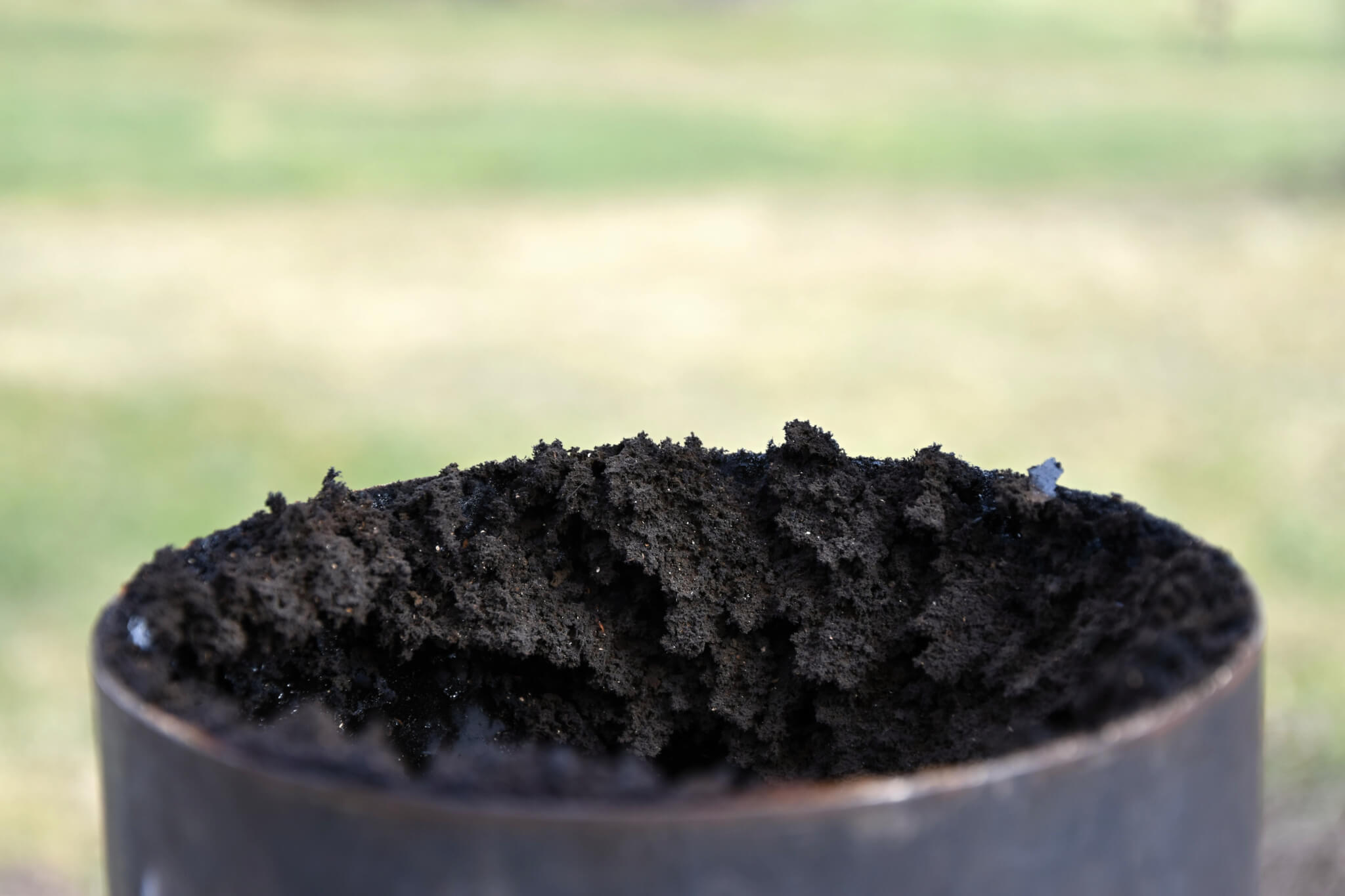
A lot of people have heard that creosote is bad for their chimney but haven’t really taken the time to learn why—or worse, they simply don’t care. But understanding what creosote is and why it is dangerous for your chimney is incredibly important for knowing how to prevent costly and potentially life-threatening fires in your home.
Read more
Do I Still Need to Get My Chimney Checked If It's Heated With Gas?
Summer is over, the kids are back in school, and Starbucks is bringing back their seasonal pumpkin spice lattes, which can only mean one thing: winter is fast approaching. And as you’re watching your neighbors spend their weekends chopping firewood to get ready for the cold, you can’t help but be grateful that you don’t have to join them. After all, you had that gas fireplace installed a few years back for that very reason.
Fall Real Estate Marketing Tips
For most people, transitioning from summer to fall is an exciting time of the year. The leaves are changing, the air is fresh, and the holidays are soon approaching. For real estate agents, however, the autumn months can feel a bit...dragging.
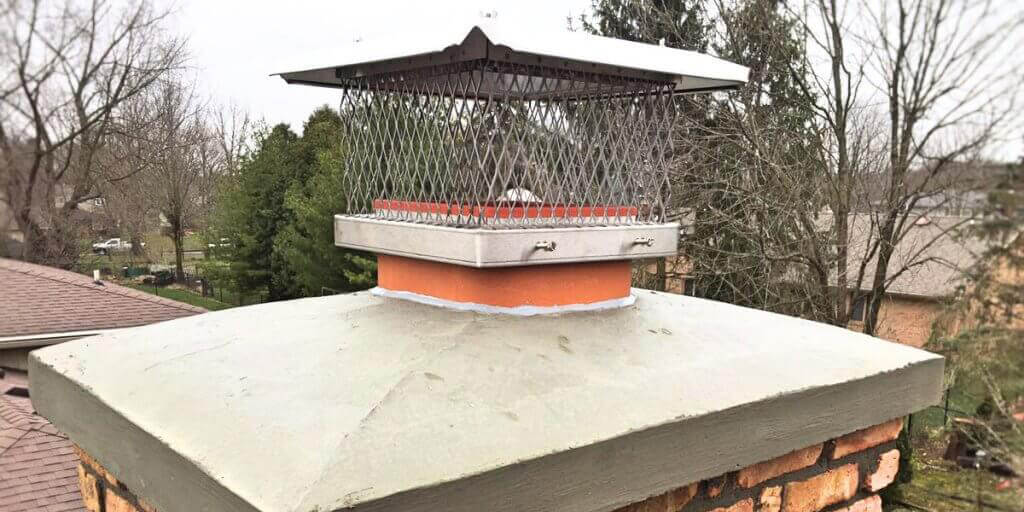
Why You Should Install a Chimney Cap
The winter months will be here before you know it. When the temperature outside gets chilly, there’s nothing like relaxing by the cozy, warm fireplace. Your chimney system not only adds charm to your home, but it also plays an important role in ensuring that you can enjoy a safe fire.
8 Things You Should Never Burn in Your Fireplace
Thanks to modern-day technology, most homeowners no longer have to light a fire to stay warm during the colder winter months. Even so, nothing quite beats cozying up next to a crackling fire. Since you’ve been a responsible homeowner and kept up with your annual chimney inspections, now that the temperature outside has started to drop, you’re ready to kick back and relax in front of a roaring fire.
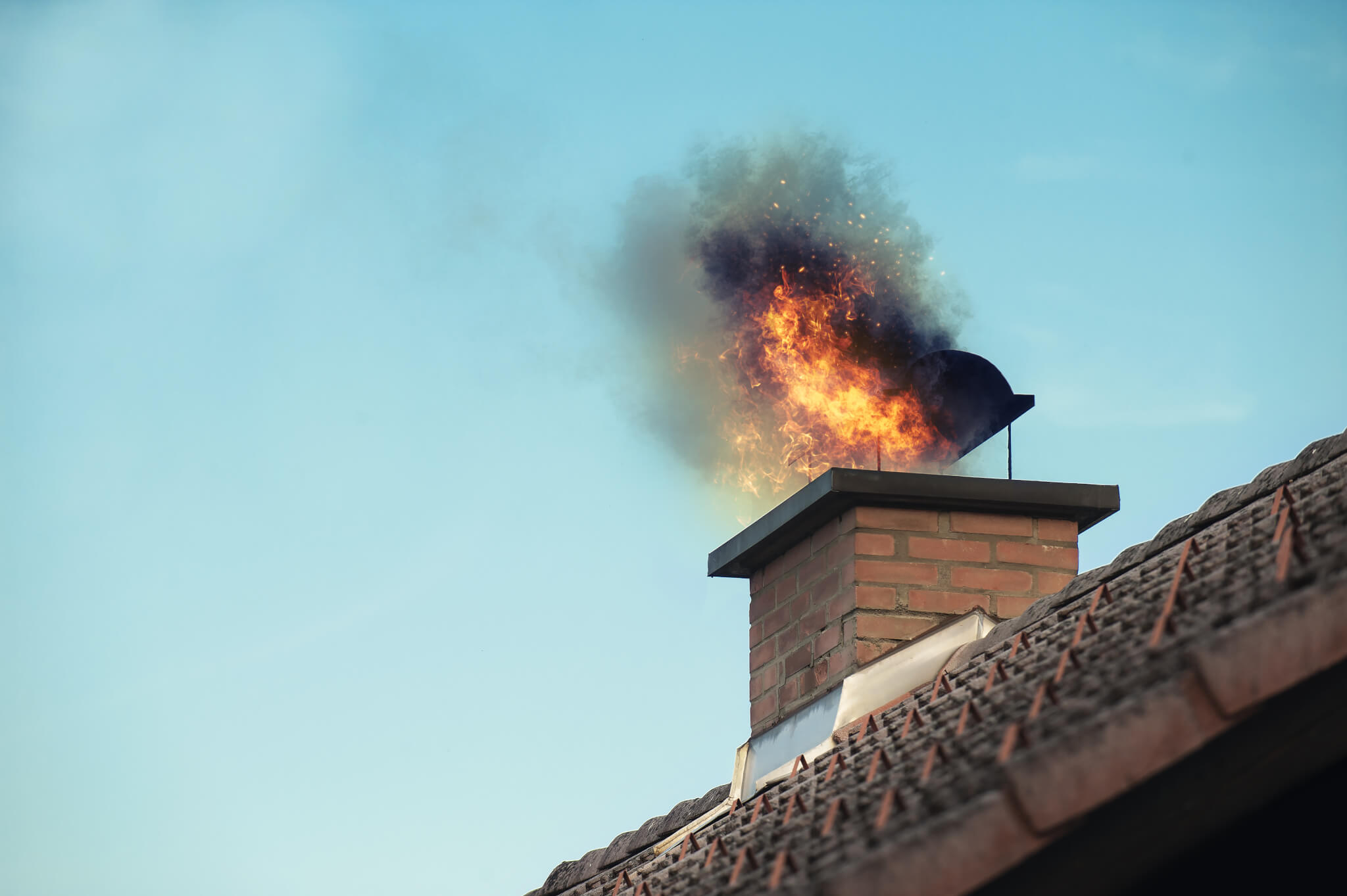
How Can I Prevent a Chimney Fire?
In the U.S., chimney fires account for over $120 million in property damage annually. Over 25,000 chimney fires occur each year, causing major damage to the structure of the home and resulting in serious injuries or even death.
Damaged chimney liners or a damaged chimney structure can create major problems for a home. This is because they allow high heat, sparks, and embers to enter into combustible areas of the walls, roof, or attic. One of the most common causes of chimney fires is creosote buildup on chimney walls.
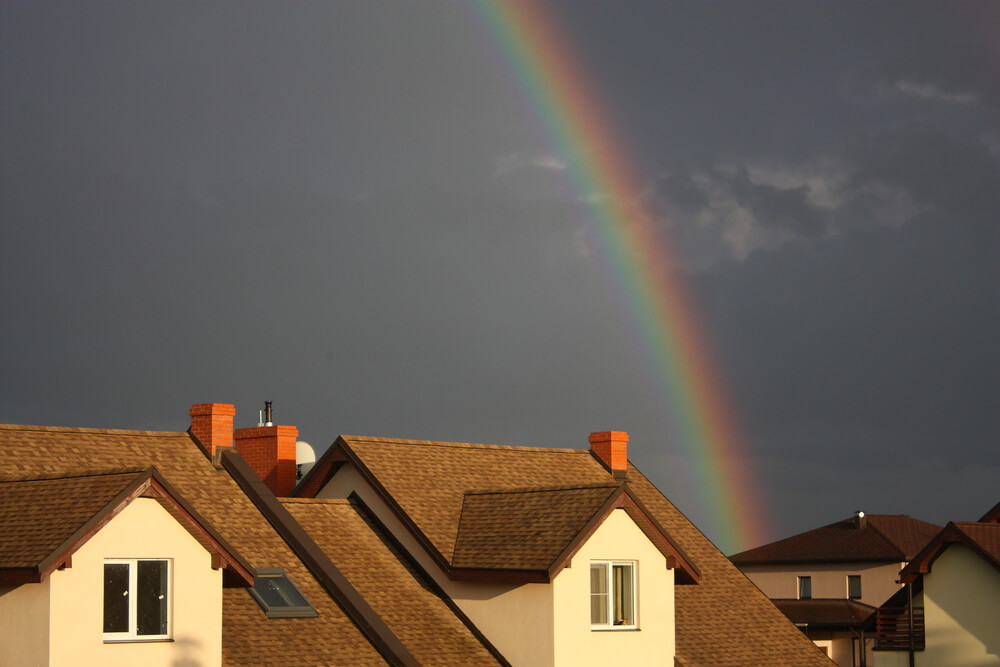
Is it Normal for Rain to Come Down My Chimney?
If you’ve been hearing a dripping sound coming from your chimney after a heavy rain or noticed moisture and stains on the wall near your fireplace, you likely have an issue that must be fixed by a professional.
Rainwater trickling into your fireplace is not normal. In fact, it is a telltale sign that there is an issue within your chimney system. The chimney is a much more complicated structure than most people realize. For this reason, pinpointing the exact source of the leak can be challenging.