
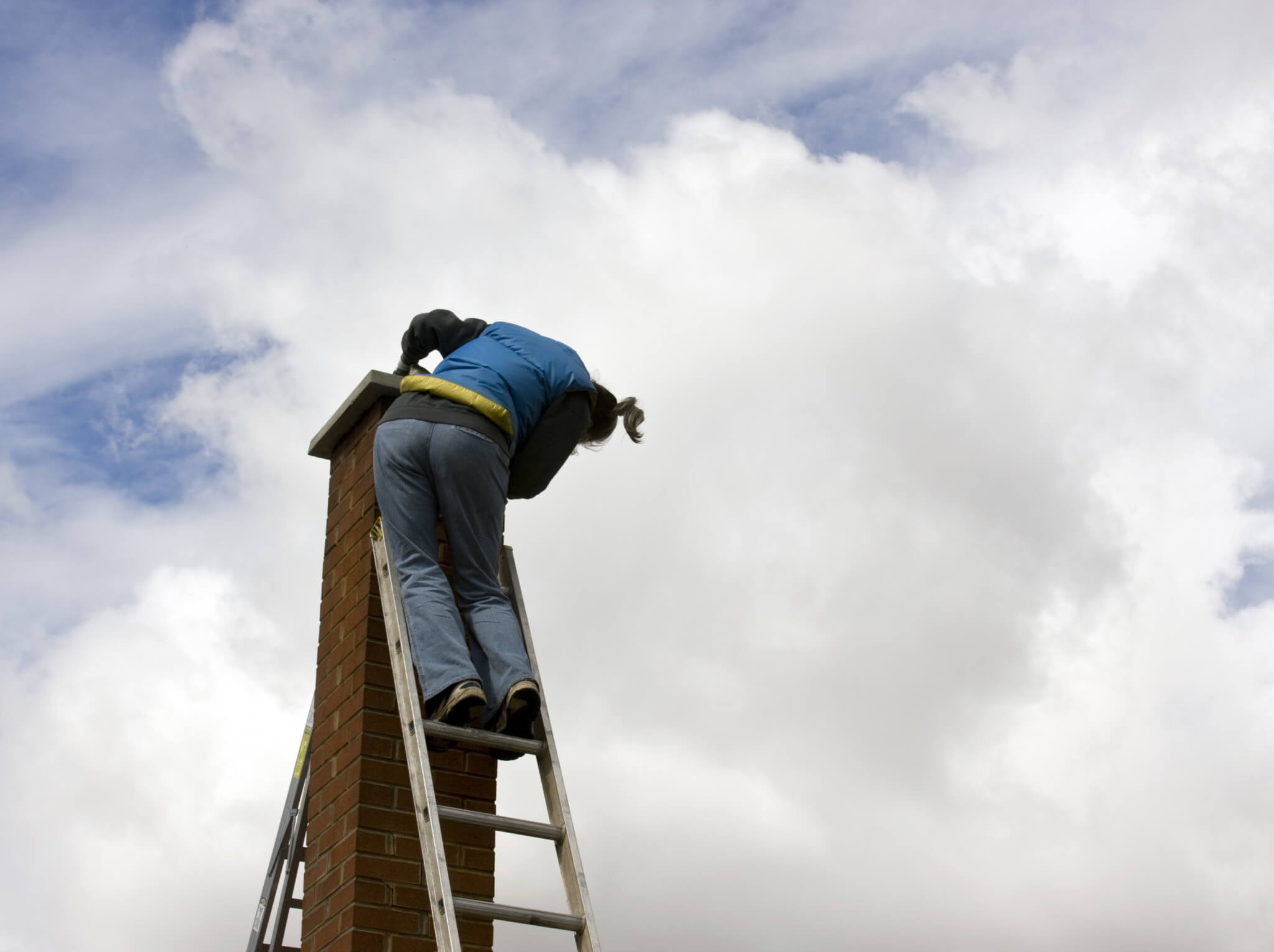
Is Chimney Cleaning a DIY Job?
You know that your chimney needs to be cleaned regularly, but maybe you find yourself wondering whether hiring a chimney sweep is really necessary. You maintain and clean the rest of your home, so how hard could chimney sweeping really be?

Why Does My Chimney Leak When it Rains?
If you notice that your chimney leaks during heavy rain, you need to act quickly. Finding the exact source of the leak can prove to be a difficult task because of how complicated a home’s chimney system is. The moisture caused by a leaky chimney can lead to the formation of mold, rot wood, or even damage your home’s finishes (plaster, wallpaper, or paint).
If not immediately addressed, the damage caused by chimney leaks can cause the collapse of the entire chimney structure, or even part of your home. If you notice a moisture spot on your ceiling, usually where the chimney intersects with the wall, you very well may be facing a chimney leak.
There are many reasons why a chimney leaks following heavy rain or snow. In some cases, a leaky chimney may become a chronic problem for a homeowner. Whatever the case may be, it’s important to properly diagnose the leak’s origin so that the source of the problem can be corrected.
If you’re a homeowner with a leaky chimney in Central Indianapolis, Brick + Ember Outfitters can help you get your structure back in good shape. We specialize in diagnosing and fixing chimney leaks. And because customer care and satisfaction are always top priorities for our team, we guarantee our work.
Common Causes of Chimney Leaks
Chimney leaks can be difficult to pinpoint. Leaks can literally come from anywhere on a chimney, which is why locating the source can be tedious, especially for the untrained eye of the average homeowner.
Although chimneys are just a small part of your home’s overall architecture, they play an extremely important role in ensuring the health and safety of your living space. If you suspect you have a leak, you may notice water seeping through a wall or coming through the fireplace. A damaged chimney can be costly to repair if the problem is not found and addressed early on.
There are at least three areas of the chimney where chimney leaks can occur:
- Mortar that is cracked or loose
- Cracked chimney flashing
- Damaged roof shingles
Once a leak has been properly identified, repairs can begin. Depending on the source, repair costs for a leaky chimney can range from a few hundred dollars to $1000+ if the problem is with the brick or mortar. Below are some of the common causes of chimney leaks:
Chimney Mud Cap
The mud cap is the mortared area surrounding the top of the chimney. If this area becomes cracked or loose, rainwater can get into the fireplace. Usually water is present in the hearth, but sometimes rainwater can change course and end up in other areas of the home.
To fix the issue, the mortar cap must be replaced and a flue cap should be inserted. Homeowners can also choose to cover the entire chimney top with a full-sized metal chimney cap.
Chimney Mortar Joints
Over time, mortar joints can deteriorate, leaving holes for water to enter through. In cases where large sections of the mortar in the joints is completely missing, water can come through during blowing rains. Water that enters a hole in the mortar joint can travel to holes in the bricks, zigzag past the flashing, and end up in the ceiling or land up on the slab.
This area of the chimney can be repaired by repointing mortar joints with new mortar.
Chimney Flashing
When leaks occur around the chimney flashing, identifying the source can be difficult. Even one small hole in a corner of the flashing can leak a large amount of water during a hard rain.
An expert sheet metal contractor or roofing contractor should he hired to professionally repair the flashing.
Roof Shingles
Roof shingles can also be the source of a leaky chimney. If you believe that a leak is present in this area, it’s best to have a professional examine the area and repair the shingles. Missing, worn or damaged shingles should be replaced as necessary.
Is Your Chimney Leaking?
Oftentimes homeowners assume that a leaky chimney will always show up as water dripping in the fireplace or flue. However, a home’s chimney system is extremely intricate, and a chimney leak may not be identified until after significant damage has already occurred.
The following may be signs that you have a chimney leak:
- Moisture collecting around the base of the chimney
- Musty odor coming from the fireplace, especially after it rains
- Dripping sounds coming from the chimney
- Water puddle forming at the bottom of your fireplace
- Water stains on your wall around your fireplace
How to Prevent Chimney Leaks
One of the most important reasons to schedule your annual chimney inspection is to get a professional assessment of the health of your chimney system. The experts at Brick + Ember Outfitters know how to identify and repair chimney leaks, preventing more costly damage on down the line.
We can also answer your questions about waterproofing your chimney, helping you to protect your investment for years to come. Enjoy your home without worrying about chimney leaks-- contact our chimney technicians today for an inspection.

Is Waterproofing My Chimney Necessary?
Your chimney plays an important role in protecting your home against wind, rain, fire and anything else mother nature tries to throw at it. A well-built chimney can last for many years, but you need to put the work into maintaining your chimney for a long life. Waterproofing your chimney can keep it functioning smoothly for years.
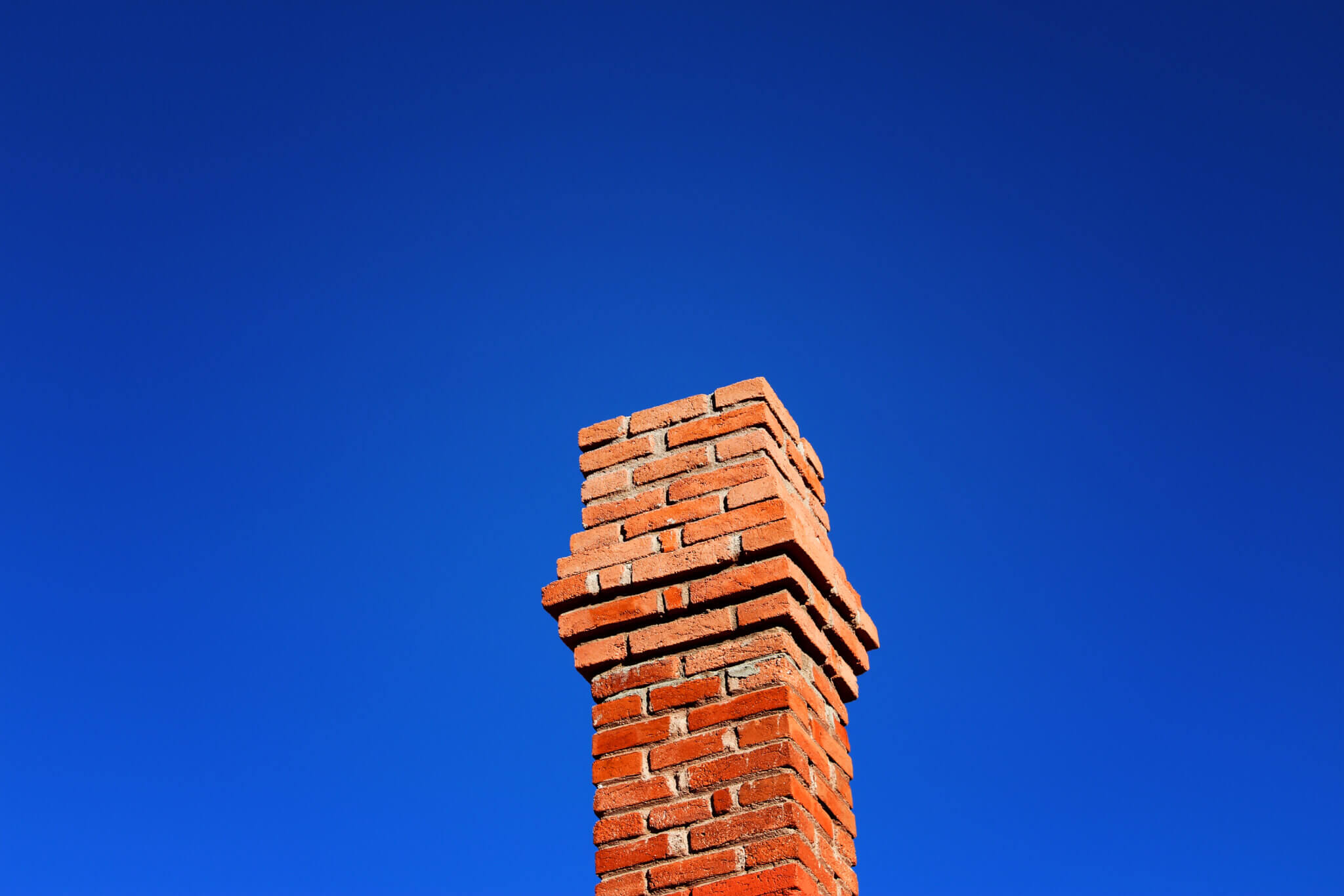
What is the Difference Between a Chimney, Flue and Vent?
Although chimneys may appear to be fairly simple structures, their makeup is actually much more complicated than most homeowners may realize. Your chimney may seem like it’s just the “cherry on top” for your roofline, but it serves a much greater purpose.
You’ll find that chimneys come in all different shapes and sizes. The average person may not know how to tell the flue from the vent, but no worries. In this article, we will provide a detailed description of the main chimney components and define the three terms that are most often confused: flue, chimney, and vent.
Flue
The flue serves as a passageway for smoke, gas, or other products associated with combustion. It plays an important role in protecting other parts of the home from the heat generated from combustion byproducts, which are produced when burning a fire.
Most modern-day homes have fireplaces with a lined flue. These flues are typically lined with tiles, asbestos-cement transite pipe, cement, or metal. However, because the materials will likely deteriorate over time, they may eventually require relining. If a chimney has a damaged flue liner, they will need to be fixed with a cast in place or stainless steel liners. This is to ensure that there are no gaps or holes that would allow hot air, gas, embers, or sparks to pass through.
Chimney
The chimney stacks vertically and extends out from the top of your home’s roofline. This ensures that smoke, gas, and other products of combustion can safely exit your home. It is possible for a chimney to pass through other parts of your home before it actually exits your home. This is typically seen in houses that have a chimney not positioned on an exterior wall or is located on the first floor.
As a rule of thumb, it’s better to make a chimney taller to avoid wind turbulence. You should aim to have the top of the chimney right above the roof peak. If the chimney penetrates the house envelope below its highest level, the chimney will not function as well. This is because the chilled air will pass through much of the chimney space.
It is common for chimneys to be designed from bricks, mortar, or other masonry. They can even be factory built and made using stainless steel material. Sometimes factory built chimneys feature a more elaborate design that includes a decorative chimney chase covering, siding, or other roofing materials that complement the home.
In reference to your fireplace system, the chimney is the visible, exterior portion that is exposed to the various weather elements. It’s important that the chimney flue is the same size as the appliance flue collar. If your chimney is oversized for the appliance, this creates more draft which could put your home at risk of experiencing a potentially devastating chimney fire.
Vent
Similar to fireplaces and flues, vents can also pass through different parts of the house. They also need temperature protection to stop heat from damaging the surrounding building materials. However, since vents are not designed to handle the high heat created from wood burning fires, they are most often installed with gas fireplaces.
Vents may exit vertically through the top of the roof or horizontally through a wall. Some may even run through a chimney, as long as anything else venting through the space is contained in a separate flue. Vents help remove the byproducts from combustion just like chimneys and flues. At the same time, they also draw in air from the outside to help fuel the fire. Doing this helps fireplaces with vents function more efficiently than what you will see with open hearth systems.
If you’re unclear about whether your fireplace system functions using a chimney, flue, or vent, contact Brick + Ember Outfitters today. Our team of trained professionals can evaluate the health of your fireplace system and answer any questions you may have about how to keep them functioning at optimal levels.
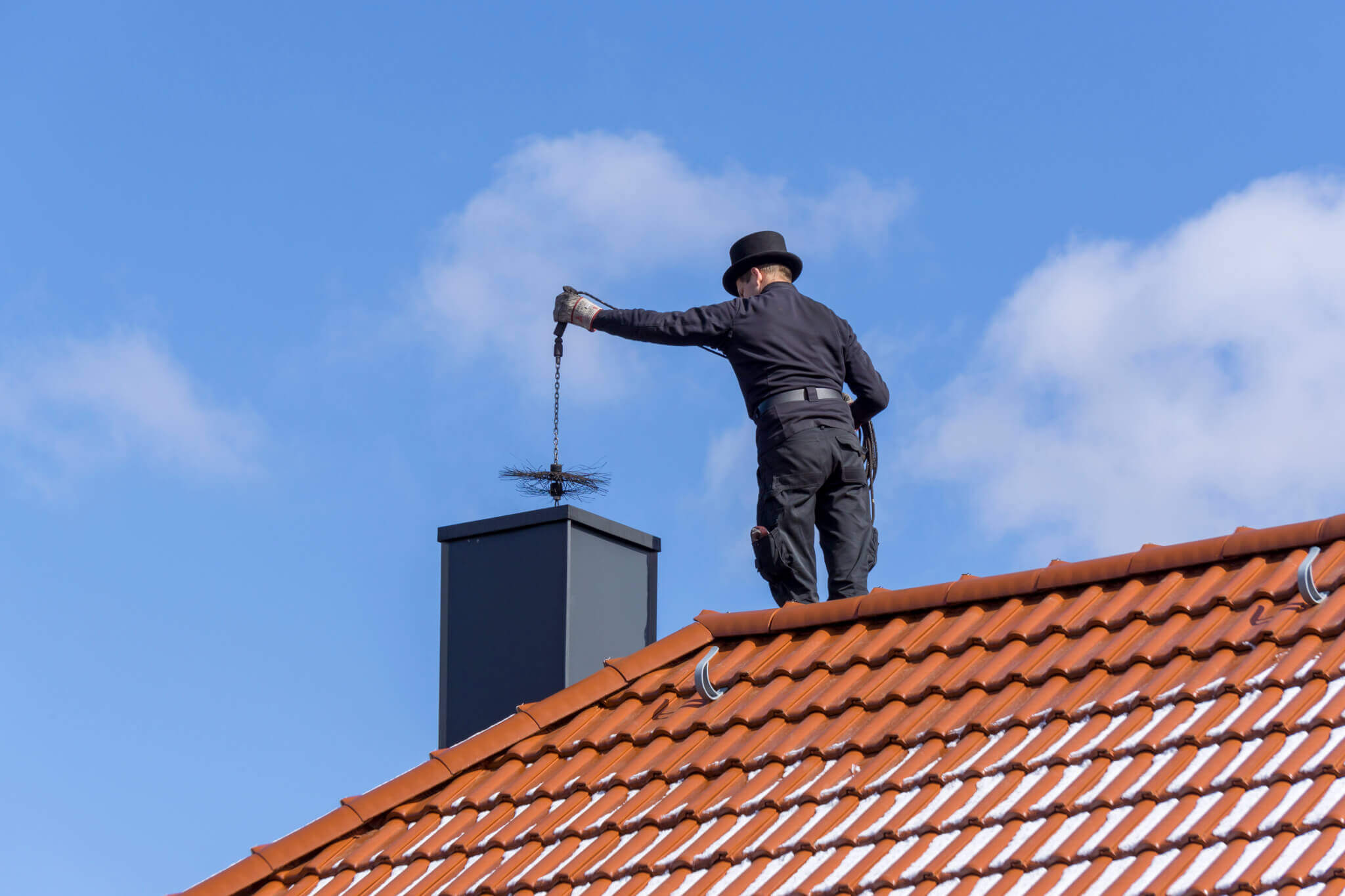
Are Chimney Sweeps Actually Lucky?
When it comes to lucky symbols and talismans, chimney sweeps are right up there with four-leaf clovers, horseshoes, and the number seven. Chimney sweeps have long been considered a symbol of good luck; shake a chimney sweep’s hand, and some might consider you the luckiest person alive. But why? What is it about chimney sweeps that makes them supposedly so lucky? Read on to learn more.
Roots in Folklore
King William and the Out-of-Control Carriage
In a tale from 1066, King William of Great Britain found himself directly in the path of an out-of-control, reckless carriage. Legend has it that a chimney sweep, alert and on the scene, pushed him out of the carriage’s path and saved his life. King William then invited the chimney sweep to his daughter’s wedding and declared that all chimney sweeps are good luck.
King George and the Frightened Horse
Centuries later in the 1700s, King George III was in a similar incident involving both a carriage and a chimney sweep (perhaps carriages are in fact unlucky?). While riding along, the King’s horse was frightened and the carriage jolted dangerously, almost tipping over. Luckily, a chimney sweep was standing nearby and steadied the carriage, sparing the King from a serious accident.
After this incident, King George added his own declaration that chimney sweeps are good luck. It is also rumored that he then bestowed on all chimney sweeps permission to wear tophats, making them the only working-class citizens who had this honor.
The Falling Chimney Sweep
In another legend, which surprisingly does not include a king or a carriage, a chimney sweep slipped and fell off of a roof. He was able to grab onto a gutter and hold on, be he was in deep trouble. A woman spotted him and pulled him inside to safety. After this, they fell deeply in love and later married.
Because of this story and King William’s story from 1066, you might want to consider having a chimney sweep at your wedding for good luck. Reportedly, Prince Philip even made sure to shake a chimney sweep’s hand before marrying Princess Elizabeth (Queen Elizabeth II) in 1947.
Are We Lucky? Come See!
You will have to decide for yourself whether chimney sweeps are a lucky charm. But, luck or no luck, hiring a chimney sweep bodes well for your safety at home. Our chimney sweeps are friendly and dedicated to keeping your chimney clean and safe. And who knows, maybe they’ll bring you some good luck!
The Dangers of a Cracked Chimney Flue
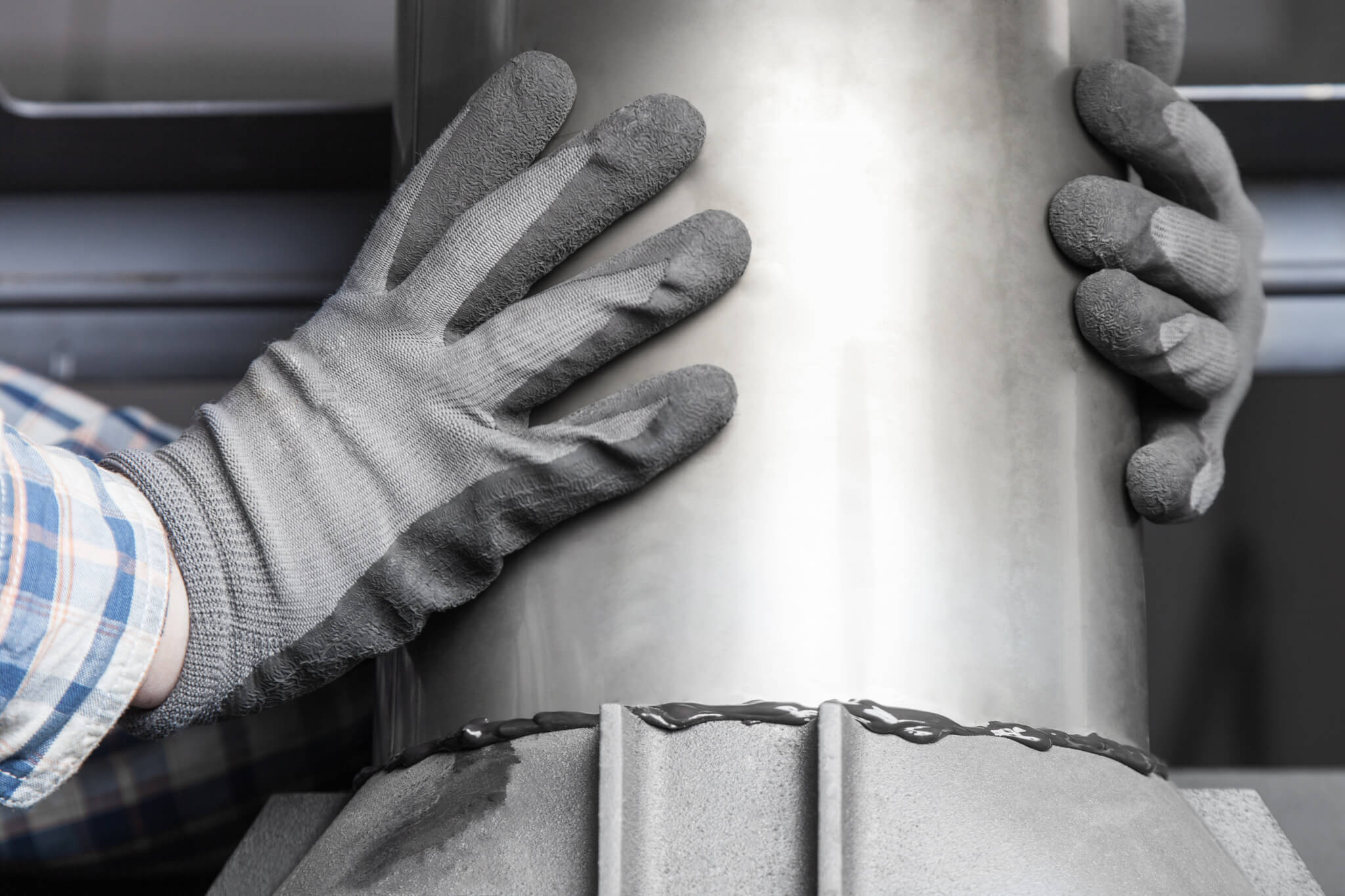
The chimney flue, also known as the chimney liner, serves several important functions, all of which influence the safety and overall performance of your chimney. Damage of any kind--cracks in particular--can present an urgent safety hazard, and you will need to repair it before you can use it again.
Why Is It Important to Clean Your Chimney?
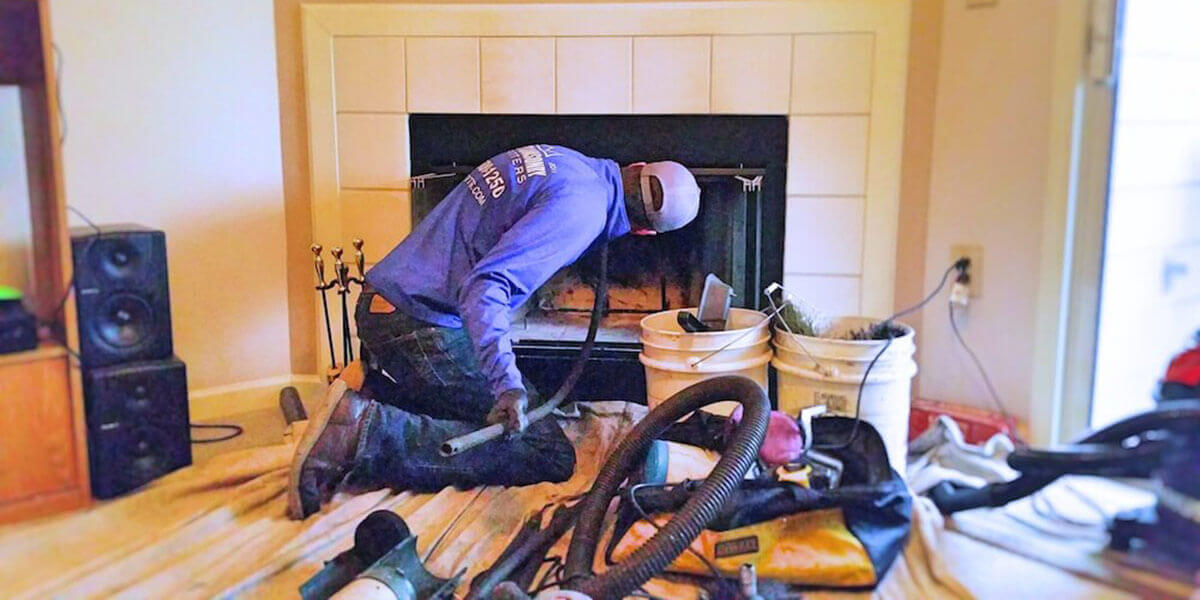
Although cozy evenings in front of your fireplace are irresistible, you need first to ensure that it’s safe. You do this by conducting regular chimney sweeps. A chimney sweep helps remove soot, built-up creosote, and other blockages.
According to a recent report by the National Fire Protection Association, the leading cause of home heating fires was failure to clean the chimney. It takes a surprisingly small amount of creosote to cause a chimney fire. Creosote is a highly flammable substance that builds up in the chimney due to burning wood.
7 Reasons to Sweep Your Chimney
Apart from preventing chimney fires, there are other reasons why you should sweep your chimney, including:
Removing obstructions and pests
Just like gutters, chimneys can also get clogged with debris and animal nests. Bats, birds, and squirrels like making their homes in chimneys, especially during summer and spring. If you light a fire when debris or an animal nest blocks the flue, you could spark a fire.
Keep in mind that building a big fire to burn away obstructions or smoke out the animals can be potentially dangerous and can even lead to a house fire. Instead, consider a certified chimney sweep to remove animals, debris, and nests.
Protecting your health
Whenever fuel is burned, carbon monoxide (CO) is produced. If the chimney is blocked when you start a fire, the smoke won’t escape completely. Instead, it will come back into the house and increase the chances of carbon monoxide poisoning. Even at low levels, carbon monoxide causes dizziness, headaches, confusion, nausea, and fainting.
According to the U.S. Department of Housing and Urban Development (HUD), carbon monoxide causes thousands of deaths every year in the US alone. This is why you should have your chimney inspected and swept to ensure that the flue is clear before you can use your chimney.
Discover structural problems or hidden damage
All components of your chimney, including the bricks, mortar, flue, damper system, and crown should be in good condition to shield your house from fire, carbon monoxide poisoning, and water damage. However, chimneys are exposed to severe weather, corrosive chemicals, and high temperatures. Therefore, they are prone to deteriorate or even get damaged. Most chimney problems aren’t easy to notice until the problem worsens and becomes more expensive. Without a professional chimney sweep and the right tools, it may be difficult for you to assess the condition of your chimney.
Prolong the life cycle of your flue liner
The first line of defense of your chimney against CO poisoning and house fires is the flue liner. It insulates the chimney from high temperatures and corrosive chemicals. It also prevents carbon monoxide and sparks from slipping into your house through cracks. However, because creosote and soot trap moisture that oxidizes the liner, their buildup can deteriorate the flue liners. Conducting a professional chimney sweep every year will help preserve the flue liner.
Meet your homeowner’s insurance requirements
Are you aware that your homeowner’s insurance requires that you conduct an annual inspection and chimney sweep? While this is a common requirement, most homeowners don’t know about it until it’s too late. Your homeowner’s insurance policy won’t cover your home for damage caused by a fire if you don’t have proof that you have conducted a professional chimney sweep and inspection.
Ensure that you take a look at your homeowner’s insurance and see whether it is a requirement. If it is, ensure that you get the right documentation after conducting a chimney sweep.
Improve efficiency
Whether you want to reduce the heating costs or you’re concerned about the environment, your stove or fireplace should remain efficient. When fuel is burnt efficiently, it creates less smoke and more heat. Therefore, you can maintain a good house temperature without necessarily overloading your fireplace. Additionally, the fire will produce less harmful emissions.
Prevent soot falls
Over time, by-products of coal and burning wood will rise and cling to the inside of the chimney. The soot may continue to gather until it falls. Apart from creating a mess, the soot may build up into creosote, which is very dangerous. Creosote may cause an internal chimney fire that may burn through the walls and into your home. Additionally, creosote contains harmful chemicals that aren’t safe to breathe.
Consult a Professional
Scheduling a chimney sweep will improve your stove or fireplace efficiency. A professional chimney sweep will remove barriers that may cut or limit the oxygen supply needed for a fire to burn well. Make it a habit to schedule a yearly chimney inspection and cleaning.
A regular chimney inspection can help you identify and fix problems before they become more serious. If you are looking for an experienced and CSIA-certified chimney sweep in the greater Indianapolis area, visit Brick + Ember Outfitters today or call 317-500-1250 to schedule your sweep.
Does Burning Aluminum Cans Clean Your Chimney?
If your home has a wood-burning fireplace, creosote will inevitably build up. Brick + Ember Outfitters has provided trusted, reliable chimney cleaning service to homeowners in Indianapolis, IN and across the U.S. since 2011.
Our customers trust us to educate, empower, and equip them with the tools they need to improve the value of their homes, whether that is through routine chimney and fireplace maintenance or by making necessary restorative repairs.
As a professional chimney sweep company, we know all the tricks to preventing or getting rid of creosote buildup in your chimney. This article will debunk one of these myths and provide you with safe solutions for preventing creosote from accumulating in your fireplace.
What is Creosote?
Creosote is the natural byproduct of wood that burns in a fireplace or wood-burning stove. Creosote can collect over time in the chimney flue which could eventually result in a devastating chimney fire. This is why it is important to perform regular maintenance on your chimney to remove creosote buildup.
Does Burning Aluminum Cans Help with Creosote?
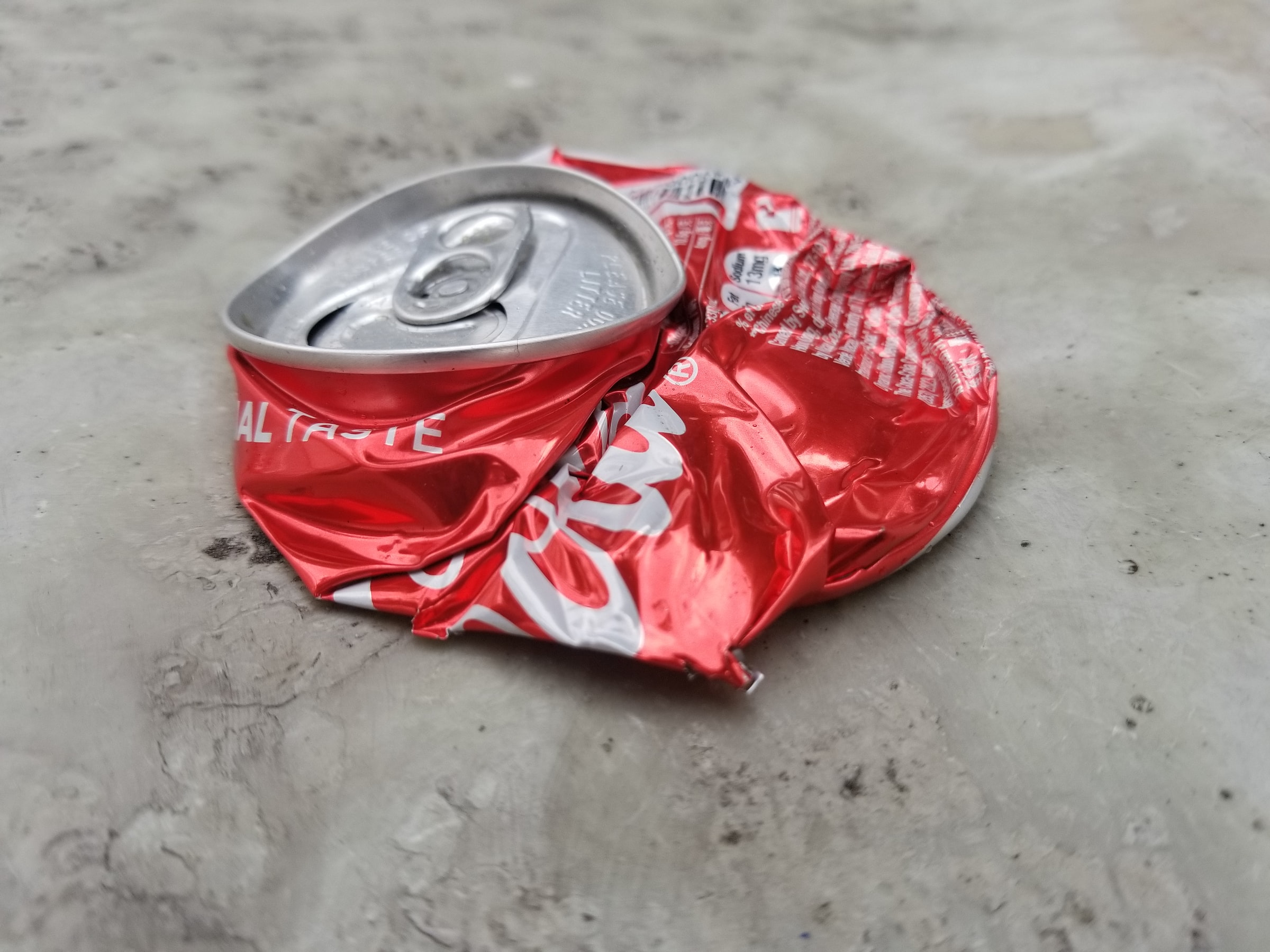
Many have claimed that burning aluminum cans is an effective technique to clean your chimney. Though there may have been cases where this method has worked slightly, nothing takes the place of actually cleaning out the chimney.
In fire tests conducted on aluminum materials, it was found that when fire temperatures exceed the melting point (which occurs at a range of 600-660°C), aluminum surfaces that are exposed to the fire can melt, but do not burn. Heating the cans causes an increase in heat in a chimney which can help prevent creosote from building up on a clean chimney. However, aluminum oxides are very stable and do not react to high temperature. This means that there will not be much of an impact on built-up creosote.
Our professionals at Brick + Ember Outfitters recommend that homeowners get their chimney system serviced at least once a year. A chimney sweep is vital to protecting the health and safety of your family and home.
How to Avoid Creosote Buildup in Your Fireplace Chimney
Use Efficient Burning Techniques
To help prevent creosote from building up in your fireplace, it is important to use efficient burning techniques. For example, burn small, hot fires using hardwood. This will reduce the amount of creosote that accumulates in your system, while also maximizing heat output. You should ensure that your fires are kept burning hot with flames, rather than smoldering, which can create an excessive amount of smoke.
You’ll also want to take care not to add too much firewood. Make sure that the top of the flames remain visible right below the opening of the fireplace. As a rule of thumb, it’s better to add smaller loads more frequently than to try cramming in too much wood in order to get a fire that will burn all day.
Once you’re ready to extinguish your fire, you should separate the logs by pushing them towards the side of the fireplace. You can also stand them on the end at the back of the fireplace. Once this is done, close the screen, but do not shut the damper until you are certain that the fire and coals have been put out completely.
Warm Your Flue Before Building Your Fire
Warming your flue before building your fire is important, especially if your chimney is made from metal or is located on an outside wall of your home. This is because it’s likely that your home will be colder when the temperature outside starts to drop during the winter season.
A simple way to do this is to roll up a piece of newspaper and light it, holding it under the damper until the air surrounding the area begins to warm up. Starting a fire in a cooler flue can cause poor combustion and lead to more creosote buildup in your system.
Cleaning Chimney Services in Indianapolis, IN
If you have an older fireplace with a vent inserted into a masonry chimney, it’s always best to contact a chimney professional like those at Brick + Ember Outfitters. We will conduct a full inspection of your flue to ensure that it is functioning properly. If a flue is too large, it can cause smoke to linger in the chimney for much longer than it should, creating excessive creosote buildup.
Contact Brick + Ember Outfitters to schedule your annual chimney inspection and cleaning. Proper service of your chimney is necessary to extend the life of your system. It is also an important measure to take to prevent a potential chimney fire from destroying your home.
Have additional questions you’d like to ask regarding our services? Give our team a call at 317-500-1250 to schedule a free consultation. You can also email us directly at office@brickandember.com or fill out our online contact form.
How Do You Know When Your Chimney Needs Sweeping?
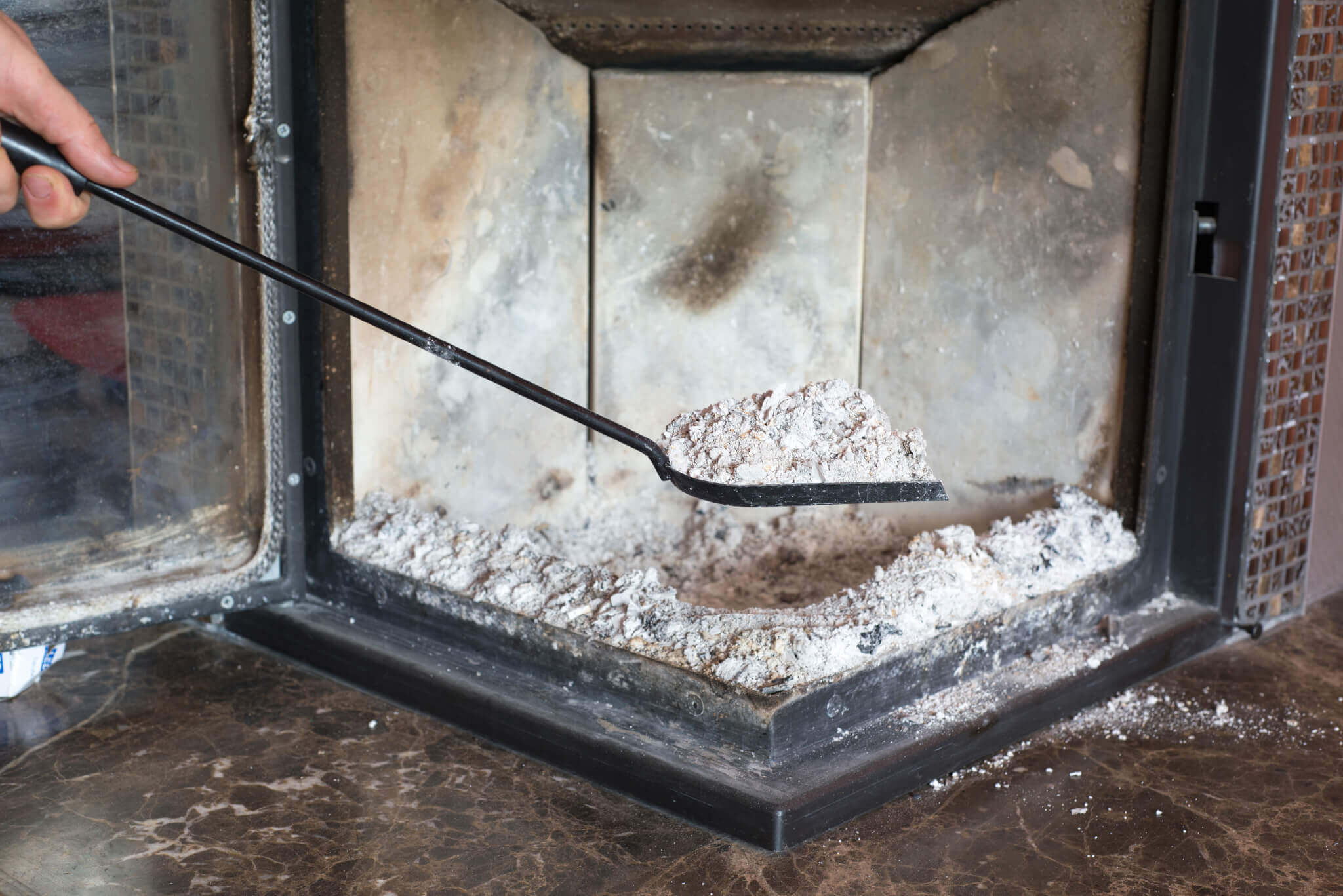
Most homeowners know that they need to check their chimney regularly for any safety hazards. But how do you really know when it’s time to have your chimney swept? Read on to learn how to look for signs that a chimney sweeping is needed.
Why Chimney Sweeping Is Important
Having your chimney swept regularly keeps your home safe and your fireplace functioning correctly. Regular chimney sweeping can also keep your chimney from long-term damage, such as water penetration or deterioration of the brick or stone.
But most of all, having your chimney swept keeps it clean. It clears away debris, keeps away critters, and removes any creosote that has built up on the walls. Having a clean chimney isn’t just about appearance or even functionality. Debris or creosote buildup can be very unsafe, causing fires or allowing carbon monoxide to enter your home.
Even if you don’t use your chimney regularly, it is a great hiding place for small creatures looking for a warm place to live. Having your chimney swept regularly is the way to make sure your chimney is functional and your home is safe.
What Happens When a Chimney is Swept
So what does it mean, exactly, to have your chimney swept? Chimney sweeping probably isn’t at the forefront of your everyday to-do list, so it might be a bit of a mystery as to what it means to have your chimney swept in the first place. But there’s no need to worry; having your chimney swept is actually quite simple. Chimney sweeps are professionals who use metal rods tipped with a brush-like object to clean your chimney.
These rods are used to scrape debris and buildup from the sides of your chimney. Then chimney sweeps will clear out your fireplace, removing the soot, debris, and buildup they scraped off of the walls. After this, your chimney will be fully swept and your home will be safe and free of chimney fire-hazards.
5 Signs Your Chimney Needs Sweeping
Professionals suggest that chimneys be swept at least once a year, but varying factors may cause your chimney to need a sweep even more frequently. If you’re wondering whether it’s time to hire a chimney sweep, looking for these signs is a good place to start.
1. Smoke builds up in your home when using the chimney.
In a properly functioning fireplace, smoke should immediately rise and exit through the chimney. If you notice any smoke in your home while using your fireplace, this means you have some sort of blockage in your chimney. A blockage could be from debris, creosote buildup, animal nests, or a malfunctioning damper. A chimney sweeping will remove the blockage and have your chimney back up and running in no time.
2. You notice creosote buildup in your chimney.
When wood burns, not all of it turns into ash. Creosote is the remaining fuel, and it sticks to chimney walls. Once enough creosote has built up in your chimney, it can become a serious fire hazard. Creosote is flammable, and if it’s covering your chimney walls it is a disaster waiting to happen.
To check for creosote, shine a flashlight up your chimney and look for dark, rough patches on the chimney walls. If the walls do not appear smooth, there is likely buildup and your chimney needs to be cleaned.
3. There is evidence of animals living in your chimney.
Chimneys are dark and sheltered, a perfect opportunity for any small critter looking for a place to call home. Of course, you probably don’t want to share your home with these creatures, and they probably don’t want the surprise of smoke and fire in their newly-made nest. If you hear scuttering or rustling in your chimney, or notice nests of leaves and branches, chances are you have some new friends that need to be relocated. Animals can cause blockages and other fire hazards, so you should call a professional if you suspect they might be occupying your chimney.
4. You have difficulty starting a fire.
Chimneys are designed to have the correct amount of airflow for a fire to start and be maintained safely. If you have difficulty starting a fire or keeping a fire going, this probably means there is a blockage in your chimney and you should contact a professional immediately.
5. Foul odors are coming from your chimney.
If foul odors are emanating from your chimney, this is a definite sign that it’s time for a sweep and inspection. When your chimney is not in use, it should not leave any odors. When a fire is burning, odors should be limited to the refreshing smell of a warm, crackling fire. Any other odors might indicate that there are toxic gases entering your home from your chimney. These typically come from creosote buildup and can be very dangerous. A chimney sweep will remove the buildup, eliminate odors, and keep your home safe from toxic gases.
Do any of these signs seem familiar? If so, it’s time to contact a chimney professional and have your chimney swept. Visit our website to learn about our chimney sweeping and inspection services!
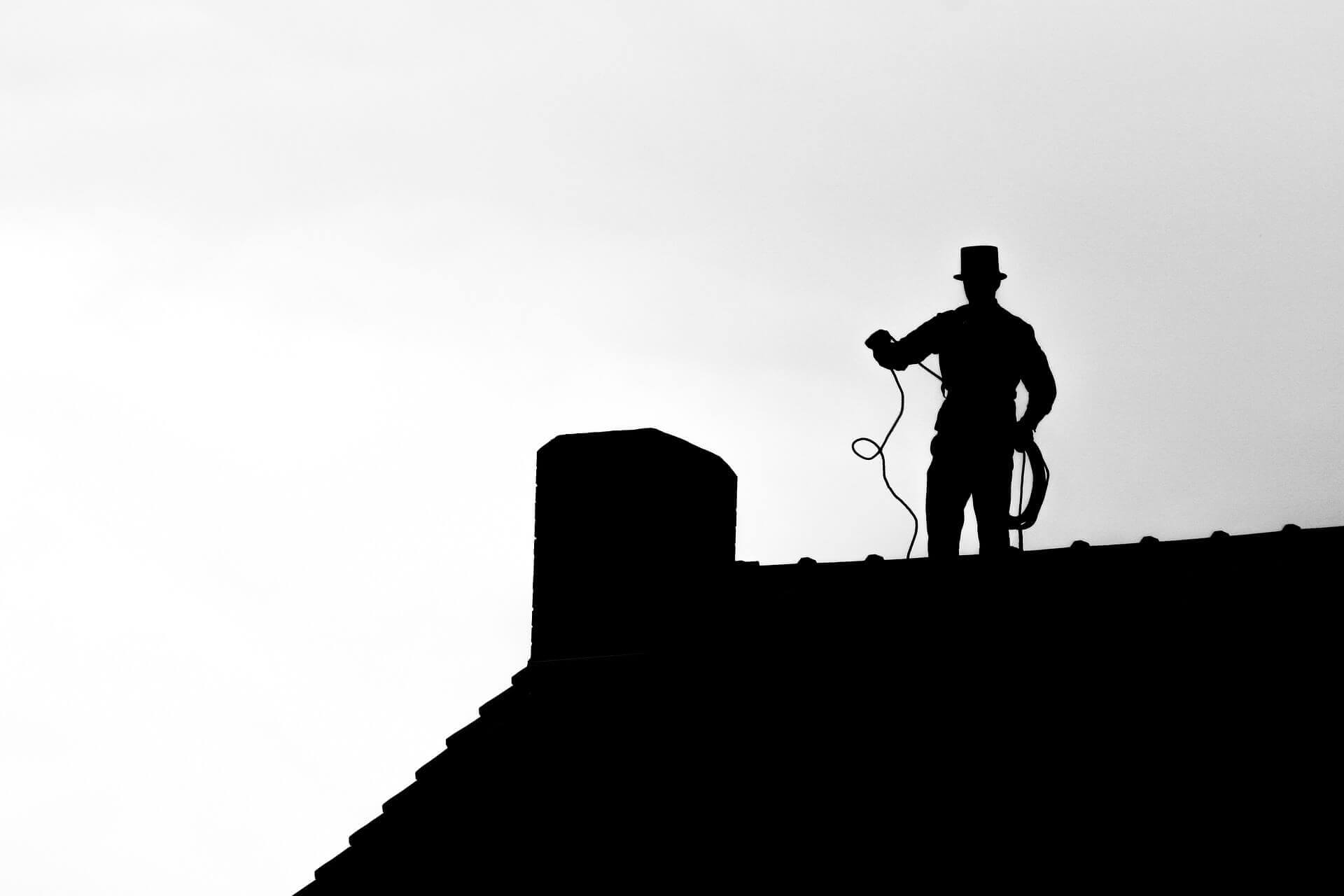
Why Did Chimney Sweeps Wear Top Hats?
When thinking of a chimney sweep, we instantly picture Mary Poppins’ right hand man, Bert. But before Bert and his well known cap, the chimney sweeps wore traditional black, a classic top hat, and maybe even tails.
Why dress up to clean up? There are many legends behind the reason chimney sweeps wear top hats. Although not as common anymore, the image persists.
History of the chimney
Back when cities started modernizing and urbanization was an ever-crawling phenomenon, the development of two-story homes changed the way we stayed warm forever. Specifically, the chimney was invented so that people could enjoy warm fires with inhaling all that smoke; the smoke to escape from the top of the building.
However, smoke turned out to be just one of a few concerns. People soon realized that the build-up of soot and creosote was causing dangerous chimney fires. The Great Fire of London in 1666 spurred some changes to chimney construction and keep-up. People made chimneys smaller, and the noble sweep helped maintain these chimneys.
But how were they to fit up these tight spaces in order to clear out the soot? Soon the practice of using children for the job was commonplace.
This is where our legends begin.
#1. Hand-me-downs
This story says that beginning in the 17th century, funeral directors would take pity on these poor children being forced to crawl up chimneys. To help raise both their status and their morale, they gave them the extra top hats that would have otherwise been disposed of.
#2. A gift from royalty
During the 1700s, King George was riding along on his horse when he came upon a barking dog. The horse was startled and would have kicked about dangerously if it wasn’t for a chimney sweep who grabbed the reins. Thankful for the help, the King claimed that sweeps would be considered lucky from then on, granting him the special privilege of wearing the symbol of the gentry: a top hat.
True or False?
Maybe one or both of these legends are true, maybe not. What we do know is that the hats were not only practical, helping brush soot off the walls of the chimneys, but they were also a source of pride and respect for the hard-working sweeps.
Today, sweeps are as hardworking as ever—and needed just as urgently! Remember to get your yearly chimney inspection with the help of Brick + Ember Outfitters in Indianapolis.