
How Long Does a Chimney Sweep Take?
Every flue is different, so it is hard to put a universal time on chimney sweeping. However, on average, a thorough cleaning should take about 45 minutes to an hour. This time can increase substantially if there is creosote present in your flue, if the flue is damaged in any way, or if there are blockages such as birds’ nests. If your chimney cleaning requires more time, it’s good to ask and understand why.
Even if you don’t use the fireplace in your home very often, it is still important to get your system serviced at least once or twice a year. Keeping your fireplace maintained on a regular basis not only gets rid of creosote and other harmful debris, but it also improves the overall air quality of your home.
Your chimney sweep will give important information regarding the health of your system and make recommendations about how to improve its performance. It’s always best to make your appointment before the autumn months begin. This will ensure that you can operate your fireplace worry-free as soon as the temperature gets chilly!
What to Expect
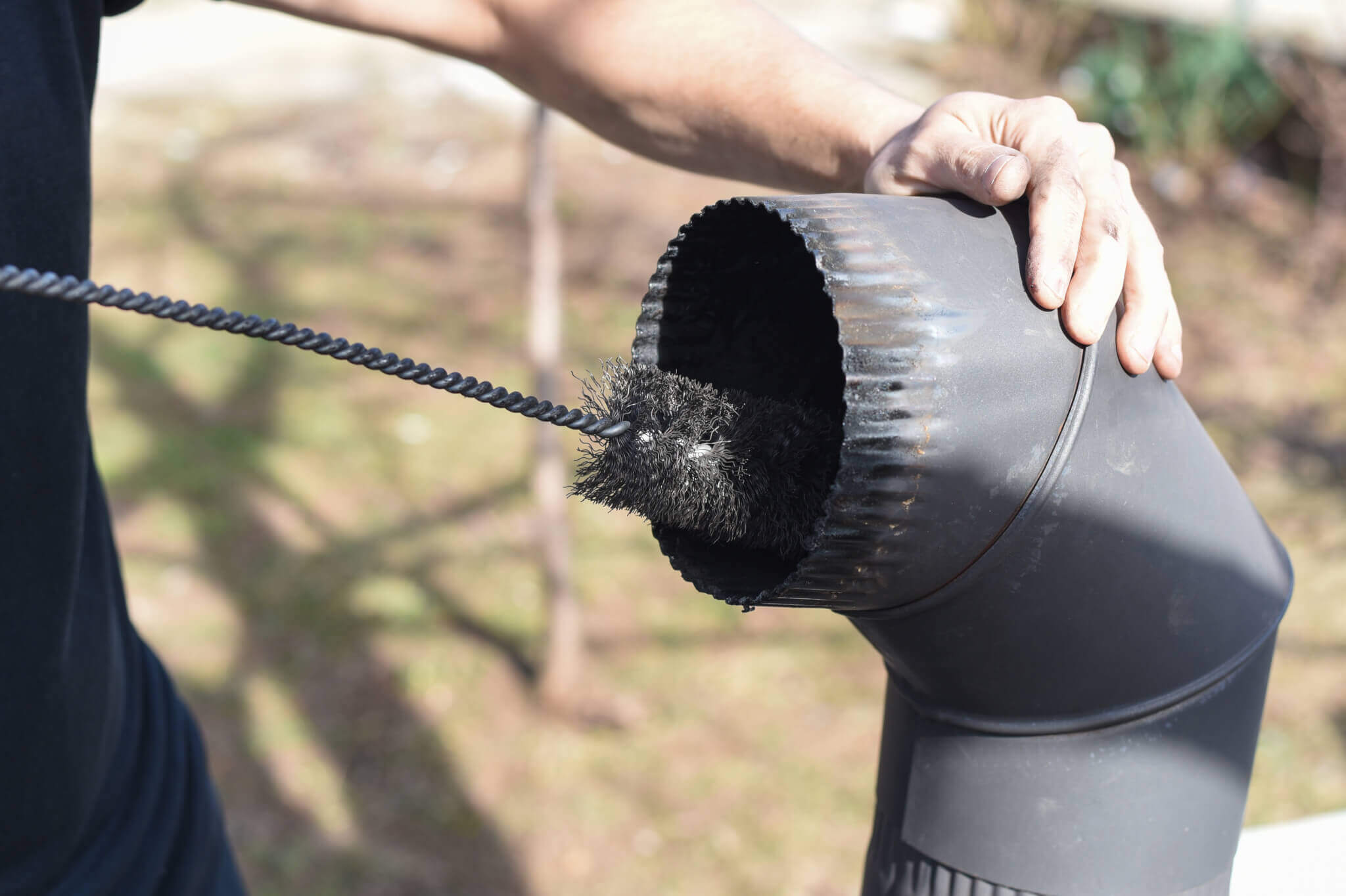
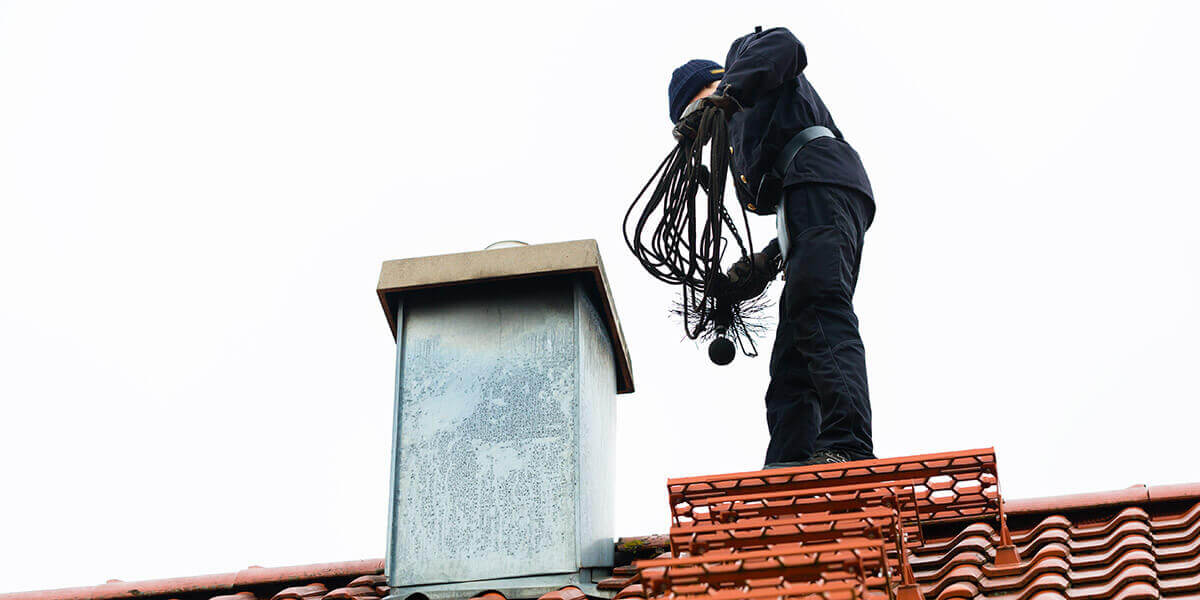
Your chimney sweep will use a long rod with heavy metal bristles around the tip to clear your chimney of debris, gunk, and creosote that may be clogging your system. He or she will lay down a drop cloth or sheets of plastic to help protect your home, and use a small vacuum to help remove dust and debris.
They may start by cleaning the flue and moving up the chimney, or they may start at the chimney and move their way down towards the flue. Your technician will focus on scraping away any buildup that has accumulated from fires over time.
How to Prepare for your Service
Before the technician arrives to service your fireplace, be sure to remove any furniture or other objects that may prevent your chimney sweep from easily accessing the area. Many companies may offer to perform an inspection to take place at the same time as the cleaning.
During the inspection, they will look for any signs of cracks or other damage to the structure. If it is determined that repair work is needed, or if additions like a chimney cap are installed, this can extend your overall cleaning time.
Ready to Hire a Fireplace and Chimney Specialist?
Schedule a chimney sweep today! Call 317-500-1250 to make your appointment and receive a free service quote.

Do Stainless Steel Chimney Liners Need Cleaned?
If you use your chimney often, you need to clean it frequently even if you have a chimney liner. The chimney liner is one of the most essential parts of your chimney. When you don’t clean it, soot, dust and dirt will accumulate, which can cause multiple problems. Although the chimney liner can provide your flue with extra protection, the buildup of water, creosote, and other contaminants can deteriorate the liner and make it unsafe to use.
Why You Should Clean Your Stainless Steel Chimney Liner
Contrary to popular belief, chimneys with liners require the same amount of cleaning as unlined chimneys. Some of the dangers of a dirty stainless steel chimney include:
Carbon monoxide poisoning
According to NCBI, carbon monoxide is on the rise, and it mainly originates from heating systems that are poorly ventilated due to dirty chimneys.
Creosote buildup
If you use wood as your main source of fire, then most likely your chimney contains creosote. Creosote occurs naturally in the wood-burning process as a by-product of combustion. Creosote is highly combustible, and buildup may cause a fire.
Why is a Chimney Liner Important?
Although chimney liners are an important part of the chimney, most homeowners aren’t aware of them. This is mostly because they can last for a very long time – over 50 years. Some of the benefits of a stainless steel chimney liner include:
Protect your home from fires
The most crucial function of a stainless steel chimney liner is to prevent the risk of a home fire. Although chimneys are designed with materials that can’t easily catch fire, they are attached to your home. This means that combustible framing next to the chimney can easily ignite. The stainless steel chimney liners regulate heat transfer and prevent fire hazards.
Protects your masonry
While you may think that bricks are strong and solid, they are quite porous. Therefore, when you have an active flame, the combustion releases a variety of corrosive by-products. Over time, the corrosion may eat away the mortar and encourage rapid heat transfer to other combustibles. Such a case can cause dangerous problems like hazardous carbon monoxide leaking into your house.
Sizes the flue
Modern stoves and fireplaces are designed with a specific flue size. However, homes that were not designed by a certified chimney sweep may have a tall or wide chimney that may not vent the fire adequately. Ensure that you get a new liner installed by a professional.
A Chimney Inspection is Important!
Water, gases, soot, unburned particles, and creosote exit through the chimney liner. Maintaining your stainless steel chimney liner will increase its lifespan, and provide the best airflow. Ensure that you have your chimney liner checked by a CSIA-certified professional from Brick + Ember Outfitters at https://www.brickandember.com/.
Do I Need My Chimney Cleaned?
A chimney clean, more commonly known as a chimney sweep, removes the creosote or other buildup in a chimney’s flue to prevent hazardous fires and to aid in the efficiency of your chimney’s function. While the description might call up imagery of Victorian England rather than Indianapolis, Indiana, keeping your chimney clean is as important now as it’s ever been.
What We Can Do for You
Chimney cleaning is what we do, and we take great pride in it. We ensure that you can enjoy safe, cozy fires in your fireplace/chimney all winter long. Our goal is to bring you peace of mind in your own home.
If you don’t use your chimney frequently, you might be inclined to forget about your chimney altogether. Why clean something that you rarely use? Even if you don’t enjoy sitting around your fireplace, cleaning the chimney can reduce the risk of flue fires and make your air safer by improving carbon monoxide ventilation.
Beyond that, we all know that there’s plenty of wildlife living in the Indianapolis area, and plenty of those critters would love the chance to make a home in your unused chimney. To make sure you aren’t hosting a family of squirrels, raccoons, or others, it’s important to clean your chimney at least once per year.
We Are Certified
It is of great importance to ensure that your Chimney Sweep is certified by the Chimney Safety Institute of America (CSIA), proficient in industry regulated cleaning standards and proper inspection practices of your chimney. When you have your chimney cleaned, you want to be certain that it’s done right.
The sweeps at Brick + Ember Outfitters are all certified by the
CSIA and are prepared to address any chimney-related concerns which may arise during an assessment of your chimney or fireplace. Feel free to reach out to our professional cleaning team with any questions or concerns you might have.
When to Call Us?
Industry professionals do recommend a chimney be swept and inspected, at
least once, annually. The safety and functionality of your chimney is
extremely relevant and important to the safety of your home and family. You can keep your house safer from fires and carbon monoxide, as well as animal-free, by calling in our services just once a year.
6 Common Signs You Need a Masonry Repair Expert
While masonry is a stunning feature of your home or business, the wear and tear from Indianapolis weather can take its toll. Natural changes like soil shifting and settling can severely damage your masonry foundation. Given the intense Indianapolis seasons, you should carefully monitor the masonry on your home or business. Masonry and brick that are poorly maintained are likely to suffer even more costly damage that could permanently affect your home. Dealing with any brick or stone masonry issues early will prevent larger problems from taking hold. We’ve created a guide for determining when you need to consult a masonry repair expert.
Signs You Need Masonry Repairs
Deteriorated or Missing Mortar
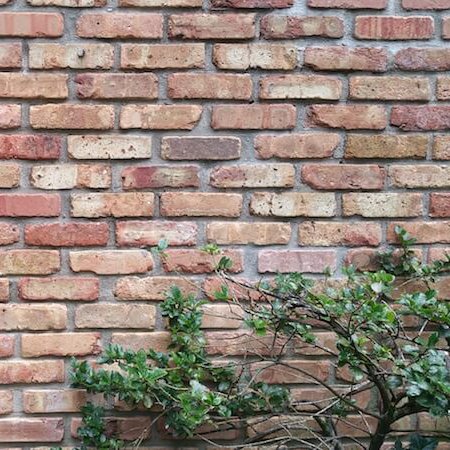
Most brick or stone masonry walls require repointing every 15-20 years, and other factors may lead to earlier repair. When mortar deteriorates or buckles, it can be incredibly detrimental to the masonry structure. Bricks without sufficient mortar may rub against each other and warp. However, mortar repair is not an at-home project. Using the incorrect mortar or faulty application will lead to earlier wear and more problems. Only trust an experienced masonry contractor with mortar repair.
Frost Boil
Frost boil, or bulging bricks, occurs when moisture seeps behind your brick masonry and disrupts the backing. This pushes or pulls the bricks causing them to bulge. Frost boil is a common occurrence in areas, like Indianapolis, that have freeze-thaw cycles. To resolve this issue, masonry contractors will need to remove any affected bricks, repair the underlying damage, and lay new bricks.
Bowed Bricks
Compacted bricks are altered from their original shape. Cracked or bowed bricks let water enter and damage your home. Many times, one compacted brick is a sign that there will be many others. To solve this issue, a masonry contractor needs to replace all affected areas and may need to add push piers to your foundation.
Interior Damage
Damaged masonry may lead to issues within your home. If you spot moisture buildup on your walls, feel drafts, or see deformed windows and plaster cracks, you may need a masonry repair.
Cracked Bricks
Cracks in brick and stone occur naturally over time. However, cracks at an angle greater than 30º threaten to collapse your masonry structure. Even bricks that are not likely to allow a collapse still affect your masonry. Consult a masonry expert to fill any cracks in order to prevent water from leaking through the cracks or freezing in them during the harsh Indianapolis winter.
Causes of Masonry Damage
Understanding the causes of masonry damage is important for prevention. When possible, you should address the potential causes of masonry damage to help preserve your masonry. Some of the most common causes of masonry damage that may affect your Indianapolis home or business include:
- Vegetation: Vegetation growth can cause immense damage to your brick or stone masonry. Once vegetation is detected as a threat, it should be removed immediately. Make sure to eliminate the roots to prevent regrowth.
- Freeze and Thaw Cycles: The four seasons in Indianapolis are spectacular, but may wear on your masonry. During the warm, wet seasons water may get into any small cracks in your masonry. The cold winters freeze this water which causes it to expand and leave more damage. Make sure to monitor your masonry at the start of each season to assess any effects of freezing and thawing.
- Lack of Maintenance: With so many other responsibilities and concerns, homeowners often forget about masonry maintenance. Annual inspections from a masonry repair expert and timely repair of any small issues preserve the integrity and beauty of your masonry structures.
- Incorrect repairs: Poorly executed repairs of load-bearing or retaining walls can lead to disastrous outcomes. Masonry repair is not a DIY project. Only an experienced mason should perform repairs on your masonry. If you experience any signs of masonry damage, consult a masonry repair expert.
Brick + Ember Outfitters is Your Indianapolis Masonry Repair Expert
Brick + Ember Outfitters has the experience and knowledge to solve all of your masonry repairs. Our experts will evaluate your masonry structures and perform any necessary repairs to keep your masonry operating and looking its best. Preserving your masonry while offering outstanding customer service is our priority. Our masonry contractors have the expertise to handle any of your masonry repairs. Our full list of masonry services for your home or business includes:
- Brick Restoration
- Brick Contractors
- Tuck Pointing
- Cracked Brick Repair
- Patio
Stay on top of your masonry maintenance and repair to prevent long-term damage. Trust Brick + Ember Outfitters to always do an excellent job of taking care of your masonry. If you are experiencing any symptoms of masonry damage, it is time to consult the masonry repair experts at B+E. Just give us a call at 615-645-3545, send an email to office@brickandember.com, or visit our website HERE to set up a masonry inspection. To learn more about masonry, chimney, and fireplace care, visit our blog.
What to Look for in a Chimney Inspection
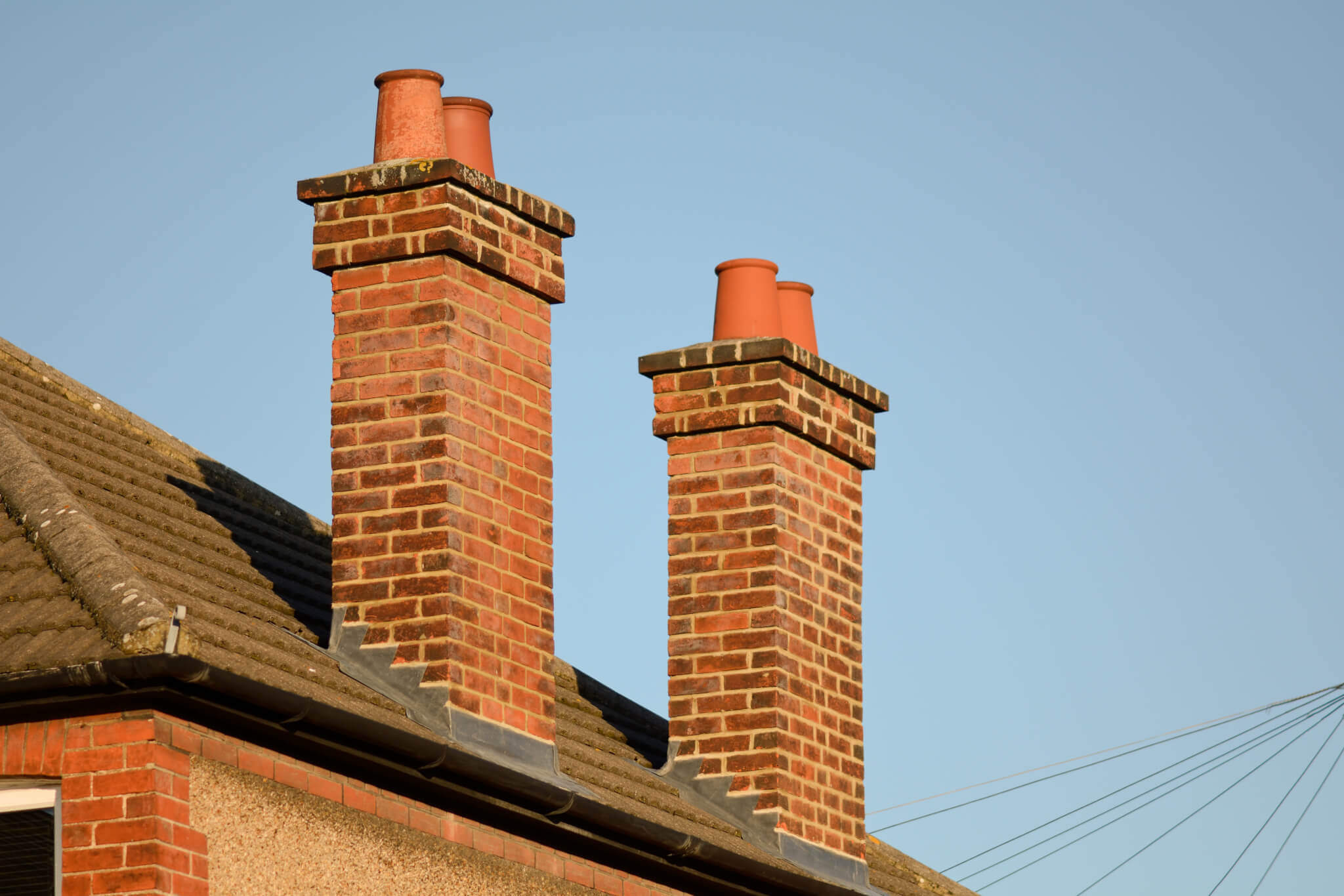
Chimney inspection is a key part of keeping your home safe and sound. Damaged chimneys can lead to moisture and mold issues, exposure to carbon monoxide, risk of fire, and structural damage to your home. This may sound frightening, but fortunately, performing a regular chimney inspection will make it possible to repair damages and avoid these risks.
Performing Your Own Inspection
It is possible to perform your own chimney inspection in order to assess whether you need to hire a professional. It is recommended that your chimney is inspected once or twice a year, and if you feel confident about doing it yourself this is a great way to save some money. It is important that you are thorough and informed about what to look for during your inspection, so be sure to read on for tips on how to move forward.
Exterior
The first thing that probably comes to mind when thinking about inspecting your chimney is the exterior appearance. The exterior can suffer various types of damage over time, and is fairly easy to inspect. When performing your own chimney inspection, do the following:
- Remove moss, vines, and other growth
- Look for cracks or gaps in the mortar
- Notice whether the chimney is straight
- Look for rust or damage to caps/chase covers
If the outside of your chimney is in poor condition, it can lead to structural or water damage. Concerned about the condition of your chimney? Consider a restoration or rebuild.
Interior
Damage to the interior of your chimney is less obvious, but can be more dangerous in many ways. Interior damage can lead to house fires, dangerous fumes, or moisture issues. Below are key points for inspecting the interior of your chimney:
- Shine a strong flashlight on the interior of the chimney
- Check that the walls of the firebox are sound
- Look for debris (leaves, birds' nests, etc.)
- Notice whether the walls of the smoke chamber are smooth
If you notice any signs of cracks, roughness, or debris, consult a professional for advice and cleaning. Build-up in the chimney makes it unsafe to use, and probably means you need a chimney sweep or smoke chamber parging.
Hiring a Professional
If don’t feel comfortable inspecting your own chimney, our Outfitters are here to help. We offer all three levels of chimney inspection recommended by the Chimney Safety Institute of America, which include:
- Level 1: Routine assessment of healthy chimney
- Level 2: Assessment of chimney with suspected damage
- Level 3: Assessment of chimney with extensive or obvious damage
After having your chimney inspected, you may find you need to hire a professional to repair damages. Brick + Ember Outfitters Indianapolis offers the services mentioned above and many more, and we are here to keep your chimney safe and usable. To learn more about our services, give us a call at 317-500-1250, email us at office@brickandember.com, or submit a form on our website!
How Often Do I Need a Chimney Sweep?
The chimney is an important safety feature for your home. The chimney serves as an exhaust for the fireplace or wood-burning furnace of your home. Chimneys that are clogged with built-up soot will be less efficient, and potentially hazardous. Inefficient chimneys impact the burn of your fireplace and the flow of carbon monoxide from your home. When you burn wood, a tar-like substance called creosote is left behind. Creosote is flammable, so when it is left on the inside of your chimney it can lead to a chimney flue-fire which could reach the structural components of your home. To keep your chimney operating at maximum efficiency and prevent flue-fires, it is important to regularly get a chimney cleaning service like a chimney sweep.
Even if you do not use your fireplace, an annual sweep and inspection are crucial for your chimney. According to the National Fire Protection Association, “Chimneys, fireplaces, and vents shall be inspected at least once a year for soundness, freedom from deposits, and correct clearances. Cleaning, maintenance, and repairs shall be done if necessary.” Yearly chimney sweep and inspection are necessary for keeping your chimney in good working order and catching any issues requiring repair.
However, if you frequently use your chimney you may need more frequent chimney services. The CSIA (Chimney Safety Institute of America) recommends that fireplaces should be cleaned when 1/8″ of sooty buildup is present inside the chimney and flue system. If there is any glaze in the flue, cleaning should be done even if there is less than 1/8″ of build-up. Heavy fireplace use may require you to get a chimney sweep more than once a year. Always check and monitor your chimney for signs of soot buildup, and always consult a professional if you are unsure.
Indianapolis’s Best Chimney Services
For chimney cleaning and other chimney services in the middle Indiana area, trust Brick + Ember Outfitters. Certified by the Chimney Safety Institute of America, we have been rigorously tested and approved to handle chimney sweeps and inspections. Our dedicated team strictly adheres to industry regulations and safety standards. With our experience and commitment to restoring or preserving the beauty of your chimney or masonry, Brick + Ember Outfitters is your trusted partner for homeowners in the Indianapolis Indiana area.
Schedule your annual chimney sweep today. Just give us a call at (615) 645-3545, send an email to OFFICE@BRICKANDEMBER.COM, or click HERE.
Why Is My Chimney Pulling Away from My House?
If your chimney is starting to tilt to one side, you might just shake it off and tell yourself that it is simply an illusion. Do not ignore your gut; a leaning chimney is not only more common than you think, but it can also be dangerous in many ways. The best thing you can do is get a chimney repair.
If you live in the middle Indiana area and believe that your chimney may be pulling away from the roof, Indianapolis Brick + Ember Outfitters (B+E) has the chimney service experts to call. Don’t waste another minute!
The Signs
If there is a gap in between the chimney and the roof, this is obviously a sign that the chimney pulling away and leaning off kilter. However, other signs and repercussions may include:
- Leaks of rain and snow caused from displaced flashing
- Intrusion of fumes and insects inside the home
- Falling bricks and mortar
These are all highly dangerous to the structure of your home. Although you might believe that mortar or caulk will adequately patch up the holes, you unfortunately will likely need a more extensive repair.
One way to check for leaning yourself is to peek into your attic to see if the chimney is centered in its framed opening. You can also use a long level on the outside to determine whether the chimney is vertical and the mortar joints are horizontal. Some chimneys are meant to be tilted, so rely on your measurements—not just what you see.
The Causes
Because chimneys are so compact and heavy, they must be constructed on what is called a concrete footing, or a chimney pad.
A common cause of a leaning chimney is footing that is made too small for the chimney or that has deteriorated. Expansion and contraction, which may happen when the weather changes, also results in instability.
Repairing your chimney
Brackets, claps, and systems of underpinnings and helical piers are used to straighten and support the chimney. This can only be done by a professional chimney sweep; never try to fix this on your own!
Because it can be difficult to spot a tilting chimney, get an annual chimney cleaning and inspection. Once detected, problems can be addressed before they become more severe and costly down the road. B+E of the Indianapolis area has the knowledge and tools to get the job done!
Chimney Sweeping Logs
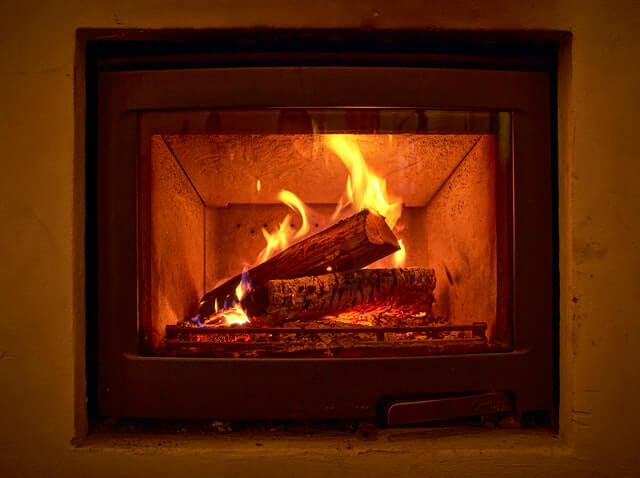
Even in Indianapolis, Indiana, temperatures can get low. Unfortunately, a cozy wood burning fireplace is always going to be hazardous; every time wood combusts, it creates a flammable substance called creosote.
One new popular solution is to buy a product called a Chimney Sweeping Log. Many homeowners believe that this eliminates all creosote and is a substitute for a regular chimney inspection and sweeping.
This is simply not true. Although purchasing a Chimney Sweeping Log is a great option for those who use their fireplaces frequently, Brick + Ember Outfitters of Indianapolis can share why the correct chimney care involves a regular annual inspection.
Creosote
Creosote is a thick, sticky, and flammable substance made of tar, produced when wood is combusted. It builds up and stick to the inside of your chimney. It is difficult to remove and requires the tools and expertise of a chimney sweep.
Creosote also builds up in the bends of the flue, causes blockages, and affects venting. The last thing you want is for gas and smoke to billow back into your home.
How do chimney sweeping logs work?
The logs are made from a mixture of additives that will attach to creosote in your chimney when burned. Over the course of a week, a chemical reaction ensues: the creosote will become less thick, more brittle, and less flammable.
The texture of the creosote turns into a powder that falls off the walls of the chimney. When at the bottom of the fireplace, it is easier to remove.
Using your log
A log will burn for 1-1½ hours. Because it takes about one week for the chemical reaction to be completed, you should wait a week before using the product again. To help disperse the brittle creosote debris, burn regular wood fires in between.
Why is a chimney inspection is still necessary?
Sure, a Chimney Sweeping Log will help quell the dangers of creosote for a while. However, having a chimney sweep care for your chimney is the only way to cross the finish line. While the more brittle substance makes it easier for a sweep to get rid of the creosote, a log in no way will eliminate all the creosote present and stuck to the lining.
Additionally, you cannot substitute a log for the kinds of inspections that a chimney service provides: Are there cracks and breaks in the structure? Are animals or debris blocking the passageway?
Serving the middle Indiana area, Brick + Ember Outfitters of Indianapolis can perform a chimney cleaning that will guarantee your family’s safety and comfort!
The Ins and Outs of Front Porch Brick Repair
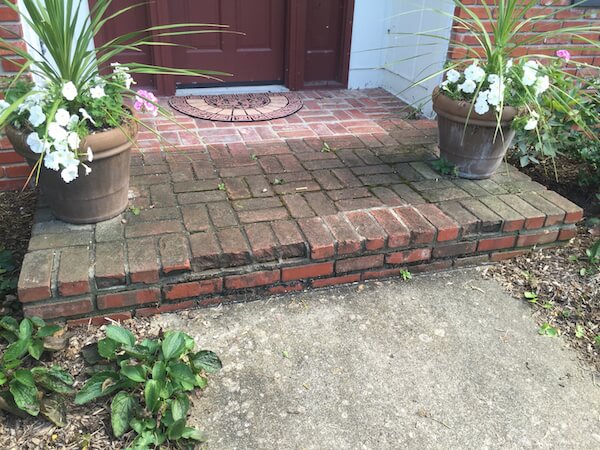
Whenever people visit your home, they are likely going to see your front porch before anything else first. It’s where you meet and greet and people form their first impressions of your home.
When your porch is in good working order, this is perfectly fine. When it’s in disrepair, it’s not only an eyesore, but it can make for a poor impression, making even the newest of homes seem unkempt and run-down.
Don’t you think it’s about time to fix that?
Here’s what you need to know about repairing the brick on your front porch.
Removing the Bricks
There isn’t anything wrong with wanting to repair the damage on your own. If you want to do that, the first thing you’re going to need to do is remove the loose brick.
Depending on the sturdiness of the brick and the overall condition of the porch, you may only need to use a pry bar.
Is the Structure Compromised?
What you see is not always what you get. Just because an issue seems cosmetic, doesn’t mean that it’s the only thing wrong. Just to be sure, you should see if the damage extends to the structure itself.
Does it extend far beyond the brick, into the cement? Does it affect a support wall, or other important structure? If so, you may want to bring in the professionals if you feel out of your depth.
If the damage hasn’t compromised the structure of your patio, home, or both, continue to remove the loose bricks, removing the old mortar and placing them aside for later use.
An Ounce of Prevention is Worth a Ton of Cure
As with all things, you’re going to want to take precautions so that you don’t end up having to redo your own hard work.
For one, new bricks tend to suck up a lot of moisture from the ground. We recommend digging a two-foot trench and filling it with crushed stones to prevent this. It’s also really important to have a secure connection to your support wall, so every few feet, make sure to nail a metal brick tie to it.
With this in mind, you should be ready to start reinstalling your old brick. Just start at the ledge in the support wall, and when you get a tie, bend up the end and rest the brick on the top. Cover it up with mortar, and then it’s on to the next one!
If All Else Fails, Bring in the Cavalry
Don’t be ashamed if things don’t go according to plan, though. We all have bad days, and sometimes a job is too big for one person.
If you are feeling out of your depth, or just don’t want to bother with doing it yourself, give Brick + Ember Outfitters a call. Not only will we look at and assess the damage, but give you a free quote.
What is Creosote? How Does a Chimney Sweep Prevent It from Causing a Chimney Fire?
When discussing chimney care, it is likely you will hear the words “dangerous” and “creosote." But what is creosote? Our chimney sweeps can help educate you on what creosote is, as well as give a proper chimney inspection and sweeping to keep any danger out of your home.
What is it?
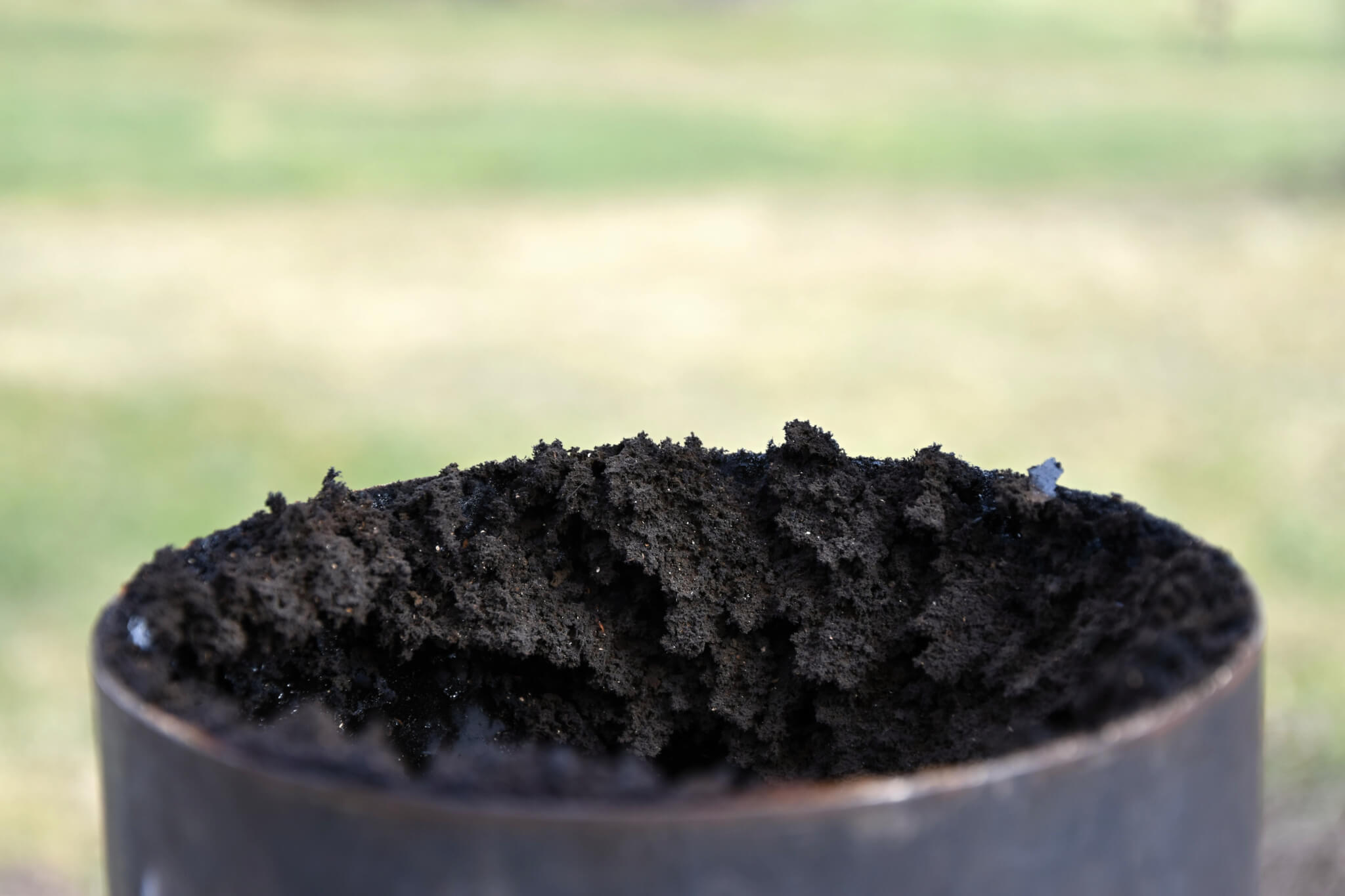
Creosote is a byproduct of wood combustion and is composed of tar. When you burn wood, creosote is made.
Creosote is flammable and attaches to the bricks or chimney liner of a fireplace. While a thin layer at first, it multiplies upon itself until it is coating the inside of the chimney.
The dangers
When a fireplace is used frequently and an inspection is neglected, the passageway of the chimney gets narrower in an endless cycle of creosote growth.
Thick layers may catch sparks and a chimney fire begins. It can spread to the roof and surrounding trees or—in the most dangerous situation—spread inside to start a house fire.
Furthermore, a creosote buildup can cause a chimney blockage. There is then a risk of smoke and carbon monoxide billowing back into the home.
The 3 stages of creosote
Stage 1: The creosote is quite thin, flaky, and made of soot. This results during the good combustion of an open fireplace with high temperatures and an open ventilation system.
One of our chimney sweeps will be able to easily brush the material away.
Stage 2: The flakes are thicker with tar. It builds up when wood is burned in a more restricted area, such as in a wood stove or fireplace with glass doors.
Chemical solvents and rotary loops may be necessary.
Stage 3: This is the worst buildup. The tar is sticky and oily. Bad or incomplete combustion, as well as low temperatures, will cause this.
The normal methods will not get rid of this highly concentrated material. The chimney liner may need to be removed or replaced.
Chimney safety
We are dedicated to keeping your family safe. We not only understand the dangers of chimney fires, but we also know that as creosote builds up, the potential cost of chimney repair and replacement increases. Let us catch it before it becomes an issue!
Any degree of creosote is flammable and should be removed. We recommend scheduling an inspection and sweeping annually. One of our certified chimney sweeps will always be available!
If you have any questions or concerns, we are happy to address them. Contact B+E today at 1-317-500-1250 or visit https://www.brickandember.com.