
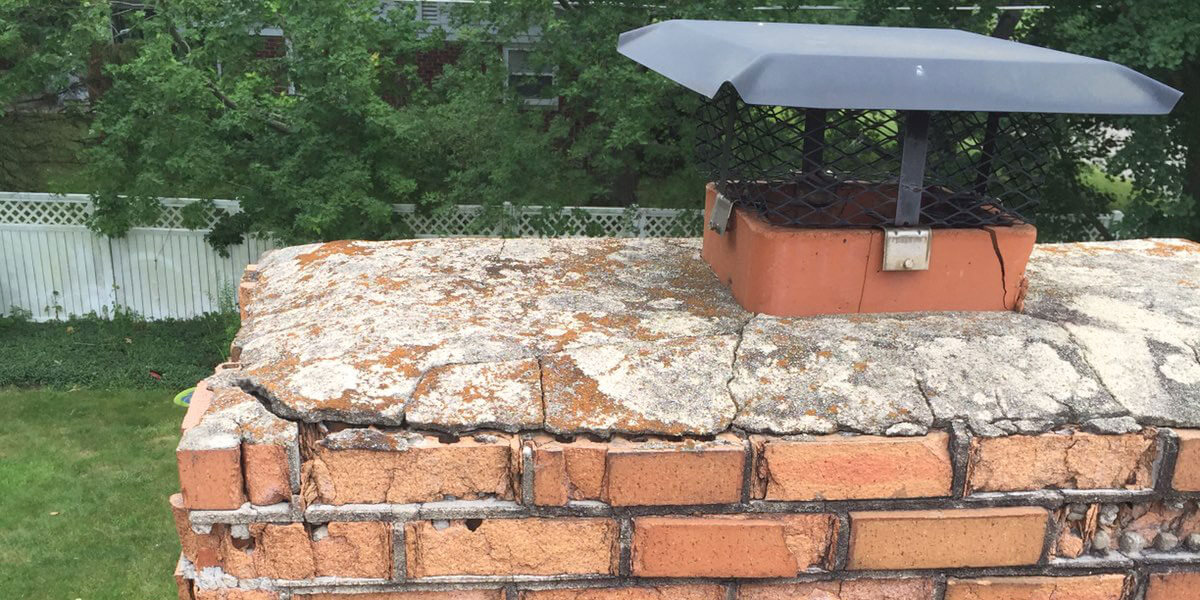
Five Signs Your Old Chimney Needs Repairs
As part of your home’s structure, a damaged chimney could lead to some serious and costly problems if chimney repair is neglected. Chimney problems are not always detectable to the untrained eye, but below we have outlined some specific signs you can look for in terms of chimney repair needs that will help you know if it’s time to call the professionals.
- Rusty Firebox or Damper
Rust in the firebox or a rusted damper indicates that moisture has infiltrated deeper into the chimney. If you notice rusting, there is underlying deterioration that needs to be repaired right away. A cracked or deteriorated flue lining is highly dangerous, as it could allow too much heat into vulnerable areas and cause a house fire. During a routine chimney sweep, your local professional will be able to properly examine the condition of your firebox and damper to make sure the level of rust isn’t nearing anything that could cause you to burn in unsafe conditions. - Damaged Mortar Joints
Mortar joints are something that can be picked up on easily when your annual chimney cleaning is performed. If the mortar joints are cracked or in bad condition, moisture will gradually lead to the whole chimney deteriorating and a cause for a more significant chimney repair project. When water gets into small cracks in the masonry, they can turn into large cracks, particularly as a result of more severe during winter snows when the bricks go through repeated freezing and thawing. The structure can eventually collapse if you don’t plan for any chimney repairs.If you notice the mortar is breaking or if the bricks themselves are crumbling, call for fireplace and chimney repair help. You wouldn’t want that structural integrity of your chimney to be compromised. - Damaged Chimney Crown
The chimney crown serves as the first line of defense against outdoor elements and protects the structure from harsh weather and moisture. If the material is cracking, water can penetrate and lead to severe breakage. Moisture can also move into the chimney and liner which causes significant damage, including larger cracks. It is highly important for the crown to be in good condition, as a damaged chimney crown allows moisture to seep between the chimney and the liner as well as into the chimney. - Flue Damage
The condition of the flue liner in your chimney is a critical safety issue. One of the most important reasons chimney experts recommend annual chimney cleaning and inspections is to ensure that the liner is doing the job of protecting combustibles from extremely hot temperatures. Well-built chimneys that aren’t subjected to excess amounts of moisture are highly durable on the exterior. There are, however, many different factors that frequently cause the chimney liners to deteriorate much more quickly, requiring chimney repair or replacement. It can be difficult to assess the state of your chimney flue, but when performing a chimney sweep, a certified professional should inspect every inch of your flue with a camera. - Ceiling and Wall Stains
Your chimney itself is not the only area where you might see damage. If you notice any staining or discoloration on the walls or ceiling around your fireplace and chimney, there is a good chance that the discoloration you’re seeing is due to moisture getting into your chimney and gradually seeping into your home. Over time, this can be very damaging, especially if the water damage reaches the framing of your home and begins to rot it out. The walls should be smooth, dry, and mold free. Moisture getting into your home through the chimney can also lead to mold and mildew problems that can hide behind walls, so be sure to have your home checked for these issues. It’s always better to be safe than sorry.
The good news it, Homeowner’s Insurance will usually cover any damage that occurs as a result of a sudden, unexpected incident. To determine if you can claim the damage on your chimney, you must understand how your insurance policy offers coverage. Click HERE to learn more.
A regular chimney sweep and chimney cleaning is the best way to catch and fix any smaller issues before they become larger ones. Our customer care team is available to talk through your questions, and schedule a time for one of our certified Outfitters to come out and take a look at your fireplace and chimney. Give us a call at 317-500-1250 or visit www.cmoutfitters.com.
Related Articles:
- What are Common Gas Fireplace Problems?
- Will Homeowners Insurance Cover Chimney Repairs?
- Proper Gas Fireplace Maintenance

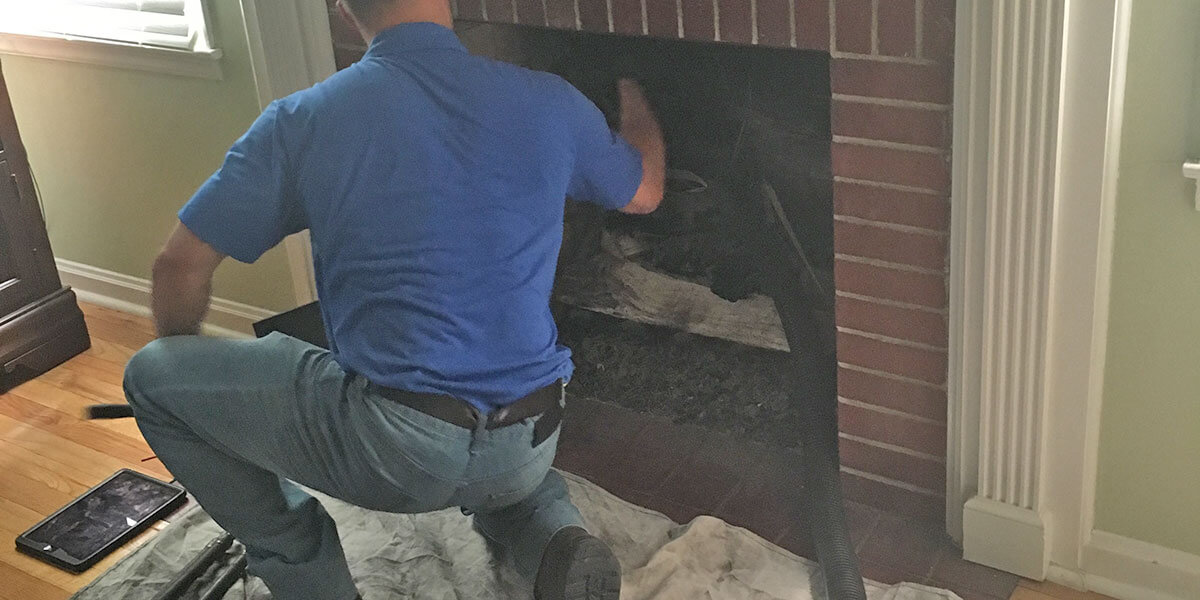
How Does A Chimney Sweep Clean a Chimney? Will it Make a Mess?
According to the National Fire Protection Association, chimney cleaning or inspections should take place annually. Preferably by a professional chimney service company certified by the Chimney Safety Institute of America. The fireplace chimney and furnace system is quite complicated and an inspection can alert you to a potential problem before it becomes a costly repair or a safety issue. The process in which a chimney sweep performs a job involves several elements that we will touch on, and if you’re wondering if it’s a messy job -- yes it is. However, when hiring a team of certified professionals, you are in better hands to receive a thorough job performed in a clean way.
Why is Scheduling a Chimney Sweep so Important?
The most important reason why you need to have an annual chimney cleaning is to confirm that you are burning in the correct way as to not put your home at risk of a fire. The more soot you find in the fireplace, the more gases are released and the less environmentally conscious the burning is.
How Does a Chimney Sweep Clean a Chimney?
The role of a chimney sweep is centered around chimney sweeping and cleaning. They clean chimneys, smoke ducts, fireplaces and flue pipes in order to prevent gas emissions and soot fires. Additionally, a chimney sweep has knowledge and skills regarding fire prevention work and follows specific guidelines and procedures that guarantee a thorough and professional job. They inform homeowners about correct burning techniques so they are not at risk of a fire, and clean from the bottom reaching the firebox, smoke chamber damper, smoke shelf, and flue liner.
The whole chimney service process can take anywhere from 20 to 45 minutes, depending on whether the homeowner has prepared the area before arrival and whether questions arise regarding fire safety in their home. Overall, a typical chimney cleaning should be able to be finished in an hour.
How to Prepare for a Chimney Sweep.
It’s always helpful if the homeowner makes sure that the fireplace is easily accessible. Move any furniture and decor out of the way, and cover it just in case. Be sure that access to the fireplace and chimney is clear so that the chimney sweep can do their job. Chimney sweeps are invested in your personal safety within your home. If you have any questions about your fireplace, fireplace safety, masonry, or the overall chimney service, this will be the time to ask. The quality of their customer service at this visit should leave you feeling satisfied with the job and safe to burn a fire.
Will a Chimney Cleaning Make a Mess?
When dealing with ashes, soot, burned logs, and potentially old pieces -- yes it can create a mess. However, a good chimney sweep should carefully set up a drop cloth or plastic to protect your home, as well as a dual HEPA filter vacuum to keep dust levels down. They will either start from the flue and work their way up the chimney, or start on the roof and work their way down; or sometimes even both. Regardless, the vacuum should be running the entire time to ensure that the air and the floor of your home remain clean during the entire process. The goal is to scrape all the coating that has built up from fires off of the chimney lining so that it falls down the chimney to be carefully vacuumed and swept away before departing.
Here at Brick + Ember Outfitters, if we see something that is not right, we will notify you and perform a more detailed inspection. We never do any repairs or work without the customer's permission, but it is our duty to report on any deficiencies in the system. To help your chimney service run smoothly, be aware of things to consider when hiring a chimney sweep.
A chimney free of debris lets you enjoy your fireplace without worry, and that’s the ultimate goal, right? Schedule your annual chimney sweeping and cleaning with Brick + Ember Outfitters to keep your home safe and your fireplace working efficiently! Call today: 317-500-1250.
Related Articles:
- Spring Cleaning: Now is the Time to Schedule a Sweep
- 5 Questions to Consider When Hiring a Chimney Sweep
- When to Call in a Chimney Sweep for Help
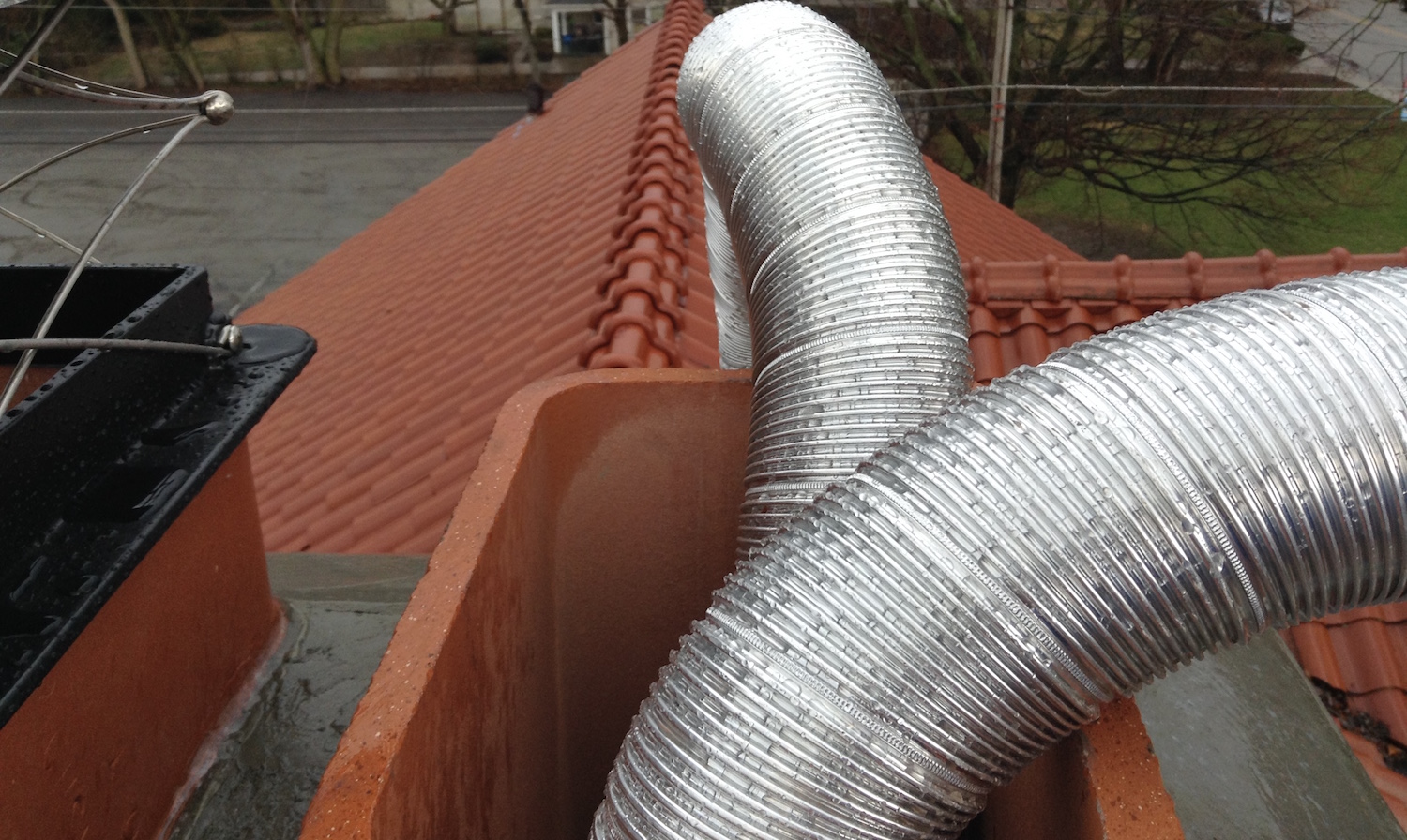
What Are Chimney Liner Benefits?
A chimney liner is a critical part of every chimney if you want to ensure that your chimney not only has a longer life span, but that you’re also getting the best benefits and not any of the health dangers from it. Chimney liners come in many different materials, including clay tile, stainless steel, cement, and aluminum. Each different material serves its purpose; however, some materials will differ from others depending on its use and chimney type. Whatever type you choose, in this post we have outlined some simple chimney liner benefits of installing one.
Fire Damage Protection
One of the essential functions of a chimney liner is to keep the heat inside the chimney from reaching the combustible material outside of it. If you have an unlined chimney that is aging, cracked tiles or missing filling can allow harmful gases and smoke into your living areas, attic or ceiling, causing harm to you and your family. Additionally, it makes it easy for heat to escape to other areas of your home, such as the second floor or the roof, and start a major fire. Simply put, a chimney liner keeps the heat inside the chimney where it belongs.
Creosote and Moisture Prevention
Creosote is the biggest enemy of chimneys everywhere. This shiny black substance is the unburned wood energy that gathers due to poor venting or wood that doesn’t burn thoroughly. It is highly combustible and a leading cause of chimney fires. A liner prevents creosote from building up by helping with proper venting, as well as stop water moisture from becoming trapped in the chimney which is a significant danger when it causes cracking during winter month freezing. Some fuel burning appliances need aluminum liners to be able to properly vent hot gases that don’t condense before reaching the top of the flue. Aluminum liners are better for lining chimneys used with corrosive condensation caused from efficient appliances.
Energy Efficiency
Chimney Liners add an additional layer of insulation inside a chimney that reduces the downdrafts that can come down during times when there is no fire in the hearth. This equates to less cold air getting into your home (hooray!) and forcing you to run your heater more often. It also means more efficient burning of fuel inside the fireplace, which is always a good thing, too, right?
Chimney liners can be somewhat simple to install, but your best bet is to have a professional company do the installation for you so that you know you’re getting quality service at a great price. That way your chimney lining is bound to last a lot longer, through the peak winter period where keeping warm is essential; to the summers where your chimney is more likely to remain stagnant. We’re ready for you here at B+E! Give us a call 317-500-1250 or visit www.cmoutfitters.com.
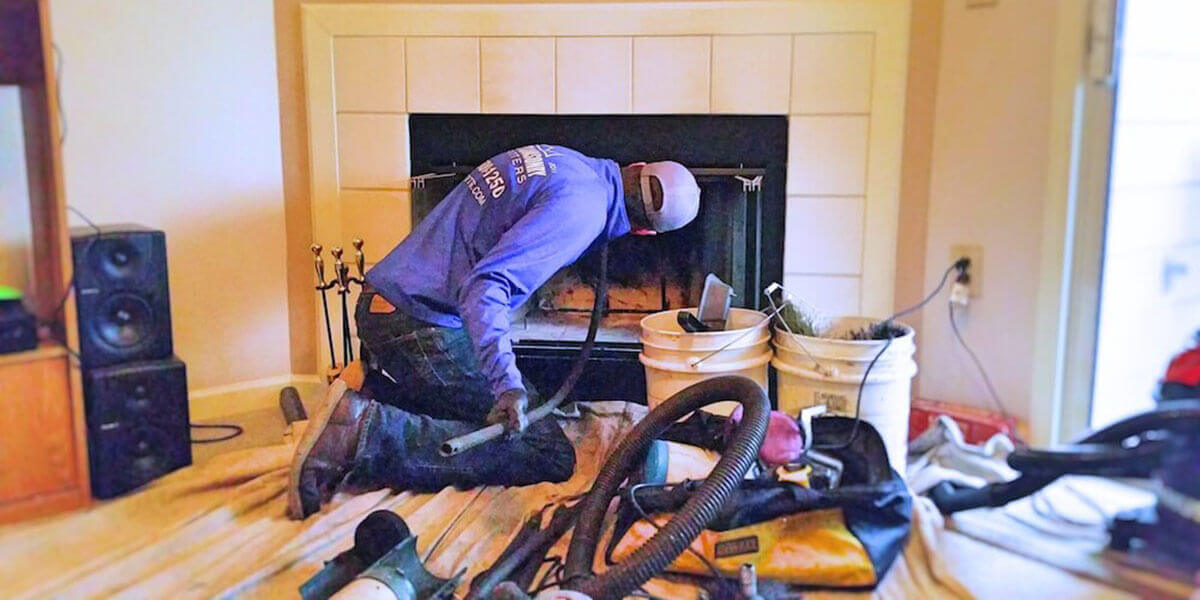
How to Inspect a Fireplace Chimney
Inspecting and cleaning a fireplace chimney is a dirty job, but is also vital to its lifetime and longevity as a functional piece of your home. The Chimney Safety Institute of America recommends that chimneys and fireplaces should be cleaned an an annual basis. Whether you choose to DIY-it, or hire a professional certified chimney service, here are ways to make sure this process is done safely.
What to look for in a fireplace and chimney sweeping and inspection
- Look at the general condition of all of your fireplace chimney inside the home. Are bricks coming loose? Is mortar cracking and falling out? If so, we highly recommend getting those issues fixed as soon as possible. Fireplaces in disrepair are dangerous.
- Go outside and look up at the chimney on your roof. Walk around the house and inspect all 360 degrees. Are bricks or mortar coming loose and falling out? Is there a cover over it to keep out rain, snow, birds, bats, and other intruders from entering?
- Are tree branches blocking the top of the chimney? If so, consider removing them and cutting the back at least 20 feet.
- Look for smoke stains. Smoke stains can be another signal that your fireplace chimney isn’t functioning properly. If you see stains on the ceiling, smoke could be escaping from a gap between the hearth and the firebox. This is most likely because the hearth has settled, which is not an unusual occurrence in an older home.
What will a fireplace chimney sweep and inspection help avoid?
There are a lot of bad things that can happen with a malfunctioning fireplace — the worst being a chimney fire that can spread to the roof structure and cause major damage.
Here’s a list of things a good chimney sweep will inspect:
- There should be a cap with a screen on the chimney to prevent rain or snow from coming down the chimney and to prevent birds or other critters from nesting there.
- They will look at the condition of the bricks and mortar to see if bricks exposed to the weather need to be reset or the mortar needs repointing.
- Flue liner check for excessive creosote buildup or cracked flue tiles.
- If the fireplace has glass doors, the sweep should inspect the gasket material around the door opening. Defective gaskets should be replaced to ensure proper operation of the fireplace which is is especially important if you have an insert or a wood stove, which are meant to be airtight. If an airtight appliance is operated without these gaskets effectively sealing the openings, excess air can leak into the firebox creating an over fire condition, which may permanently damage the appliance.
- As part of the service, the sweep should clean the blower if your fireplace is equipped with one. These blowers do not have a filtering system to prevent the buildup of dust and hair on the blower. Excessive dirt will shorten the life of the blower and may be a fire hazard.
- The inspection may reveal broken or deteriorated brick lining in the firebox. Replacement of the damaged bricks may or may not be necessary depending on the severity.
Remember, as fires burn in your fireplace throughout the years, the oils, moistures, chemicals that are the result of combustion, and particulate matter all accumulate within the inner walls of your chimney. Creosote is the result when these things build up and can provide the perfect fuel for a chimney fire later on down the road.
We strongly recommend a thorough fireplace chimney inspection and having a licensed chimney sweep. The professionals at Brick + Ember Outfitters will not only clean the chimney of built-up creosote but will alert you to defects in the flue or firebox that can be downright dangerous. We pride ourselves on our customer service, and would love the opportunity to give your fireplace chimney a thorough inspection, chimney sweep, or chimney cleaning. Whatever is needed! Give us a call to discuss: 317-500-1250 or visit www.cmoutfitters.com.
Related Articles:
- What Is a Chimney Fire?
- Do I Need a Chimney Sweep for My Indianapolis Home?
- 5 Reasons to Call a Chimney Sweep for Your Indianapolis Home
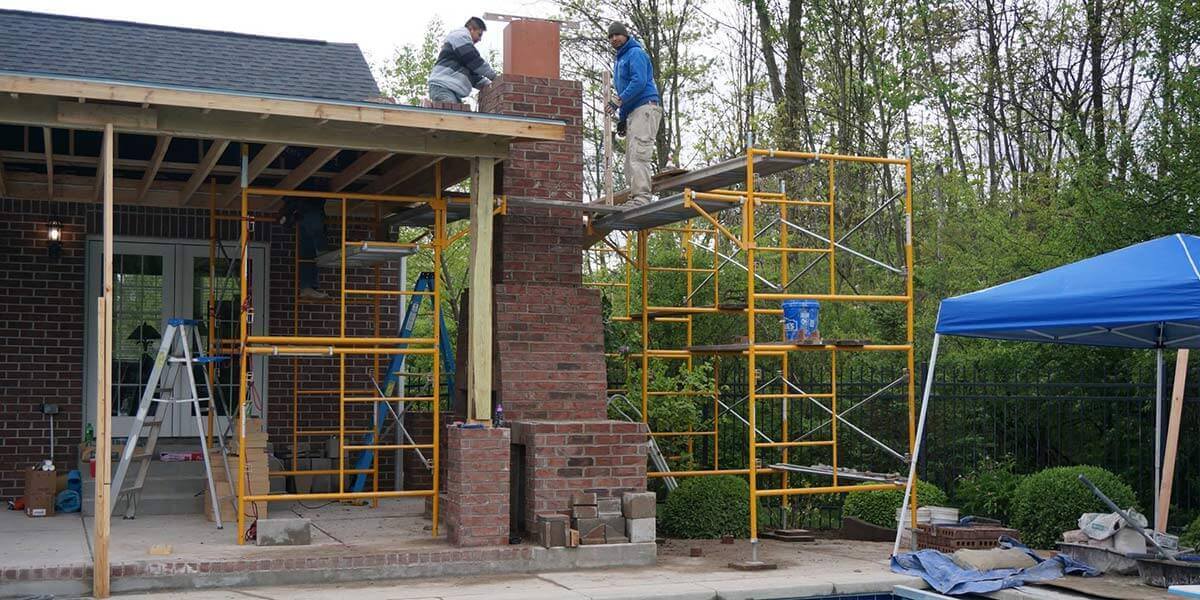
How to Maintain Your Chimney in Winter: Part 2
As we discussed in How to Maintain Your Chimney in Winter: Part 1, Chimney maintenance is extra important in these colder months. Extra steps have to be taken to ensure that masonry work doesn’t set too slow, leaving you with a leaning chimney because the mortar took longer than usual to dry. In this post, we will continue to outline important components of the chimney and its masonry that need to be considered when it comes to ensuring the functionality and the longevity of your chimney.
Address Deteriorated Mortar Joints
This doesn’t need to be too in-depth. The mortar joints are the grayish (generally speaking) mortar that you see between the bricks of your chimney (or home). Just like the concrete crown, as the effects of weathering take a toll on the masonry, the mortar joints can begin to deteriorate. These are generally pretty visible to the naked-eye. Missing mortar between bricks? You are, indeed, experiencing deteriorated mortar joints. Mortar joints are designed and are constructed to keep water out, but once deterioration begins — the porous masonry (brick) will absorb water and the joints will continue to crumble. The best type of chimney maintenance for rectifying this problem is to have the joints ground out and repointed (filled back in with mortar). Simply putting more mortar back in is not going to be the most ideal fix as the deterioration will simply continue rather than be brought back to a fully restored state.
Address Flashing
Flashing is (generally) the sheet metal material that is utilized for the sealing of the chimney to the roof (or vice versa). Flashing is put beneath the shingles of the roof and is caulked to the masonry of the full-masonry chimneys. Flashing is intended to dispel the water from running all of the way down the chimney into the home, ruining drywall and other structural materials inside of the home. You may notice a flashing issue if you see water-spots on the ceiling surrounding the chimney – this problem does not resolve itself, you’ll continue to experience damage to the interior structural components of your home until this is addressed and repaired. The flashing allows the chimney and the roof to come together while still expanding and contracting, creating the need for less chimney maintenance in the long run if addressed properly.
Consider a Cricket
A cricket is a structure that is installed at the point where the roof and the back of the chimney come together. Stick with us here: if a chimney is erected perpendicular to the home’s roof, there will be a place in which the roof and the chimney meet – often a rather abrupt spot where water has an opportunity to sit and wait around, freeze and really take a toll on your chimney’s masonry. The cricket is a triangular shaped structure that cause the water to run out and away from the back of the chimney.
Winter is a rough season for your masonry and the Indianapolis area is no exception to this rule. Take a look at the masonry on or around your chimney and if you see any reason to believe it’s not in great condition, give us a call reliable, professional chimney maintenance: 317-500-1250. Brick + Ember Outfitters is committed to building equity, restoring beauty and growing peace of mind for our Indianapolis homeowners.
Related Articles:
- How to maintain your chimney in winter: Part 1
- 5 Issues Commonly Identified During a Chimney Sweep and Inspection
- When Is the Best Time to Hire a Chimney Sweep in Indianapolis?
- 5 Tips to Help Keep Your Fireplace and Chimney in Good Condition
- 5 Reasons to Call a Chimney Sweep for Your Indianapolis Home
- When Is Chimney Removal Necessary?
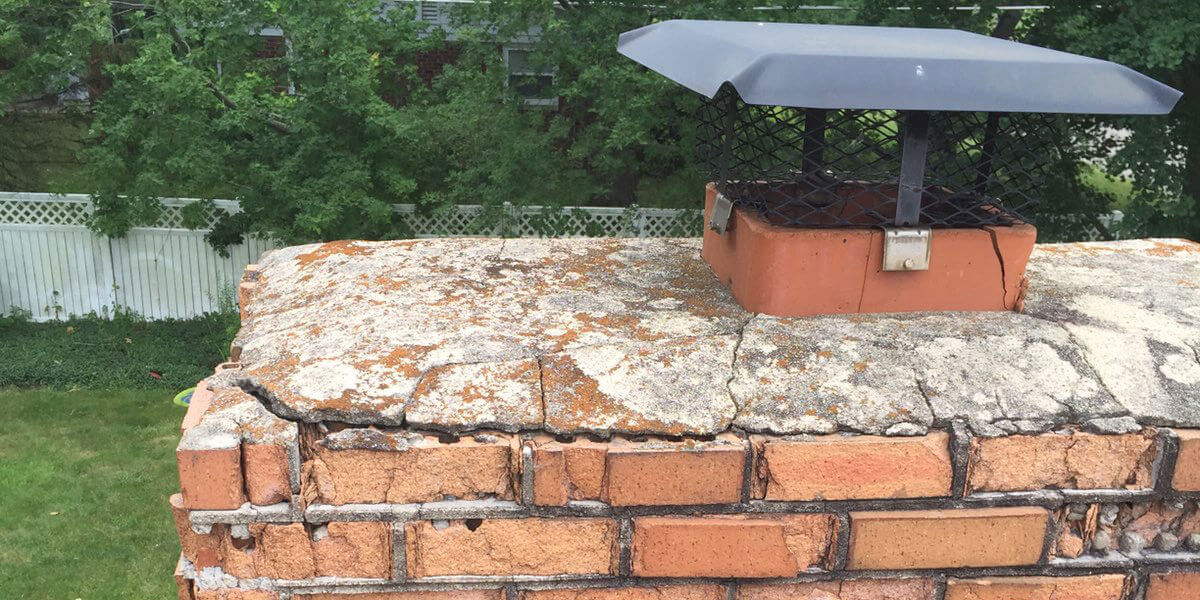
How to Maintain Your Chimney in Winter: Part 1
Winter is (still) here, and we can’t stress enough that chimney problems will perpetuate themselves, not fix themselves. Chimney maintenance is extra important in these colder months, especially if you have a beautiful, full-masonry chimney structure, as masonry construction is exponentially more demanding in the winter months than it is in the warmer months of the year. In this post, we will give you a few options for getting the chimney under control, even when the temps are much lower.
Addressing cracked or deteriorating crowns
Full-masonry chimneys are beautiful structures that accent the rest of your home. These classifications of chimneys are constructed with a concrete crown up top and are extremely susceptible to the effects of weathering — year after year. Freezing and thawing, rain, sleet, snow, ice and anything else you can think of, those crowns go through it all! Which means they can begin to deteriorate, due to weathering.
Given that a concrete crown serves as the top, or “roof”, of the chimney’s masonry work below — if hairline cracks form, water will find itself in. A couple of rough winters and those hairline cracks turn into the real deal cracks. Chipping and cracking of the concrete crown means more water for the masonry below and we all know how that story goes — whomp. You’ll either notice a concrete crown issue because your bricks are chipping and spalling, or you may begin to experience a legitimate leak from the chimney.
Neither is a winning situation, but both could be avoided with regular chimney maintenance.
Chimney Maintenance Tips
- Confirm with your chimney repair company that there is an overhang for the concrete crown. Water needs to be directed away from the chimney below, not directed to run down the chimney below. It will do yourself and your chimney no good to just slap a new crown on that reaches the edges of the chimney. It needs to extend past the edges of the chimney. If you have a chimney with a steel chase-cover, click HERE to learn more about ensuring your chase-cover is protecting your chimney.
- Have your concrete crown assessed for any and all possibilities of unwanted hairline, or legitimate cracks that could lead to further deterioration to your chimney’s masonry, or leaks. Brick + Ember Outfitters is interested in building equity, restoring beauty and growing peace of mind, so that means we’ve got options to suit the needs of you, as the homeowner.
Extra steps have to be taken to ensure that masonry work doesn’t set too slow, leaving you with a leaning chimney because the mortar took longer than usual to dry. Our professionals are equipped to help!
Ask Yourself...
Are you wanting to stick around in your current home for 6 months, 3 years or be there your whole life long? At Brick + Ember Outfitters, we will make sure you know what’s available, what’s best, and why! Give us a call and grow a little peace of mind as you light up your fireplace this winter: 317-500-1250.
Related Articles:
- How to maintain your chimney in winter: Part 2
- 5 Issues Commonly Identified During a Chimney Sweep and Inspection
- When Is the Best Time to Hire a Chimney Sweep in Indianapolis?
- 5 Tips to Help Keep Your Fireplace and Chimney in Good Condition
- 5 Reasons to Call a Chimney Sweep for Your Indianapolis Home
- When Is Chimney Removal Necessary?
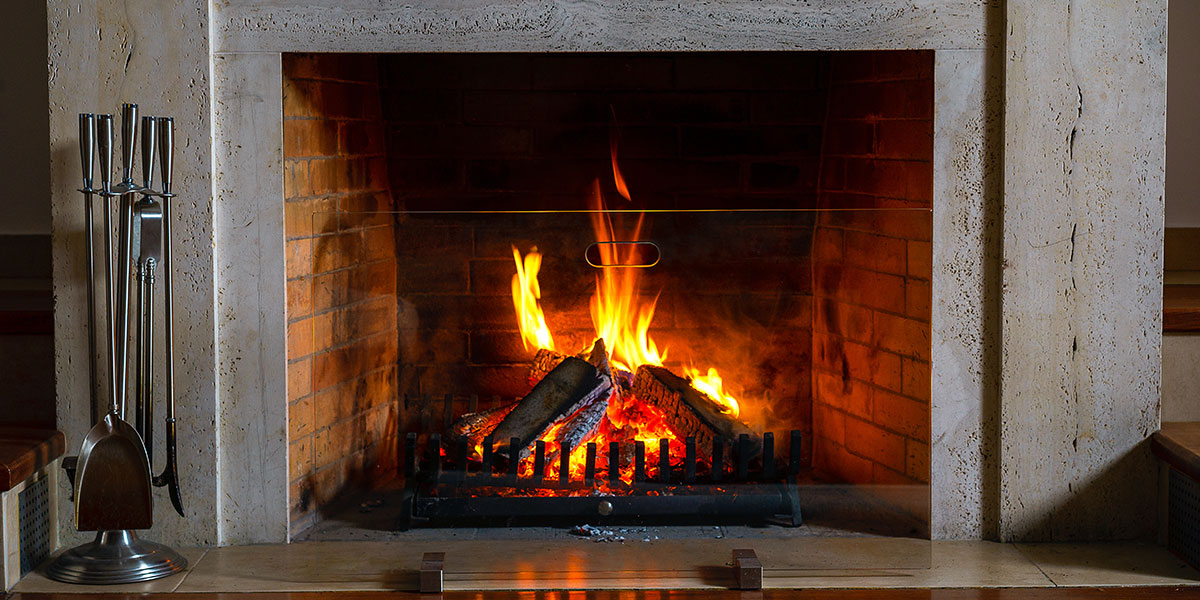
Give Your Fireplace a Spring Facelift
After years of searing-hot blazes, fireplace mortar can crack, crumble, and fall out. Gaping mortar joints are not only unattractive, but they leave the bricks more vulnerable to damage. So as you continue to enjoy this wood-burning season, examine the condition of the mortar, chimney interior, and overall aesthetic of your fireplace. Fireplaces are one of the home features people really covet, and in this article, we will explain how your old masonry fireplace can provide your home with more heat than it normally does with a fireplace facelift.
Install a new chimney liner.
A fireplace facelift isn’t just about the aesthetics. A great way to increase the amount of heat within your home is to have a chimney liner installed. Not only do they protect the house from heat transfer to combustibles, but they also protect the masonry from the bi-products of combustion that can cause corrosion. Types of chimney liners include clay tiles, metal, and cast-in-place chimney liners.
Fix that brick!
This is an obvious fireplace facelift need. If you have brick that is chipped or missing mortar, cracks of gaps between panels, or obvious holes in the fire-box or smoke chamber, these are repairs that can achieve a significantly updated look.
Additionally, giving your hearth a more unique and modern touch can be achieved by using different patterns and placements of bricks. There are a variety of colors of bricks that can add to the existing decor of the room.
Have you considered tile?
According to The Tile Home Guide, a fresh fireplace tile upgrade is one of the smartest and most economical home improvements you can choose even when on a budget due to the fact that the total area to be tiled is usually fairly small and will only need a minimal amount of tiles, time, money, and effort to complete.
Fireplace tile is not just used for its looks, as it also functions as a non-flammable barrier between the opening of your fireplace and the rest of your home.
The majority of tile materials can handle the extremely high temperatures that fireplaces reach and the extreme changes in temperature that take place very quickly without damage. In addition to the functionality being strong, but the wide variety of tile styles, colors and themes is always growing. There are so many unique options to make your fireplace facelift stand out!
Get yourself a mantel!
A mantel is the signature piece for any fireplace and can truly complete a fireplace facelift in the best kind of way. Adding a custom mantel changes the entire look and feel of a room, and with so many styles to choose from, you are sure to find something you love that fits your vision.
The simplest style can help the fireplace blend in, while something more complex and unique will make your fireplace stand out and become the focal point of a room.
Appearance matters. In a survey from the National Association of Home Builders, more buyers cited looks (46%) than quality (31%) as an important fireplace trait. As the focal point of a room, don’t you want to gaze on it lovingly?
It is common for homeowners to use the opportunity of replacing a fireplace or having the flue relined as a chance to give their fireplace area a facelift, and here at Brick + Ember Outfitters we are certified and experienced in this remodeling job.
We would love the opportunity to give you that fireplace facelift you’ve been considering and envisioning. Give us a call to discuss: 317-500-1250 or visit www.cmoutfitters.com.
Related Articles:
- Understanding Your Fireplace Damper
- How to Safely Remove Wood Ashes From Your Fireplace
- How to Weatherproof a Fireplace
- Proper Gas Fireplace Maintenance
- What are Common Gas Fireplace Problems?
How to safely start a fireplace fire
It’s winter, and it’s cold, and there is nothing quite like a cozy fireplace-fire to enjoy with your friends, family and roommates. But lighting a fire in the fireplace is not something you want to regret, so we have outlined the safe way to go about starting a fire in your fireplace to bring the most comfort in your home.
WHAT IS THE BEST TYPE OF WOOD TO BURN IN YOUR FIREPLACE?
When it’s cold outside, there is nothing quite like the cozy feeling of warming yourself up by the fire. Having a fireplace in your living space gives you the opportunity to bring the outdoors in and to warm up a small area quickly. Many of us have a pile of firewood next to the exterior of our homes from a recent tree-trimming project, but have you ever thought about what kind of wood is best to burn in a fireplace? In this post we will help explain which type of fireplace wood is best to burn, and why.
What Is a Chimney Fire?
Your chimney and the flue that lines it adds architectural interest to your home, but its real function is to carry dangerous flue gases from your fireplace, wood stove or furnace safely out of your home. As you relax in front of your fireplace, the last thing you are likely to be thinking about is the condition of your chimney. However, if you don’t give some thought to it before you light those winter fires, your enjoyment could be very short-lived.