
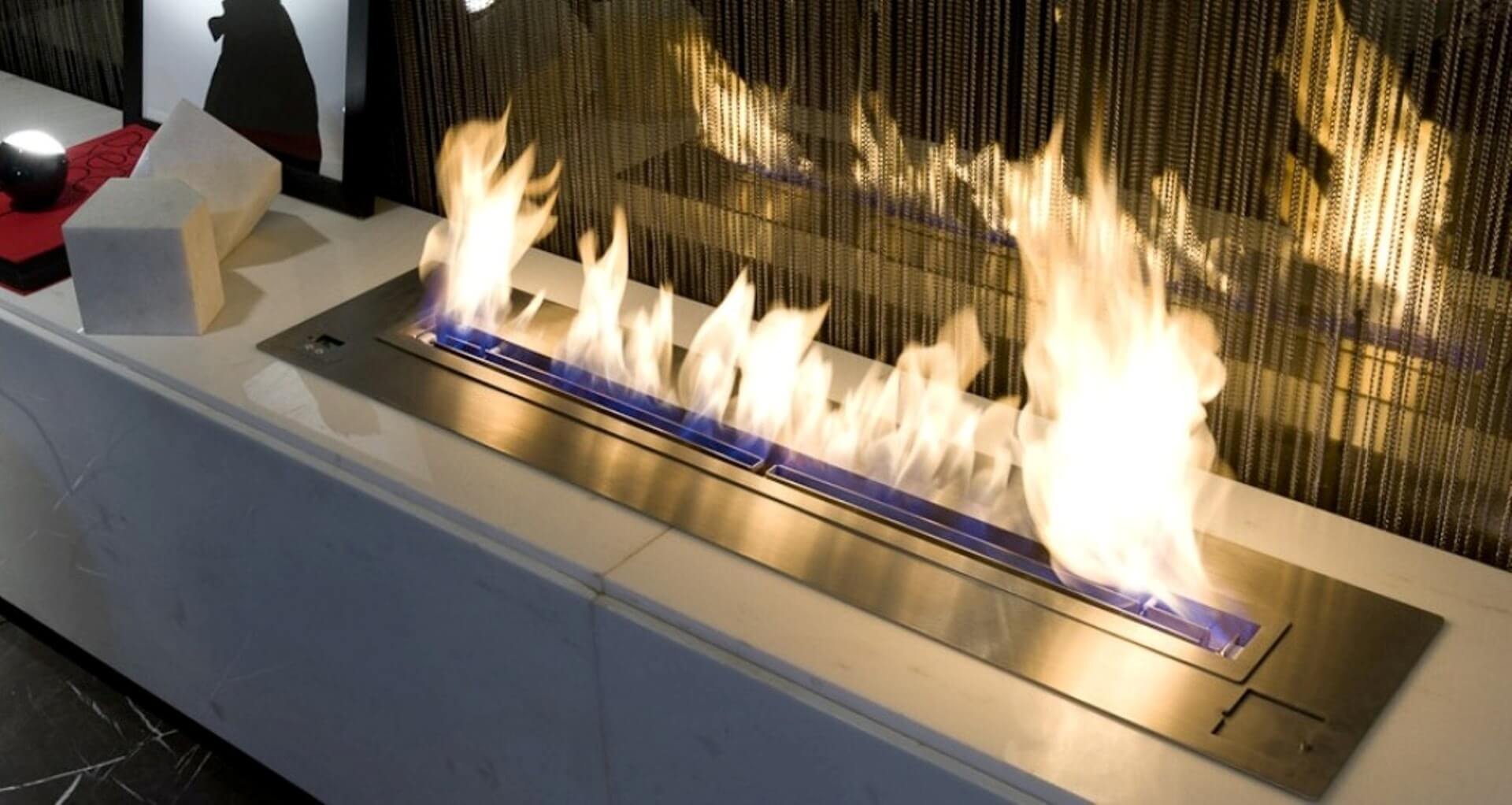
What are Common Gas Fireplace Problems?
A gas fireplace provides the most convenient way to enjoy the flickering flames of a fire. No need to chop or haul firewood; simply flip a switch or light a match to get the appliance started. Their aesthetic and convenience are hard to beat, and it’s no surprise that even older vintage homes are upgrading to gas-fueled alternatives. But as with any appliance, there are various problems you may encounter. In this article we outline some of the most common types of problems that homeowners have with gas fireplaces to be aware of.

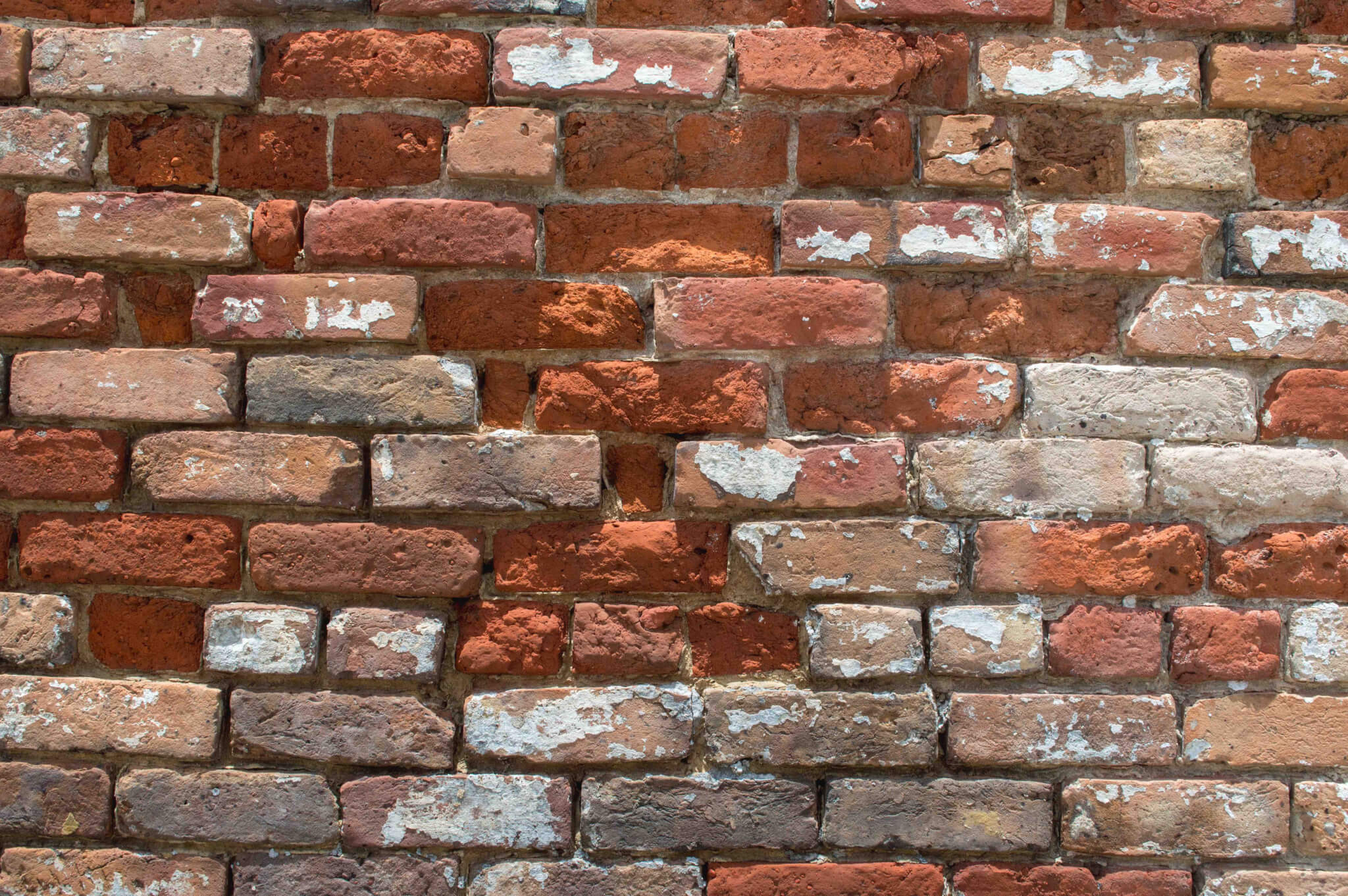
When is masonry repair required?
Structures designed with masonry are made for performance and durability, not to mention the aesthetic component. However, even the most soundly designed and constructed masonry buildings eventually require periodic maintenance. Over time, environmental factors, weather, chlorides, and pollution all contribute to the need for repairs. In this article, we will help explain how to recognize the symptoms of damage that is in need of masonry repair and how to take action.
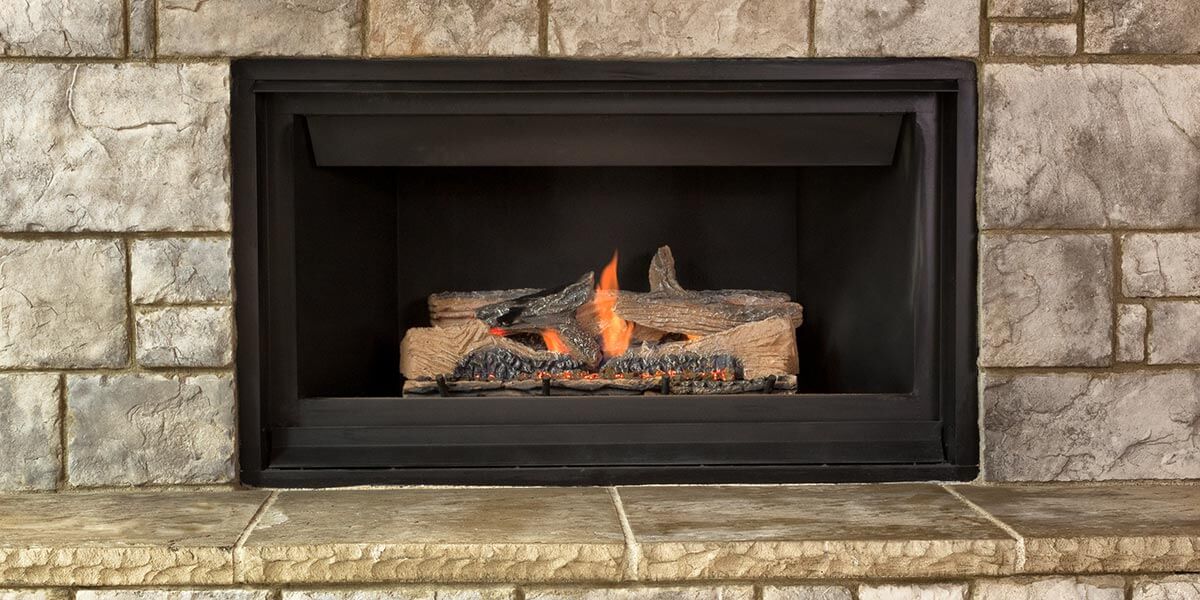
Proper Gas Fireplace Maintenance
Wood is good, but you can't beat the ease of a fire that lights with the push of a button. However, it’s important to pay attention to things such as gas log maintenance and gas fireplace maintenance. Both are extremely important in ensuring your fireplace continues to work as it should. Here we outline some proper gas fireplace maintenance tips to make sure your fireplace continues to work as effectively as possible.
Gas Fireplace Maintenance Guidelines
1. Safety Check
A gas fireplace safety inspection makes sure that your fireplace is working properly and safely within the walls of your home. A technician certified by the Chimney Safety Institute of America will inspect to make sure there are no leaks in the system, as well as inspect the burner and gas pressure.
2. Cleaning Glass
Another crucial step in your gas fireplace maintenance is cleaning the glass. Where a gas fireplace does burn cleaner than a wood burning fireplace, however just like a wood burning fireplace, you should still clean a gas fireplace every year following there steps:
- First, make sure the fireplace is cool and turned off. It’s also a good idea to make sure the gas valve is turned off.
- Clean the glass by removing it from the fireplace (if possible) and setting it down on an old sheet or drop cloth to keep the floors from getting dirty when you clean.
- If the glass is pretty clean, you can most likely use a glass cleaner. But if you see a few of those black spots, try to use something like a nylon scrubber, that won’t scratch the glass, and Dawn dishwashing liquid to carefully remove the spots
- If the glass is dirty with a black coating or a white haze, you’ll need to do a heavy duty cleaning using Dawn dishwashing liquid and a soft rag.
3. Cleaning Gas Logs
Gas fireplace maintenance isn’t complete without getting into all of the crevices of those logs. You can easily clean and dust cobwebs from the logs by using a vacuum or a shop vac with the brush attachment to clean the logs and the surrounding area. If dust is coated and stuff in corners of the logs, you can use a small soft paintbrush first to help dislodge before vacuuming.
- If you notice the logs look worn down or if they are cracked or broken, they should be replaced so the fireplace continues to function as it should.
- If it looks like there is an excessive amount of black carbon buildup on the logs, it could be an indication of a problem and you should call to have your fireplace serviced.
The overall goal of gas fireplace maintenance is to clear out the accumulation of sediment in the pilot opening. A can of compressed air, like the ones used for keyboard cleaning will do the trick, may be used with the included straw to direct air toward the opening to clean it out. If you opt to do this yourself, remember to make sure the pilot is OFF before beginning. If the pilot assembly is at least five years old or if you live close to salt water (not an issue for us Indiana folk), this method likely won’t be as effective as it once was, leaving you needing to seek professional assistance!
Due to the nature of gas being dangerous, if you are in need of any sort of repair, we don’t recommend you take care of that for your gas fireplace on your own. Please call the certified professionals at Brick + Ember Outfitters if you need help: 317-500-1250.

It’s Time for a New Year’s Chimney Sweep
The start of the New Year isn’t just a great opportunity to make resolutions – it’s also the perfect time to have your chimney swept!
Throughout the year our chimneys can suffer from a buildup of soot, ash, and creosote. Having your chimney swept by a certified professional is the best way to keep your chimney system clean and working safely and efficiently all year long, and below we have outlined why starting your new year off with a chimney sweep is a great idea.
Keep up with Home Maintenance
Many homeowners feel lost under a mountain of their home maintenance to do list, so if you’re looking to up your home-maintenance game, schedule a chimney sweeping and inspection!
All chimneys and fireplaces should be cleaned and inspected at least once per year to keep your home safe from the risk of a chimney fire, and to lower the risk of carbon monoxide poisoning in the home. However, this is one home-maintenance task you should leave to the professionals.
Keep Your Home Cleaner
A cleaner chimney and fireplace also means a cleaner home. If you have a wood-burning fireplace, a dirty chimney can cause smoke to back up into your home, leaving dust and small particles all over your furniture. A dirty chimney also can lead to unpleasant odors that can flow backward into your home, leaving your home smelling foul no matter how well you clean it. Scheduling a new year’s chimney cleaning can help to freshen your home and rid it of embarrassing odors in the new year.
Lower Your Carbon Footprint
Are you looking to lower your impact on the environment in the new year? Keeping your chimney and fireplace, and putting them to use, can help. A chimney sweeping and inspection helps to keep your fireplace running more efficiently, lowering your energy bills and lessening your carbon output.
And when you use your fireplace more frequently, whether you’re burning clean natural gas or carbon-neutral wood or wood pellets, you’re doing your part to heat your home in a cleaner, more natural way.
Save (more) Money
Year after year, saving money tops the list of most popular new year’s resolutions. Having your fireplace and chimney swept and inspected can help! First and foremost, a clean chimney and fireplace help the entire system run more efficiently.
As an added bonus, when you use your fireplace more frequently, you can lower the thermostat for the rest of your home and concentrate your heating dollars on the rooms you spend the most time in, which can lower you home-heating bills dramatically.
If a cleaner home with a smaller footprint that saves you money is your idea of a good new year’s resolution (I mean...why wouldn’t it be??), give your local Brick + Ember Outfitters a call today. We’ll help you kick off your 2019 with one less item on your home maintenance list!
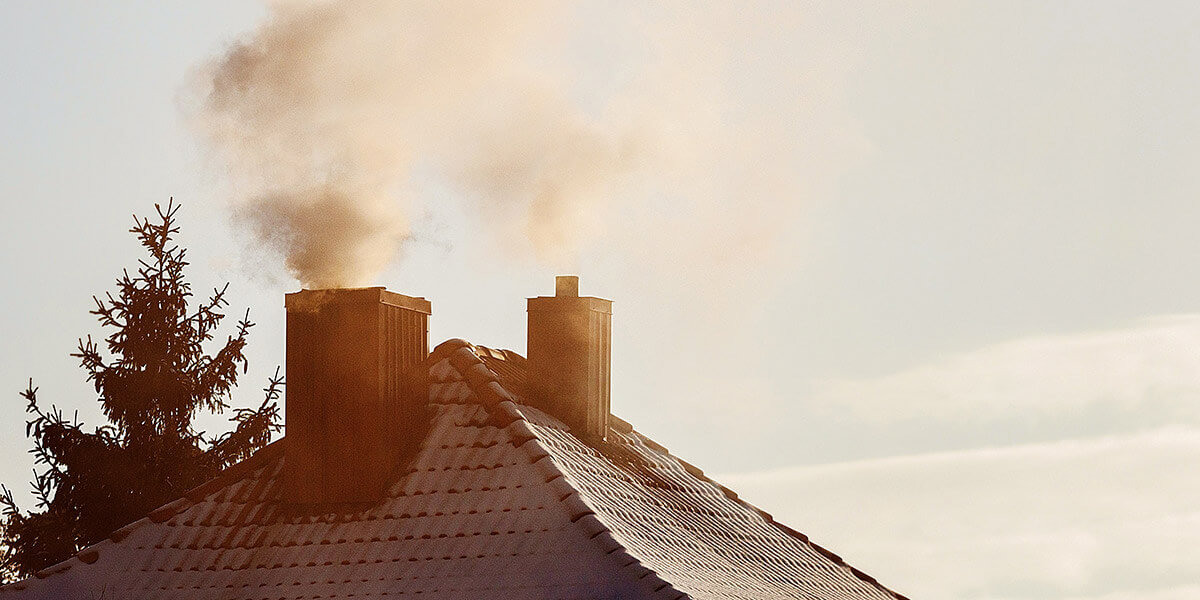
Why Do I Have a Smokey Chimney?
We get the question often from homeowners, “Why do I have a smokey chimney?”
Most of the time the answer is typically due to a drafting issue.
The chimney is designed and constructed to pull air up, out, and away from the home. However, there are a few common reasons you may be experiencing what industry professionals refer to as a drafting issue, which is when air or smoke is coming back into the home through the chimney. It is extremely important to have any drafting issues addressed, which causes a smokey chimney, as the fireplace is often not the only component of a home that uses the chimney. Other heat systems such as the furnace and water-heater are also exhausted through the chimney, which means if the air is coming back down the chimney rather than out, the natural gases from those systems may be as well.
What causes drafting issues leading to a smokey chimney?
- Cause: Build-up of creosote or soot in the chimney’s flue system can cause a negative, or down draft in the chimney.
Solution: Schedule a chimney sweep and inspection. - Cause: Holes in the chimney’s flue system (between flue-tiles or throughout the chimney liner) can also be a cause for drafting issues.
Solution: Schedule an assessment of the flue system (tiles or liner) - Cause: Missing rain-caps, which serve several important functions for the chimney.
Solution: Schedule an assessment and rain-cap installation. - Cause: Large trees fall directly above the flue or top of the chimney.
Solution: Schedule an assessment and tree trimming. - Cause: Wind is circulating from larger homes, trees or mountains that surround your home.
Solution: Schedule an assessment to determine the height of the flue.
It’s not normal to be experiencing a downdraft from your chimney and it could turn out to be quite hazardous. If it smells smokey or musty or just down right strange, be sure to give your Indianapolis Brick + Ember Outfitters a call right away at 317-500-1250. Risking the health and safety of your home and those in it is not worth neglecting the issue. Often times, getting rid of a smokey chimney issue can be as simple as a sweep and inspection.
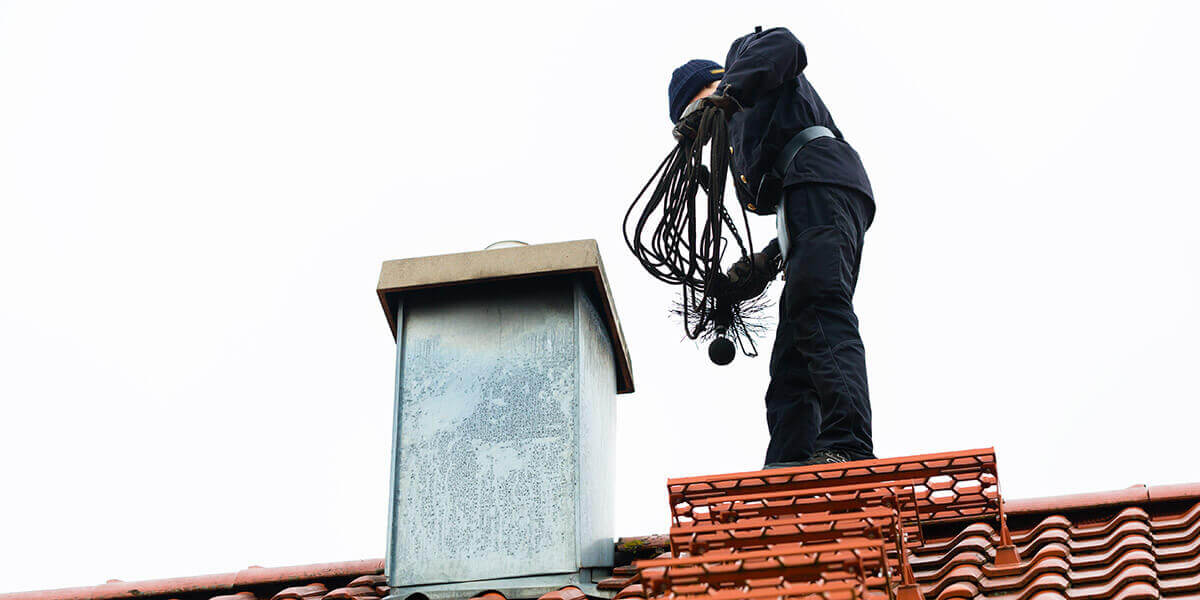
Do I Need a Chimney Sweep for My Indianapolis Home?
Contrary to many homeowner’s assumptions, the need for a chimney sweep does not depend on the frequency of use. Whether you have used your chimney in the last year or not, yes you will need an annual chimney sweep for your Indianapolis home before you start burning again for the season.
Why is an annual chimney sweep necessary
Your chimney serves as an exhaust to your fireplace and in many cases, the furnace, too. When a chimney is not in use, birds, insects, and other unwanted critters could take up real estate in your chimney. You’ll want to have any remnants left by these guests removed, and any damage addressed. Additionally, the fluctuation of Indianapolis weather throughout the year can take a toll on the masonry and the internal components of a chimney. The possible freezing and thawing, expanding and contracting of water in any deteriorated mortar joints, or porous brick, will perpetuate the breaking down of your chimney’s structure.
Especially if the chimney has been used, it is absolutely recommended by industry professionals to have the chimney cleaned and inspected annually. When wood is burned, creosote is left behind, and a fire burning inefficiently (not hot enough) allows creosote to build up in the flue system. Creosote is a flammable tar-like substance that can re-ignite and lead to flue-fires, which crack flue-tiles and cause serious structural hazards for your home.
What should I keep in mind before I call my chimney sweep?
Be sure that your annual chimney sweep should be performed by a certified chimney sweep. Your Indianapolis Brick + Ember Outfitters have been certified by the Chimney Safety Institute of America to ensure that you receive a quality sweep and inspection service that is in line with chimney safety regulations and best burning practices.
If you have not had your chimney swept or inspected this year, be sure properly prepare your home and give us a call 317-500-1250 to schedule your appointment.
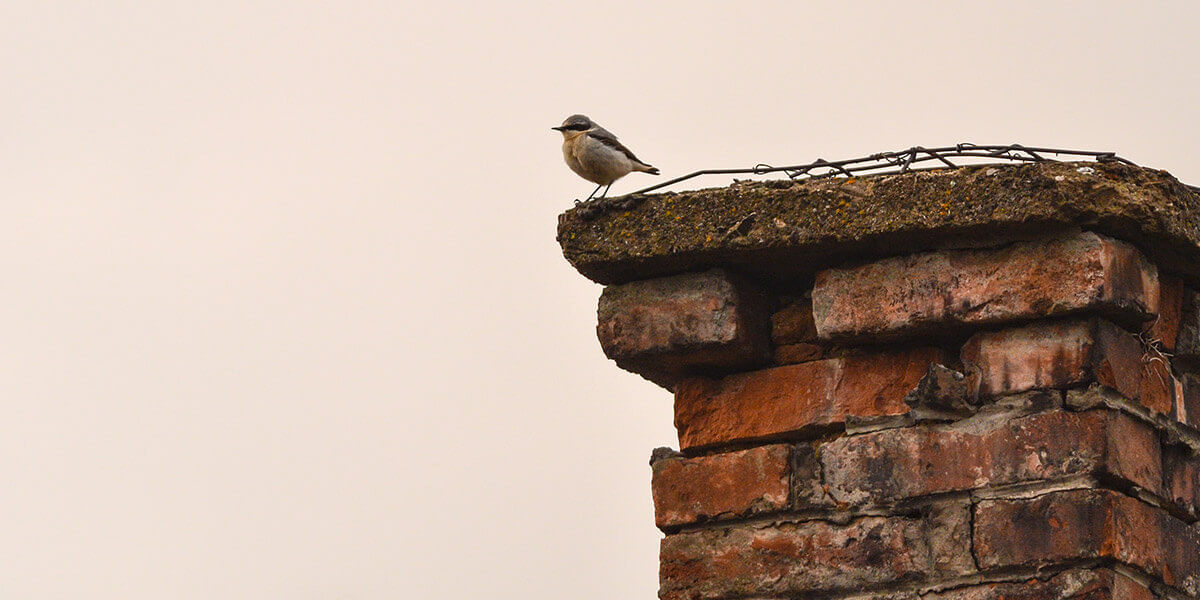
What Should I Do About a Bird in My Chimney?
We’ve all heard of snowbirds, bluebirds and jay birds, but have you heard of the poor, pesky chimney bird? If you’re a Indianapolis homeowner, you may have had the issue of a chimney bird getting stuck in your chimney. Our Indianapolis trees are plentiful and mature, so this is a fairly common phenomenon.
What should I do about a bird in my chimney?
Although we deal with all things chimney, it’s not traditionally in our job description to save you from the foul play (pun intended) in your smokestack. But we can offer you some guidance on how to get one of those pesky chimney birds out if it’s stuck in your chimney (not fireplace).
- Open the fireplace damper.
- Put an open box (open side up) in the fireplace opening about one inch from the top of the fireplace. You can use a fireplace gate or another box to adjust it to the right height.
- Turn on a flashlight and put it inside the box, then replace the box to its original location.
- Make the room as quiet as possible, silencing TVs and music. Wait silently until the bird enters the box.
- Trap the bird by sliding a piece of cardboard over the open box. Take the box outside and remove the cardboard to set the bird free.
If the bird is in your fireplace box, close off all entrances to the room, as well as hallways with sheets hung by thumbtacks. Open the door or screen slightly and trap the bird by tossing a towel over it. Gather up all corners of the towel, keeping the bird inside and carry it outside to release that chimney bird back into the wild.
What do I do if the bird is flying free throughout my room?
Dim the lights in the room and guide the bird with a broom toward the open door or window. In the event that it’s dark outside, turn on an exterior light to help guide the bird to the exit.
Although we know that dealing with birds in chimneys can be stressful for homeowners, keep in mind that it is equally unnerving for the bird. Try to stay as calm as possible and follow our steps to make your chimney a bird free establishment.
Why do birds and critters get stuck in chimneys?
Houses today are frequently built with small metal flue pipes instead of clay liners. These flues can prove to be deadly for animals that are unable to establish a solid grip on the slippery metal, causing them to fall into the fireplace. The Chimney Swift bird is notorious for this, hence the name.
A great way to make sure birds and critters haven’t gotten stuck in your chimney is to keep up with your annual chimney and fireplace maintenance and schedule a chimney sweep. Be sure properly prepare your home and give us a call 317-500-1250 to schedule your appointment.
How to Weatherproof a Fireplace
We understand the comfort of sitting in front of the fireplace while the warmth surrounds the room. The problem is that a big percentage (some say up to 90%) of that warmth is distributed inefficiently in the room and home causing you to lose a lot of that heat that is being generated. That is why the need to weatherproof your fireplace is so important.
Here are some fireplace weatherproofing tips from the U.S. Department of Energy that can help reduce the heat loss from your wood-burning fireplace and make your home heating more efficient:
- Apply heat-resistant caulk around the fireplace hearth.
- Ensure that the seal on the fireplace damper, when closed, is snug and secure. If you can't tell, call your local chimney and masonry company and they can inspect it for you.
- Adjust the size of the damper opening to the size of the fire you plan to build: a narrow opening for a small fire and a wide opening for a large one. With a flashlight in hand, we can help you get a good feel for your fireplace damper.
- Before opening the fireplace damper to light a fire, counteract the fireplace's quest to pull cold air into your home through small gaps, windows and doors by closing the doors that lead into the room and opening the window located closest to the fireplace by about 1 inch.
- Lower your thermostat setting to between 50 and 55 degrees while the fireplace burns wood.
Your fireplace damper plays a significant role in weatherproofing your fireplace.
The purpose of the fireplace damper is to prevent heat loss when the fireplace is not being used. Don't forget to open it before you start a fire. But when the fire is completely out (usually sometime the following day), don't forget to close it. An open damper is like an open window, allowing huge amounts of heated air to escape.
When you are ready to light a fire, open the damper completely. Some people try to operate the fireplace with the damper closed partially, in an effort to get more heat into the room.
But you won't gain much, if anything, by closing it partially, and you might gain a house full of smoke! No matter how you operate it, a standard open fireplace is not an efficient heater. Its purpose is atmosphere and entertainment, so forget about efficiency. Open that damper, and leave it open until the fire is out.
Can a fireplace take the place of a furnace?
No. Fireplaces, unless you live in a single-room cabin, they are basically good for heating one room and only for a period of hours.
That being said, it’s important to nip heat loss in the bud because of the inefficiencies: A fireplace may actually cause your heat bill to rise because you have to run your furnace longer to make up for the heat lost through inefficiency.
Here are some ways to keep much of the heat from your wood-burning fireplace or chimney.
- Use a flue sealer: Flue sealers are removable stoppers that prevent air from escaping through the chimney. These inflatable devices made from heavy-gauge plastic are inexpensive, and easy to install and remove. Place the flue sealer just below the damper to prevent heat loss and downdrafts when the fireplace is not in use.
- Caulk it: Make sure to apply caulk around the fireplace hearth. Failure to seal or doing it improperly is a main way that many fireplaces are losing heat.
- Seal off the room: Another way to reduce heat loss is close the room’s doors if you can and to crack open the nearest window, no more than an inch. This will actually help the fire to emanate and heat the air, creating a feeling of warmth all around.
- Adjust the thermostat: A lot of people run their heating units too high while using a fireplace. To do its job, a good setting for the thermostat is 50° to 55°F.
- Install a heat-air exchange system: A heat exchanger captures air from the room and channels it through hot tubes, redistributing heat and bringing additional warmth. As a result, you get more bank for the bucks you’ve spent on wood.
As the temperature continues to drop and the winter wind kicks in, many homeowners are looking to their fireplaces to provide more heat in their homes.
But the truth is, chimneys take a beating from severe weather extremes all year round, so weatherproofing your chimney is a simple and easy task that will not only extend the life of your chimney for years, but will help keep the right temperature within your walls through all seasons.
Call or visit our website us to schedule an assessment so you can keep your home warm all winter long!
Understanding Your Fireplace Damper
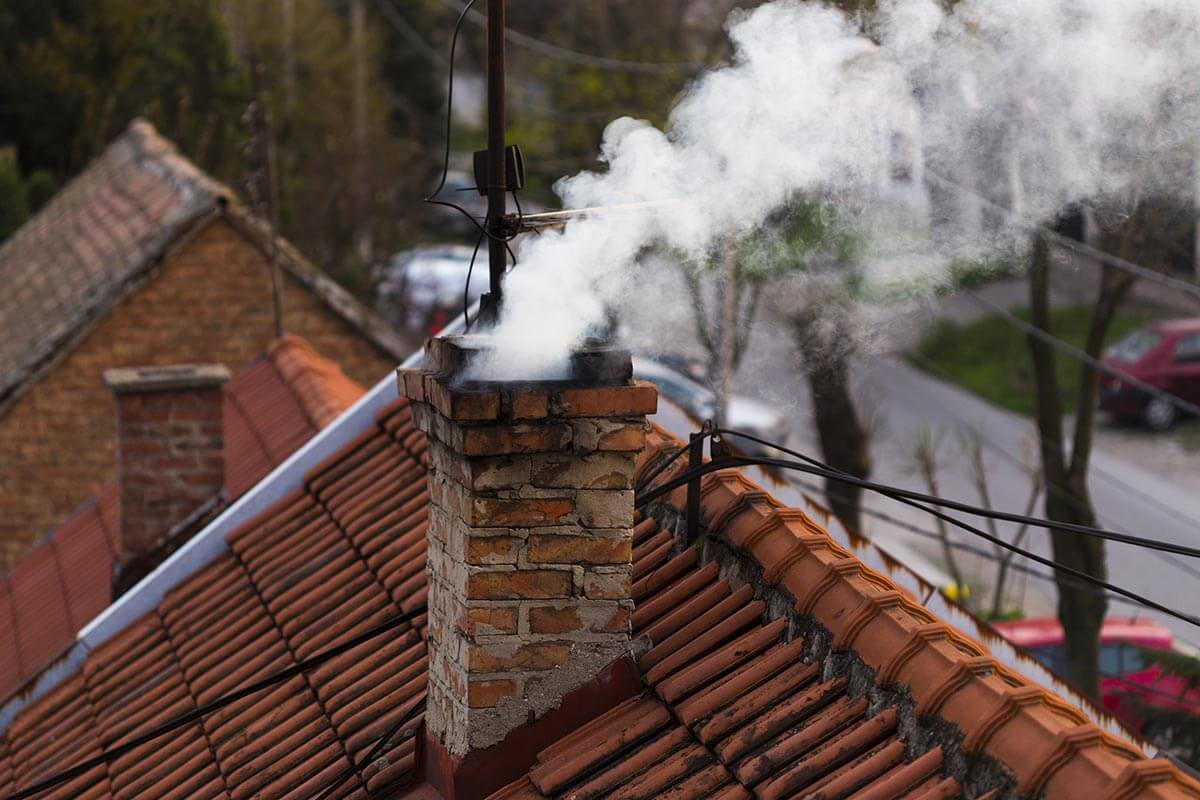
If you’ve ever filled your house with smoke just after starting a roaring fire, then you’ve probably wondered how a fireplace damper works. Unfortunately, a house full of smoke is a common signal that the damper has not been properly adjusted for fireplace use.
What is a fireplace damper?
Think of a chimney damper like a lid for your fireplace. It is located in the flue, which is the air shaft through which smoke and air can travel in and out of your chimney, and is located above the firebox where the fire is made, and is in use both when fireplace is active and inactive. We commonly think of chimneys as avenues for smoke to escape from your home, but they are also a way for air to come in. Knowing exactly what your chimney damper is, what it does, and how to control it will ensure better, safer, and more enjoyable fireside chats.
Inactive Fireplace
As mentioned, when your fireplace isn’t in use, your chimney damper still has a job to do. When there's no fire, keeping the fireplace damper shut tight prevents cold outside air from entering the house. This helps create energy efficiency. An open chimney damper will allow air into your home, so if it’s a cold night and you just can’t seem to warm up, make sure that your chimney damper is closed. A closed chimney damper will prevent unwanted air of any temperature from making its way into your home.
Active Fireplace
When the fireplace is in use, an open fireplace damper prevents smoke from filling up your home by giving it a way out through the flue. When starting a fire in your fireplace, making sure that your chimney damper is open is imperative to a healthy burn. Health risks associated with smoke inhalation are very serious, and you should never have to worry about putting your family in danger when building a fire. An open chimney damper will filter smoke out and keep the air in your home breathable and free of harm.
If you alter the amount that the damper is actually opened or closed, you limit the amount of oxygen that can enter the flue and interact with the fire. In addition to a fuel like gas or wood, oxygen is a crucial element to maintaining a fire. So, knowing how to control your damper will give you a huge degree of control over your flames that you may have overlooked until now.
Where is a fireplace damper located?
The damper is located inside the flue.
Fireplaces are constructed fairly simply. The firebox, where the fire is actually burned, is located inside a room of the house, is surrounded by brick, marble, or is sometimes freestanding like a wood stove. The chimney houses the flue, which is the airway in which the smoke rises from the fireplace and exits through the roof. Conversely, outside air can enter through the flue into the firebox.
Sticking to these guidelines and knowing when and how to use your chimney damper will not only ensure a more enjoyable fireside experience, but knowing how it’s supposed to function can tell you if there are any problems with your chimney that need attention.
Thinking you might need a set of professional eyes on your chimney and fireplace this winter? Call or visit our website us to schedule an assessment so you can keep your home warm all winter long!
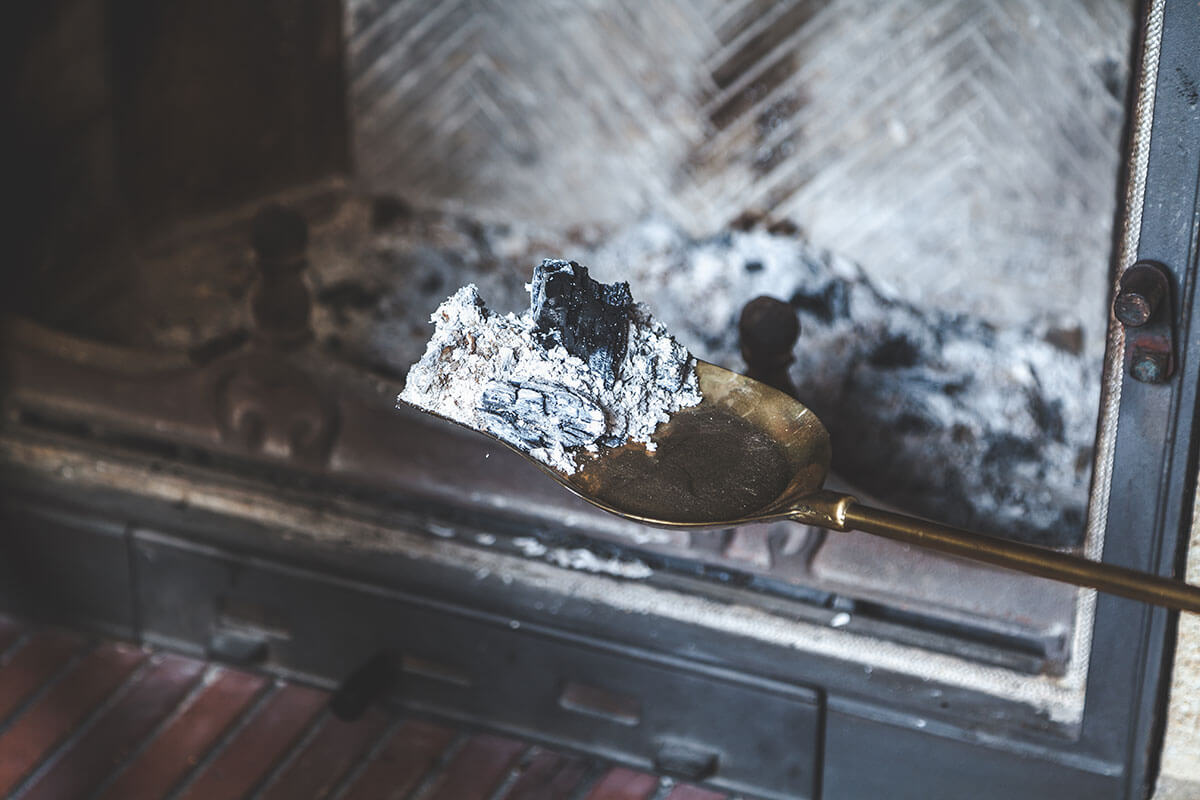
How to Safely Remove Wood Ashes From Your Fireplace
The burning of solid fuels in your stove, fireplace or insert, be it wood, coal or pellets, will inevitably leave behind ashes that need to be removed, regardless of how efficiently your particular unit burns. These remaining ashes must be removed periodically to prevent them from harming both the performance and durability of your unit. The frequency of the ash removal will depend on the product itself, how efficiently it burns, and the type of fuel being burned. The primary concern should be keeping you and your family members safe.
There are many ways this ash can be put to good use. Did you know that it is not a good idea to remove the ash from the fireplace or wood stove every time you build a fire? As it turns out, having a 1-inch layer of ash on the floor of the firebox during the regular heating season will make it easier to build and maintain a fire. The hot coals tend to nestle into the ash and glow, adding more heat to the fuel and reflecting the heat back into the fire.
How to Safely Remove Wood Ashes from Your Fireplace
- Trash the ash. A wet/dry vacuum with a disposable bag will take care of the job once the pile has cooled for at least four days.If you don't have one of those heavy-duty suckers, or just don't feel like hauling it out, here is an alternative approach: After the ash is completely cold, sprinkle it with damp tea leaves or coffee grounds to cover the stale smell and keep down dust (so you don't inhale it). Then scoop the pile with a fireplace shovel leaving an inch or two behind, and dump it into a metal can, bucket, or even an old stockpot. Discard the mess outside, ideally in a metal trash container, but definitely away from your house.
- Brush it off. If you have smoke stains on your fireplace facing, begin by squirting them with water. It will keep the cleaning solution from soaking in too fast (this is particularly important with brick). Then dip a brush in a solution of ¼ cup all-purpose cleaner to 1-gallon water; give spots a quick scrub; rinse with a clean sponge; let dry. For marble or other stones, squirt with water, and then go over with a soft cloth dipped in mild dishwashing liquid and water. Rinse and wipe dry.One exception: If brick facing is more than 50 years old, it may crumble if you scrub with a cleaner. Just vacuum the surface with your soft-brush attachment.
- Clear things up. To remove light soot or a cloudy film from glass doors, mix a solution of equal parts white vinegar and warm water and pour into a spray bottle. Spritz a bit on a paper towel and dip it into the fireplace ashes to use as a gentle abrasive. To finish, spray glass and wipe clean with a microfiber cloth. If soldered-on gunk won't budge (and if you really care), scrape it away with a razor blade.
Every year, hundreds of thousands of dollars in damage occurs and dozens of families are displaced because of fires in their homes that are caused by the improper disposal of fireplace ashes. According to statistics released by the National Fire Protection Association, almost 10,000 fires are caused yearly due to improperly removing and discarding ashes. Fireplace and wood stove ashes retain enough heat to ignite other combustible materials for several days after a fire. All one of these coals needs to flare up again is the addition of more oxygen. Therefore, extra care should be used in the storage and final disposal of them. There’s a reason fire departments often return to the scene of a fire to spray more water on smoldering timbers and newly flared coals. Even though a fire may appear to be out, embers and ash are still capable of causing accidental fires.
Want to make sure your chimney and fireplace are in safe, working order for the winter? Call 317-500-1250 or visit our website us to schedule an assessment so you can keep your home warm all winter long!