
Do All Chimney Sweeps Accomplish the Same Thing?
If you enjoy the warmth and comfort of your fireplace, especially during the cold winter evenings in Indianapolis, IN, then you should have your chimney cleaned at least once every year. A botched chimney sweep in could mean a fire. Your Certified Chimney Sweep can check the fireplace flue and the furnace flue. That is a two for one, and then you are done – do not make this more complicated than it really is – it is not.
No matter how dry your firewood is, every log you burn in your fireplace leaves traces of tar and soot, and causes creosote (which is a fire hazard) to form. Properly sweeping your chimney will clean it so that the dryer vents can channel gases and smoke out of your house. While you don’t need any technical skills to clean out creosote from a flue, it’s important that the job is completed thoroughly. Additionally, you have to make sure that all the other components of your venting system are inspected and cleaned.
Before you decide to get your chimneys cleaned by yourself, have you asked yourself whether “all chimney sweeps are alike? Or do all chimney sweeps in the Middle Indiana area accomplish the same thing?”
This is a great question – but no, they differ depending on the needs of your chimney and venting appliances.
According to the NFPA (National Fire Protection Association), there are three ‘levels’ to chimney sweeps:
A Level 1 Inspection:
The minimum requirement when it comes to chimney inspections, this inspection involves the assessment of the immediately accessible components of the chimney or dryer vents – inside and out. Your Chimney Sweep will address the chimney for structural stability and the connecting components between the furnace to its flue, and the fireplace to its flue.
In addition to ensuring the soundness of the accessible components of the chimney, the Chimney Sweep should also be looking to address any creosote, blockages, or any other hazardous concerns prior to advising any burn to take place. Cleaning your chimney will help ensure continuous safe usage.
A Level 2 Inspection:
This inspection is a bit more complex. It's necessary when any changes are made to the chimney system – we mean any changes – if you are not sure what may constitute as ‘any changes,’ give us a ring. This inspection level is also compulsory if:
- You are selling or buying a house or business with a fireplace
- You intend to use your fireplace for a long time
- The chimney survived a fire or weather damage
As one may assume, the Level 2 Inspection is a more extensive inspection than that of a Level 1 Inspection, which includes a camera or video scan in addition to the visual inspection performed by the Chimney Sweep. A camera inspection allows your Chimney Sweep to survey and accurately address the flue-system and any related concerns which the homeowner (you) would need to know about prior to burning or continuing use.
The Chimney Safety Institute of America (CSIA), of which we have been members for a long time, works hand-in-hand with the NFPA on matters regarding fire safety. Therefore, if your real estate buyer or Homeowners Association request for an NFPA 211 or a Level II venting inspection, get in touch with us, and we will perform this inspection.
A Level 3 Inspection:
Without a doubt, it includes the execution of both a Level 1 & 2 inspections, but also requires the removal of components or obstructions which would inhibit the Chimney Sweep from accessing a concerning or problematic area of the chimney. Removal may include but is not limited to, a rain-cap, an interior wall, other drywall or even dampers. The Level 3 inspection would be performed because your certified Chimney Sweep has reason to believe that there is proper cause for concern.
A Certified Chimney Sweep in Indianapolis should be able to identify all the three levels easily. In case you ask your services chimney provider, and they scratch their head, or they fail to give a clear explanation for the particular level of inspection you need, then it may be the right time to call the leading certified team at Brick + Ember Outfitters. All of our Chimney Sweeps are certified by the Chimney Safety Institute of America, and we are readily able to perform any level of sweep necessary, per the needs of your chimney and venting systems, or order to ensure the safety and functionality of those venting systems.
We believe that educating our homeowners, is empowering our homeowners – equipping them to make informed decisions about who they request for their chimney and masonry needs. Grow some peace of mind, and have your chimney/venting systems checked for safety and functionality. For more information about the NFPA levels of inspection, get in touch with a certified professional from Brick + Ember Outfitters today.

Icy Indianapolis Weather Could Damage your Chimney System this Winter
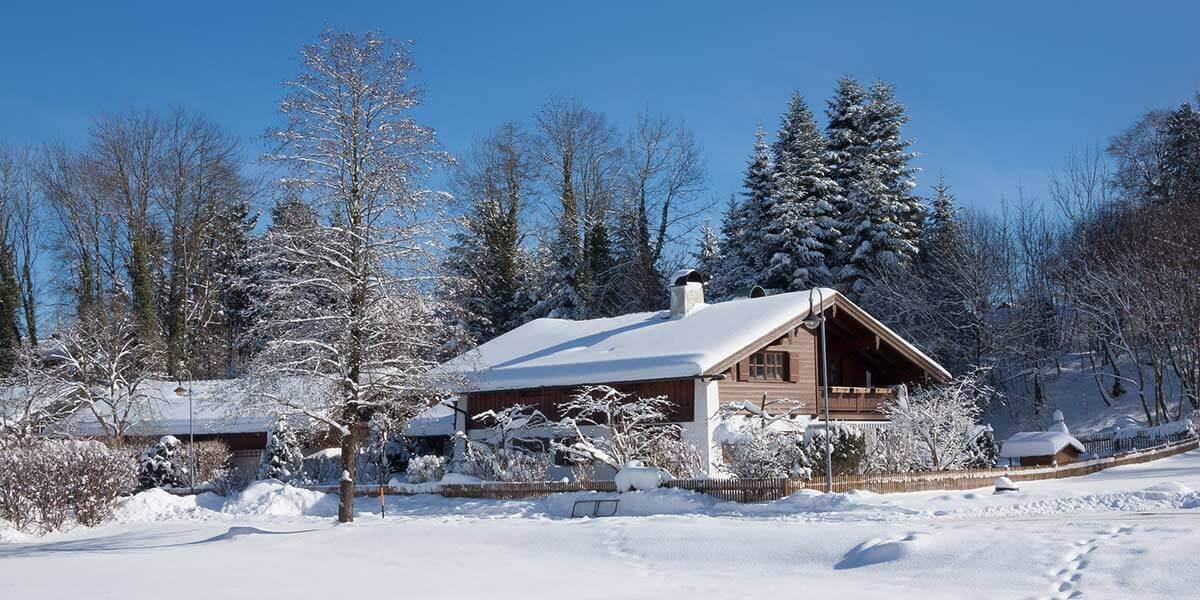
Indianapolis, Indiana is known for its southern hospitality, delicious barbecue, and great music. But earlier this year, the city broke a new record, and this time it wasn’t for being on the Billboard Top 100 List.
In February, the city made news when it received 4 inches of rain in one day! The epic downpour caused road and school closures due to widespread flooding concerns. These weather conditions are so rare in Indianapolis that they only occur once every 7 years.
And while temperatures in this part of Indiana are generally pretty mild, winter temperatures can drop on average to 28 degrees Fahrenheit. The cold temperatures combined with rain can create the “perfect storm” of wintry weather, which can cause some major damage to your chimney system. Therefore, it’s important to recognize any signs of damage to your property, so that repairs can be made quickly.
Understanding the Freeze-thaw Cycle
Freezing cycles followed by thawing cycles throughout the winter season can wreak havoc on your chimney. The damage caused by this cycle can affect your home in much of the same way that potholes ruin asphalt. When temperatures begin to drop, water penetrates the porous surfaces of your chimney. Once contained inside, the water freezes and expands. As a result, your masonry can crack and crumble.
Left unrepaired, these cracks can lead to greater, more costly damage to your chimney and home. Water can penetrate your chimney’s interior or compromise other aspects of your home’s structure.
Our chimney experts advise homeowners to have their chimney inspected at least once a year. It’s best to schedule your inspection during the springtime, because it is easier then to catch damage before extensive repairs are needed.
How to tell if my Chimney has Damage
When freeze-thaw cycles are occurring, you should keep an eye out for signs of possible damage. If you notice any of the following issues, your chimney may require repair:
- Crumbling mortar
- Loose or spalling bricks
- Cracked chimney crown
- Chimney flue tile pieces in the firebox
- Rusted chimney damper or fireplace grate
- Water-stained walls or ceiling near the fireplace
Now that you know what to look out for, let’s explore the most common types of chimney damage related to moisture:
Flashing Damage
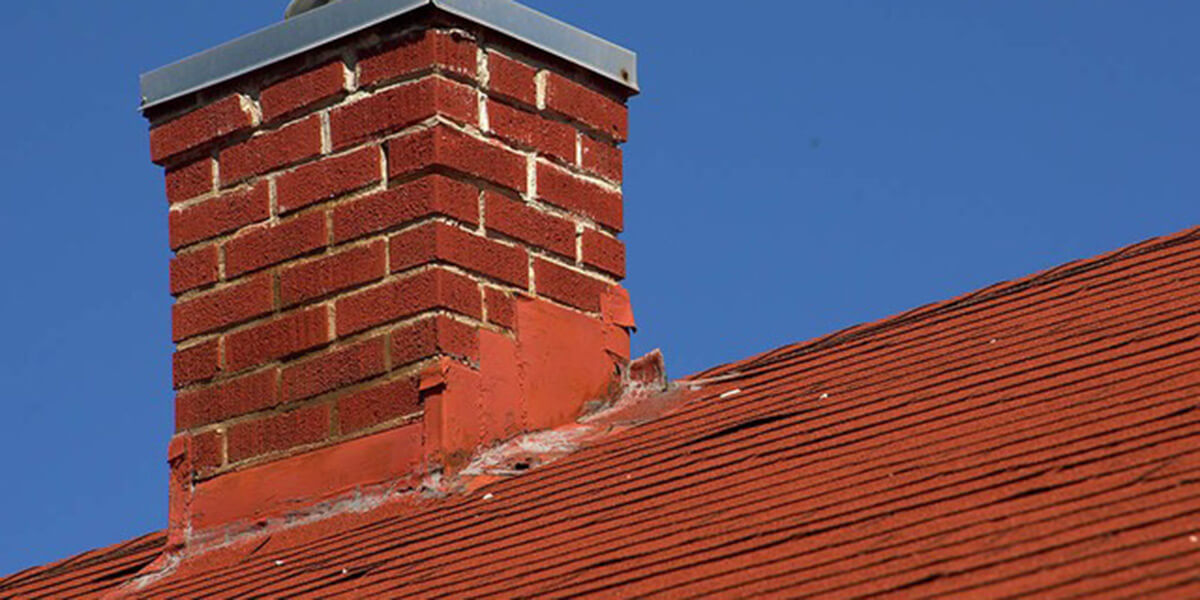
Your chimney’s flashing creates a watertight seal between the chimney and the roof. This important piece of metal isn’t very durable and should be checked regularly. Winter moisture could cause rusting, and even a tiny hole in the piece is enough to cause major damage to your home.
Deteriorating Mortar
Mortar on masonry chimneys doesn’t last nearly as long as the brick or stone. Over time moisture can wear away mortar and cause it to crumble and deteriorate.
Spalling
If you notice bits of broken brick around the chimney or on the ground below, this is a sign that moisture has entered the masonry and is causing it to flake. Freeze-thaw cycles are a common cause of spalling.
Chimney Liner
Moisture can completely destroy your chimney liners. When the moisture mixes with creosote and soot deposits, deterioration of the liner occurs rapidly. A damaged liner leaves your home vulnerable to destructive chimney fires.
Staining
White, green, brown or yellow stains are evidence of moisture in your chimney masonry.
Chimney Crown
The chimney crown at the top of the chimney is susceptible to damage caused by freezing temperatures. If the crown cracks, moisture can leak in between the flue and the chimney structure, leading to costly damage.
Unwelcome Little Critters
During the cold winter months, it’s not uncommon for animals to seek warmth inside a chimney. Sometimes, they aren’t able to make their way back out, which could unfortunately result in a dead animal (and a terrible smell) trapped in that space. This is especially concerning since wild animals may carry diseases, causing a threat to you and your family. Installing a chimney cap with mesh can prevent this type of problem from occurring.
If you notice any of these signs of damage, please don’t hesitate to contact Brick + Ember Outfitters. We will repair your chimney as quickly as possible, so that you can get back to enjoying your home.
How to Prevent Damage
There are some preventative measures you can take to avoid damage and protect your chimney from winter weather and water penetration. A functioning chimney cap prevents water from entering your chimney flue. Your chimney’s crown deflects water away from the exterior masonry of your chimney. Waterproofing your masonry chimney can help to further safeguard your home against water penetration.
If you are concerned about cold weather damage to your chimney, contact our masonry contractors at 317-500-1250 for a free inspection. We will help keep your chimney and your home in perfect health. You can feel at peace knowing that we offer excellent service at prices that won’t break the bank.
What Signs To Look For In A Damaged Chimney - Kourtney's Coffee Club
Cracks or popped bricks on your chimney? There are a few things to look for if you want to keep your house and fireplace safe.
From chimney inspection to outdoor design, Brick + Ember Outfitters help you have a safe home, create memorable experiences.
Kourtney’s Coffee Club:
Kourtney says he LOVES coffee and believes coffee helps create moments - moments around the fireplace, indoor or outdoor. He wants to share his love of coffee and fireplace moments with YOU... with a contest!
Enter Kourtney's Coffee Club online by sharing your pictures around the fire. Each month, someone will win a bag of coffee. At the end of the year, someone will win a fireplace facelift a $5,000 value!

What to Consider Before Completing a Chimney Rebuild
Your chimney is one of the most vulnerable parts of your Indianapolis home. The siding, brick, and all of the other components of the exterior are protected by the eaves and roofline, while the chimney alone protrudes above the roof and is exposed to every kind of weather—rain and snow, freezing and thawing, and even strong winds, which can all take a toll over time.
Exposure to the elements, heating and cooling, and of course the passage of time can cause damage to even the most solidly built chimney. Water especially is a major culprit of chimney destruction. The natural expansion and contraction caused by water turning into ice and then thawing can crack masonry and cause mortar to deteriorate and fall out. Over time, this allows water to flow down inside the chimney, where it will rust all the metal it meets, compromising its integrity, and can cause other damage to both the interior and exterior of your home.
Eventually, tuckpointing, a specific form of chimney maintenance, becomes necessary. Tuckpointing involves the removal of old, damaged mortar and its replacement with fresh mortar. If this process isn’t completed in time, accumulated wear and tear on your chimney can create the need for a total chimney rebuild.
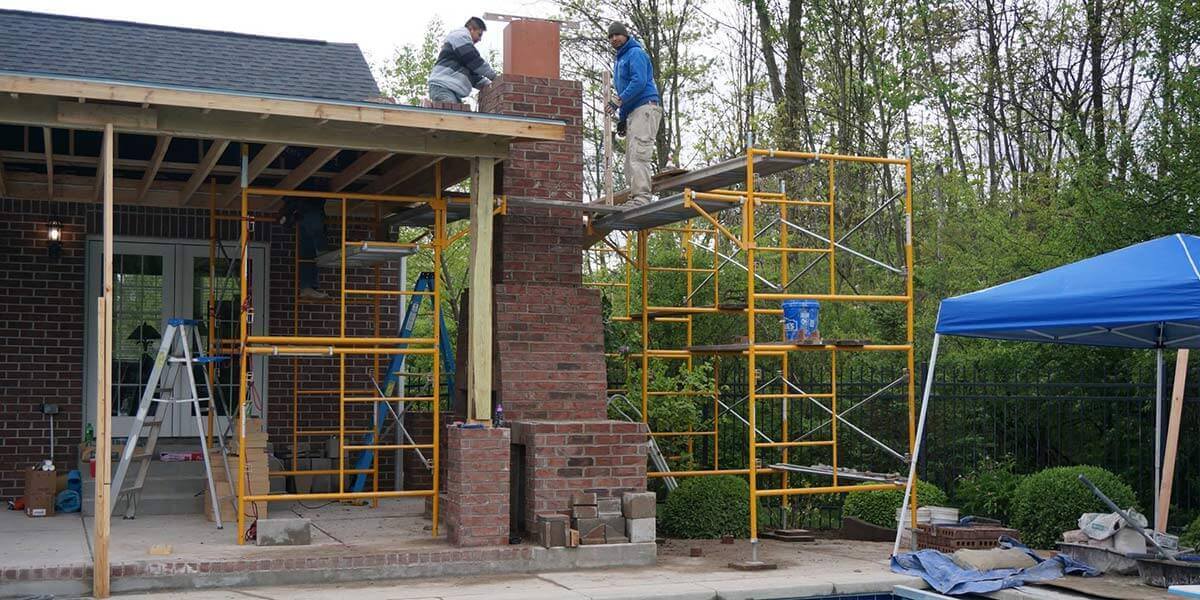
In the absence of proper preventative maintenance, a chimney’s masonry and mortar can deteriorate to the point where a complete—and costly—reconstruction becomes necessary. This process may involve the construction of scaffolding, demolition and removal of part or all the existing damaged chimney, and reconstruction necessary to ensure the rebuilt chimney meets all required building codes.
Brick + Ember Outfitters can help you guard against an extensive and expensive chimney rebuild process. To do this, we will apply a waterproofing agent that has been specifically developed to preserve and protect chimneys.
Chimney Saver, as this waterproofing material is called, is specially formulated to be vapor permeable—which allows air and moisture to escape from the brick and mortar of your chimney but prevents it from entering. Any water that may have accumulated in the masonry of your chimney can “breathe out,” but the waterproofing agent in Chimney Saver prevents water entry from the outside.
Chimney Saver is some of the best preventative maintenance available for your chimney, and the experts at Brick + Ember Outfitters in Indianapolis, IN would be happy to fill discuss its benefits with you. To schedule an appointment online with one of our experts, click here.
The Advantages and Disadvantages of a Gas Fireplace
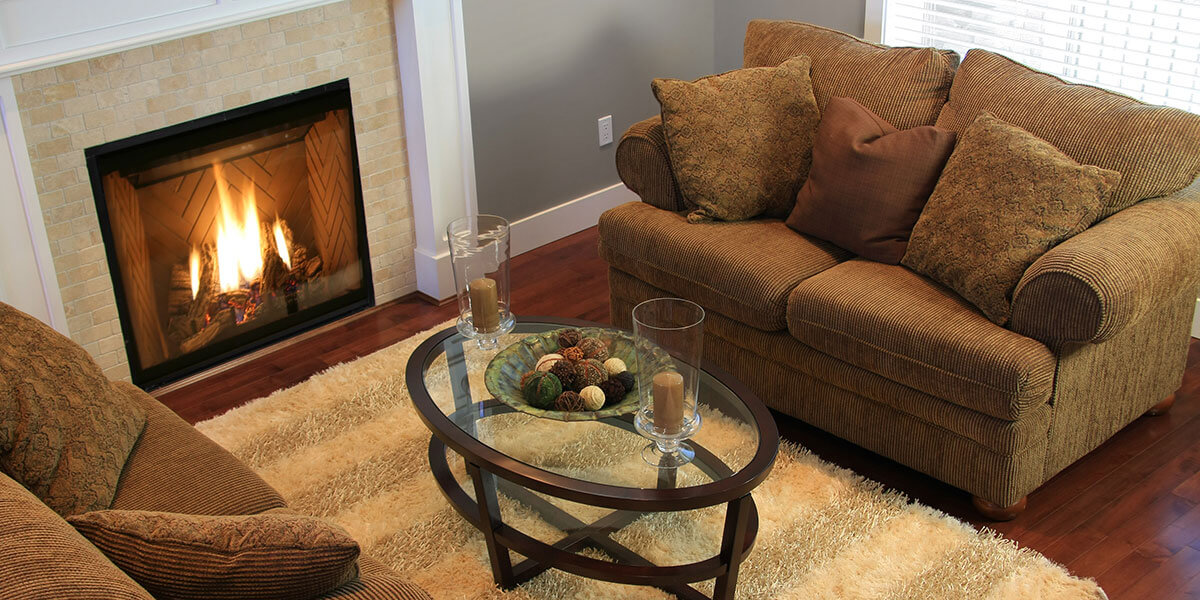
Fireplaces are a top amenity among homeowners. Gas fireplaces, in particular, have become more popular nowadays. They are safer and environmentally friendly. Below are some of the advantages and disadvantages of a gas fireplace that can help you determine whether they are right for you.
Advantages of a Gas Fireplace
Low maintenance
A gas fireplace needs minimal cleaning and maintenance. With a gas fireplace, there is no need to remove ashes and clean up debris from because it won’t produce ash. Cleaning should ideally be done at least once every year.
Offer efficient heating choices
With a gas fireplace, you can easily zone heat if you have the appliances installed throughout your house. You will be able to switch off the central heating system and turn on a gas fireplace in any chosen room.
Easy and convenient
You can quickly start your gas fire by touching or switching on a remote control or a thermostat. Just like that, you will have a magnificently warming heat coming for the gas fireplace.
However, before you choose the right model, make sure to get one that has a pilot light to enable you to light the fireplace even in the occurrence of a power outage.
Safer and environmentally friendly
A gas fireplace burns natural gas or propane and releases fuels into the atmosphere. The emissions are very low.
No burning restrictions
There have been several states that have banned wood burning fireplace; however, there has not been any ban on gas fireplaces.
Cost-effective
Installing a gas fireplace in your home is cheaper. Apart from saving on heating costs, you can choose a direct vent gas fireplace fitted with an IPI (Intermittent Pilot Ignition) system that has a pilot light always lit to use the fireplace. This, in turn, reduces more than half of the gas used. A vented gas fireplace can easily be converted to wood-burning fireplaces.
Disadvantages of a Gas Fireplace
- Propane is an expensive heating fuel. You will spend more on gas pellets than you would on wood to produce the same amount of heat.
- The cost of installing a gas fireplace may be higher especially if you want a gas line installed.
- No ambiance. There are no crackling sounds or smell produced by aromatic firewood.
- To install a gas fireplace in your home, you will need a natural gas connection or propane availability. Without these things, your options may be limited.
Need Professional Gas Fireplace Installation Services?
Are you’re looking for an efficient way to heat up your house? You will struggle to find a better choice than a gas fireplace. Choose the right gas fireplace and have a Indianapolis, IN professional chimney technician from B+E to install, inspect, maintain and clean your gas fireplace.
Beginners Guide to Gas Fireplace Maintenance
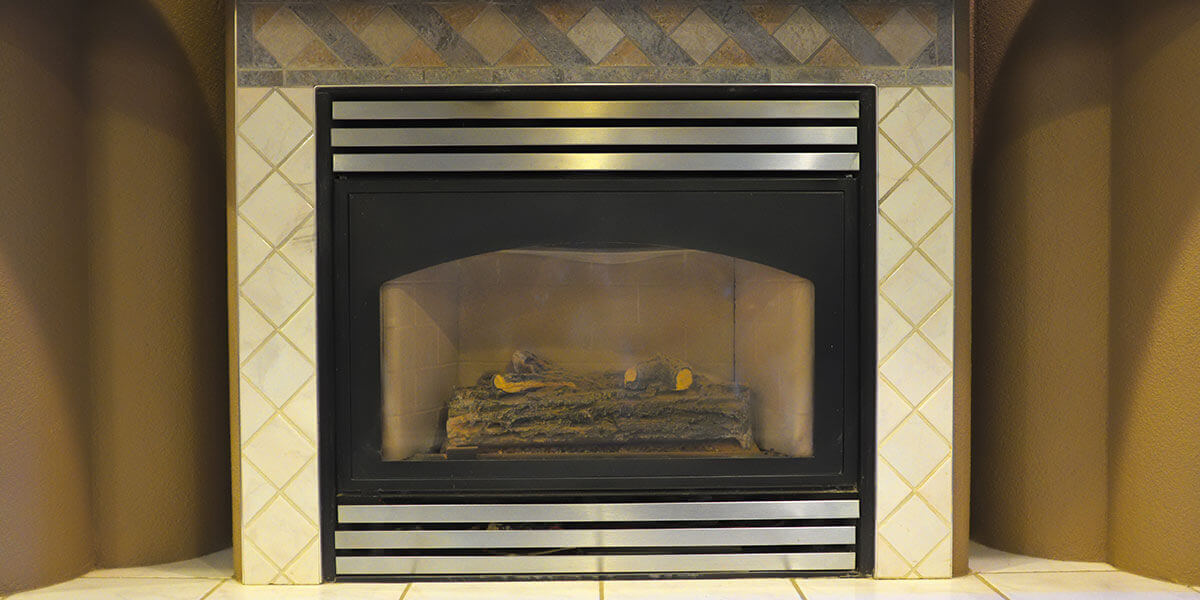
A gas fireplace is a lovely addition to any home. However, many people have no idea that just like wood-burning fireplaces, a gas fireplace needs maintenance too. With continuous usage, a gas fireplace gets dirty. To make sure that the gas fireplace functions properly, you should concentrate on gas log maintenance as well as the gas fireplace maintenance. Gas fireplace maintenance can be categorized into three groups: safety inspection, gas fireplace cleaning, and replacing the batteries.
Safety inspection
Compared to a wood burning fireplace, gas fireplaces are more convenient. However, some problems can arise, and that is why you should schedule a fireplace inspection. This safety inspection is to make sure that your fireplace is working safely and efficiently. A trained technician will check the burner, gas pressure and ensure that there are no leakages in the system. Never try to complete a safety inspection procedure on your own. Let a trained technician do it!
Gas fireplace and gas log cleaning
Over time, debris accumulates on the doors, inserts and the interior fireplace. Apart from improving the beauty value of your gas fireplace, cleaning increases the safety of the gas fireplace by eradicating fragment buildup. A fragmented and scratched glass should be cleaned or replaced. Deteriorating gas logs should be cleaned at least once a year. Use a soft brush to brush away any debris from the logs.
Never wash or even wet wipe the logs as they can fade or damage the finishing. Chimneys too need sweeping at least once annually. Letting a dirty vent go for a long time poses a significant threat to everyone residing in the house. Your local dealer will give you an owner’s manual that contains all the instructions for cleaning your gas fireplace.
Replacing batteries
A good quality carbon monoxide detector is necessary if you have invested in a vent – free gas fireplace. On the other hand, you can have your local dealer install oxygen –depletion sensors in your gas fireplace. This device is called the ‘safety pilot,' which spontaneously shuts the gas off if the temperatures in the hearth are too cold or if there has been much carbon monoxide accumulation. All these devices use batteries which should be replaced at least twice a year.
Faulty Internal gas fireplace parts like the pilot light can become hazards. Schedule an inspection at Gas Fireplace Maintenance, Indianapolis, IN before lighting it up. To get professional help, visit Brick + Ember Outfitters or call (615) 645-3545 today!
What Is Involved in a Chimney Sweep?
We sometimes get questions about why it is important to get your chimney swept. Regular chimney sweeps offer many benefits, including preventing a chimney fire, protecting your health and avoiding smoke damage. Chimney sweeps will clean your chimney, pipes, fireplaces and ducts to ensure that your chimney is clear of debris or other obstructions that could catch fire or prevent the smoke and other gases from venting properly.
The Importance of Cleaning your Chimney
Everyone enjoys a cozy evening in front of the fireplace. But before you throw a log on, make sure your fireplace is safe for you and your family. Cleaning the chimney helps to prevent soot fires.
If your fireplace has an excessive amount of soot, you are at risk of exposure to poisonous gases that are bad for you and the environment. Carbon monoxide, a gas produced anytime fuel is burned, can cause harm even at low levels.
If this gas is allowed to buildup in your fireplace, the consequences could be deadly. Having your chimney examined and swept helps keep your flue clear and functioning properly.
How Often Should you get the Chimney Swept?
How often you should clean your chimney depends on how often you use your fireplace. The National Fire Protection Association recommends that chimneys, fireplaces and vents are inspected annually to identify signs of deterioration and other potentially dangerous conditions.
What to Expect
On average, a thorough cleaning should take between 45 minutes to 1 hour. However, every flue is different and may vary depending on the condition of your fireplace and chimney. Prepare for your appointment by ensuring that the technician has easy access to the area. This means removing any décor or clutter that may be in the way.
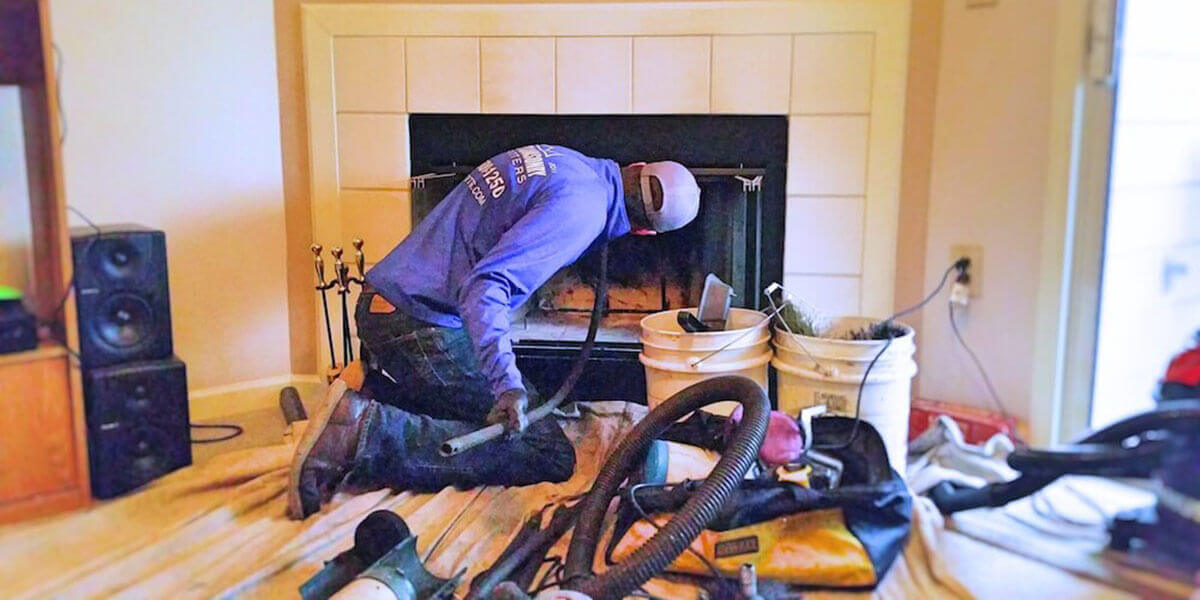
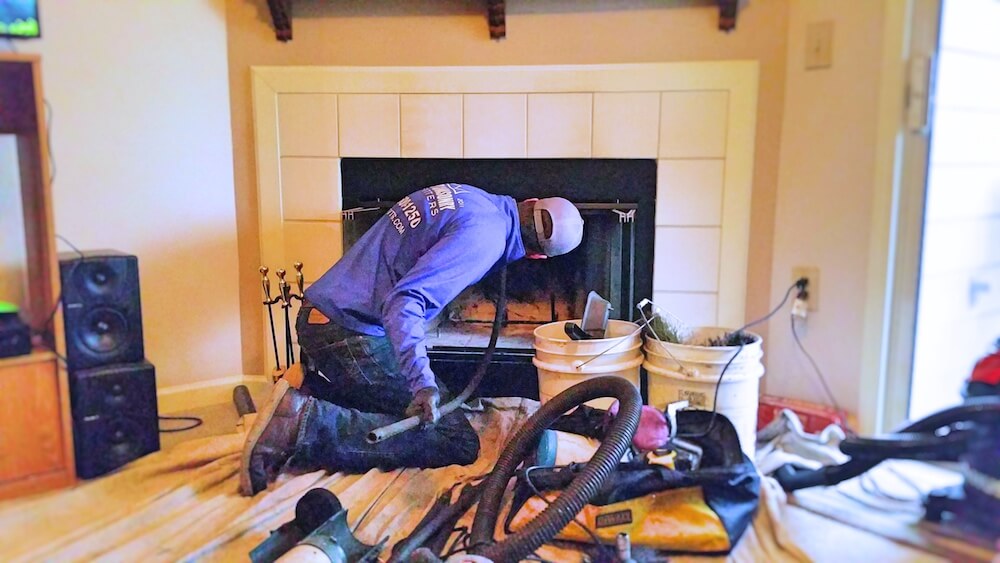
Upon arrival, your technician will assess the condition of your chimney. After surveying the job, he or she will secure the work area and lay down a drop cloth to protect your home from ash, soot, and dust.
Your sweep will then perform a routine cleaning, using a brush to clean the interior of your flue. The cleaning may be done from below or from your roof.
When the technician is finished, all of the soot will be removed from your system using a vacuum or shovel. Your sweep will then report on the condition of your fireplace and chimney and inform you if there are any additional potential hazards that were found.
What Services does Brick + Ember Outfitters Offer?
In addition to providing chimney sweep, chimney relining, and restoration services, Brick + Ember Outfitters performs masonry repair; fireplace maintenance and replacement; design services and more! You can view our full list of services HERE.
Ready to Make your Appointment?
Brick + Ember Outfitters services the greater Indianapolis area, now including Carmel and Fishers. Our offices are open Monday through Friday from 7:00 AM – 5:00 PM. If you would like to request an appointment, please call us at 317-500-1250 and a member of our team will be happy to assist you.
6 Questions to Ask Before Installing a Gas Fireplace
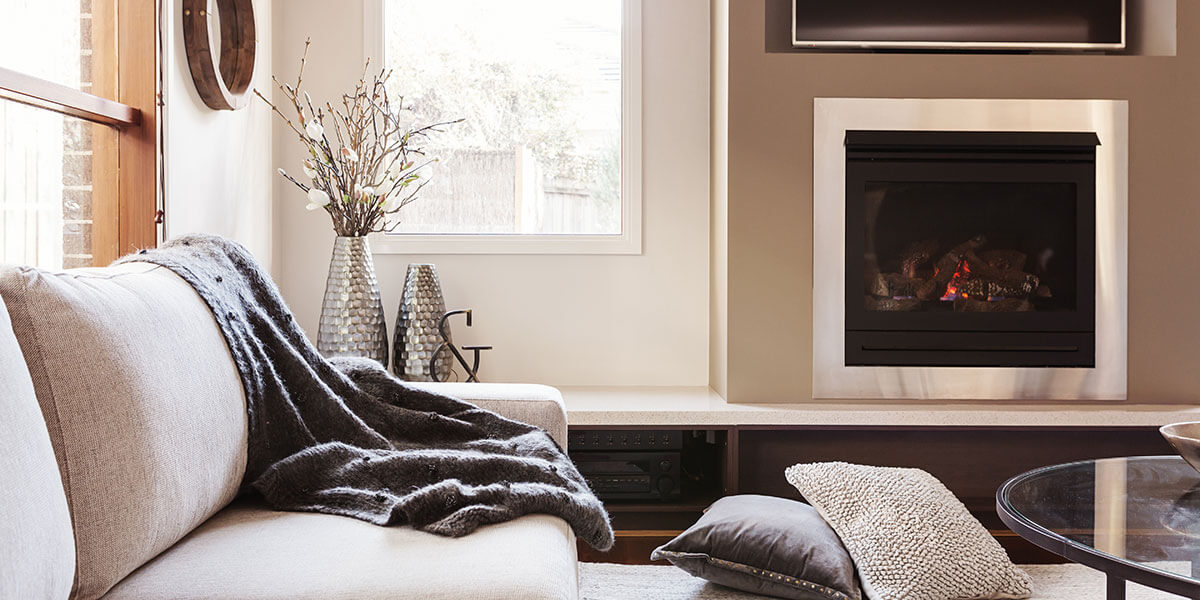
Put the word out on the street that you hope to install one, and you will come to quickly realize that gas fireplace installation is all the rage in these modern, eco-friendly times. Because they burn cleaner, require less maintenance, and don’t utilize wooden logs (which is sure to disappoint the children), many new homes constructed with a gas fireplace.
Now that your interest is piqued, undoubtedly you have some questions. Maybe you have many questions but aren’t sure which to ask first. Perhaps, even, you don’t have any questions but, after reading this, you feel you probably should. Consider the following a template, a quizzical kickstarter, for what to ask when you decide to make the leap to the state of matter that some find to be the new state of fireplaces.
1. What’s So Great About Gas Burning Fireplaces anyway?
The benefits mentioned above are but the tip of the iceberg, if you will. However, just as with a traditional wood burning fireplace, a gas fireplace will have its upsides and downsides. So, how is a homeowner to decide? Naturally, it is best to stop into a showroom to look at the selection. There, you can ask a gas fireplace expert to help you determine what type of fireplace will best suit your needs--whether you want your long cold winter nights warmed with ease and convenience, or if you’d prefer to send little Junior out for kindling.
2. Seems Easy, But Will a Gas Burning Fireplace Work for My Home?
So, you’re sold on the many benefits afforded by choosing to go wood free, now what? It’s really important to pick out a style that will suit the design concept and architecture of your home. Going gas is a big commitment, so it would behoove you to have an idea of what you want ahead of making your decision. Browsing the internet is fine but it’s always best to stop by the showroom of a local professional as they are going to have a good idea of what is popularly used in homes in the area.
3. I Like It, but How Much is This Going to Cost Me?
This is where we get down to brass tax. Different fireplaces, obviously, are going to have different price tags attached. Finding one you love that aesthetically fits within your home is hard enough without factoring in the money.
Does your dream fireplace fit your budget? Can you go up and, if so, by how much? If not, is there a different style that can fit your budget while still standing out as the centerpiece during those famous winter holiday gatherings? A little leg work upfront will go a long way in determining a figure you and your gas fireplace specialist can work with.
4. Works for My Budget, How Long is it Going to Take to Install?
Dollars are one thing. Discomfort to your family is quite another. Different fireplaces are going to have different time frames, when it comes to installation. Additionally, you need to consider whether or not this is a brand-new installation, or if you’re replacing an existing wood burning fireplace. These are just a few things to keep in mind if you’re contemplating making the jump from “what are we going to do with this big empty wall” to “honey, let’s start a fire and watch a movie.”
5. What Am I Looking at Long Term?
Gas fireplaces are great and, as mentioned above, have some things you will want to keep in mind for the short term. Don’t forget to factor in the long term, though, as there is bound to be some upkeep costs in your future. Like wood burning options, gas burning fireplaces require a chimney that will need to be cleaned.
Likewise, many will require yearly check-ups to ensure the safety of your home and family, as well as being subject to normal, everyday wear and tear. Consult a professional for more information on what being the proud owner of a gas fireplace will look like moving forward.
6. What’s the Bottom Line?
Choosing a gas fireplace installation over a wood burning fireplace is usually an easy decision, but not always. Making a selection, purchasing, and installing one of these is not without its share of questions. Hopefully, this small sampling of inquisitions will lead to a more curious approach. Take some time to do a little homework and go visit a local professional for all that may be boggling the mind. It will save you time, money, and maybe even a little hassle.
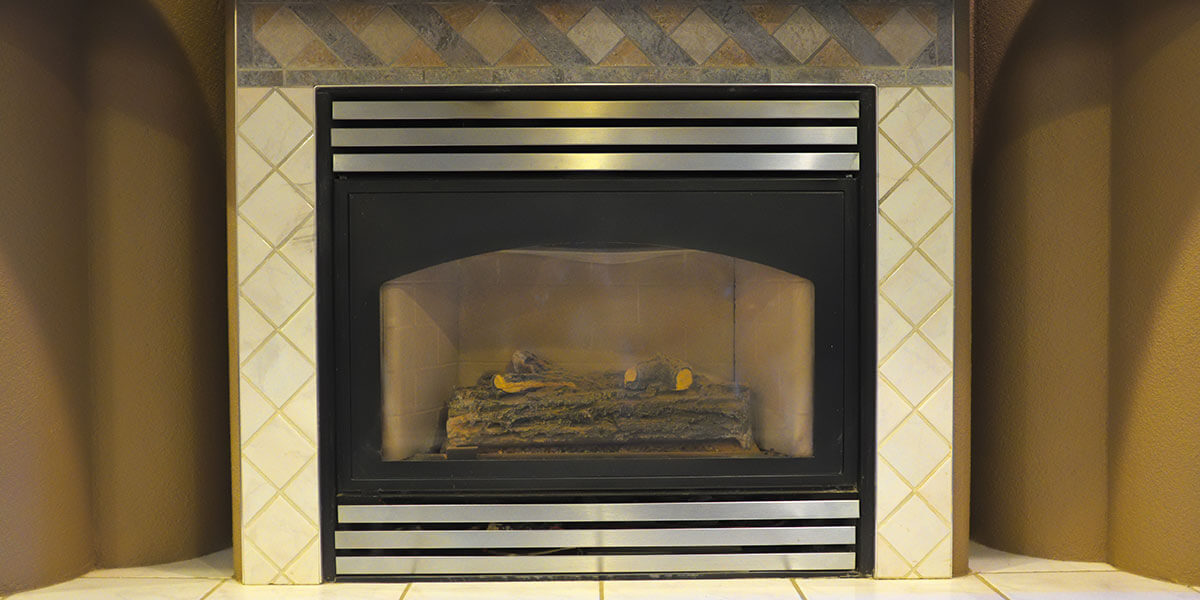
Can I Install a Gas Fireplace Into Existing Chimney?
Yes, you can easily add a gas fireplace insert into your existing chimney. In fact, a fireplace insert is an appliance designed to fit into an existing fireplace. Inserts are usually cut in various sizes to suit your preferences and needs. However, before you spend thousands of dollars on an insert, evaluate the pros and cons of gas fireplace installation inserts below.
Advantages of a Gas Fireplace
Efficiency
Gas logs and inserts are convenient, as you can turn them on with a flip of a switch. Some come with remote controls, which allow you to turn them on from the comfort of your couch. Some also come with timers that control the amount of fire burning at any given time.
Economical
Gas fireplaces burn natural gas and propane just like a traditional wood fireplace. However, the glass doors enhance the conversion of most of the fuel into usable heat, preventing significant heat loss. The heat generated remains inside the room rather than vanishing through the chimney. The fans preinstalled in the insert control the amount of heat entering the room.
Safety
Unlike traditional fireplaces, which need a flue through the roof, gas fireplaces are vent free. This means that they eliminate the need for back drafting, since they can be placed anywhere in your house and fitted with fire-caulked flange for additional safety. The vent free technology that comes with inserts clean the air leaving the combustion chamber, so your home does not have the smell of wood burning.
Simplicity
Gas fireplaces are hassle-free and straightforward since you only need to purchase the fireplace insert. This saves you the time to gather firewood, set up, and extinguish a fire after use.
Disadvantages of a Gas Fireplace
While a gas fireplace may seem like the perfect addition to your home, understand that one might not be the best fit in every situation. Below are a couple reasons you might think twice about investing in one:
- Oxygen depletion sensors fitted into the gas inserts turn the fire off when they detect the presence of excess carbon monoxide emissions in your house. While this is a safety precaution, it can be disturbing particularly in the cold weather when there are guests and power outage.
- Not all buildings allow the installation and usage of gas inserts. You have to be cautious and check the codes and rules of the building before installing them.
- In order to dry off all the natural gas, unvented fireplaces are extremely hot, as there is no chimney for the outflow of smoke. In a homestead where there are children and pets, you have to be careful as these fireplaces can cause irreversible accidents.
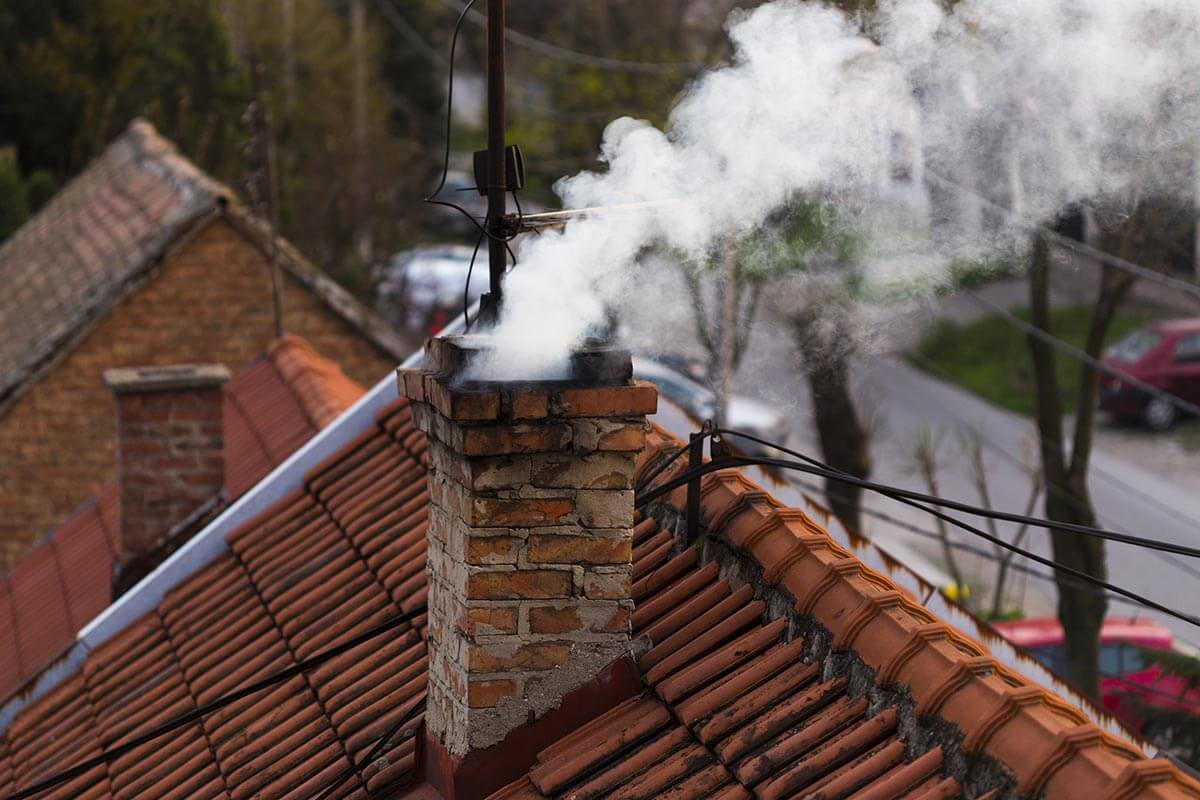
The Effects Freezing Temps May Have On Your Chimney - Kourtney's Coffee Club Giveaway
Out of sight, out of mind? We don't always pay attention to the little things, and they can often lead to bigger things.
From chimney inspection to outdoor design, Brick + Ember Outfitters help you have a safe home, create memorable experiences.
Kourtney’s Coffee Club:
Kourtney says he LOVES coffee and believes coffee helps create moments - moments around the fireplace, indoor or outdoor. He wants to share his love of coffee and fireplace moments with YOU... with a contest!
Enter Kourtney's Coffee Club online by sharing your pictures around the fire. Each month, someone will win a bag of coffee. At the end of the year, someone will win a fireplace facelift a $5,000 value!