
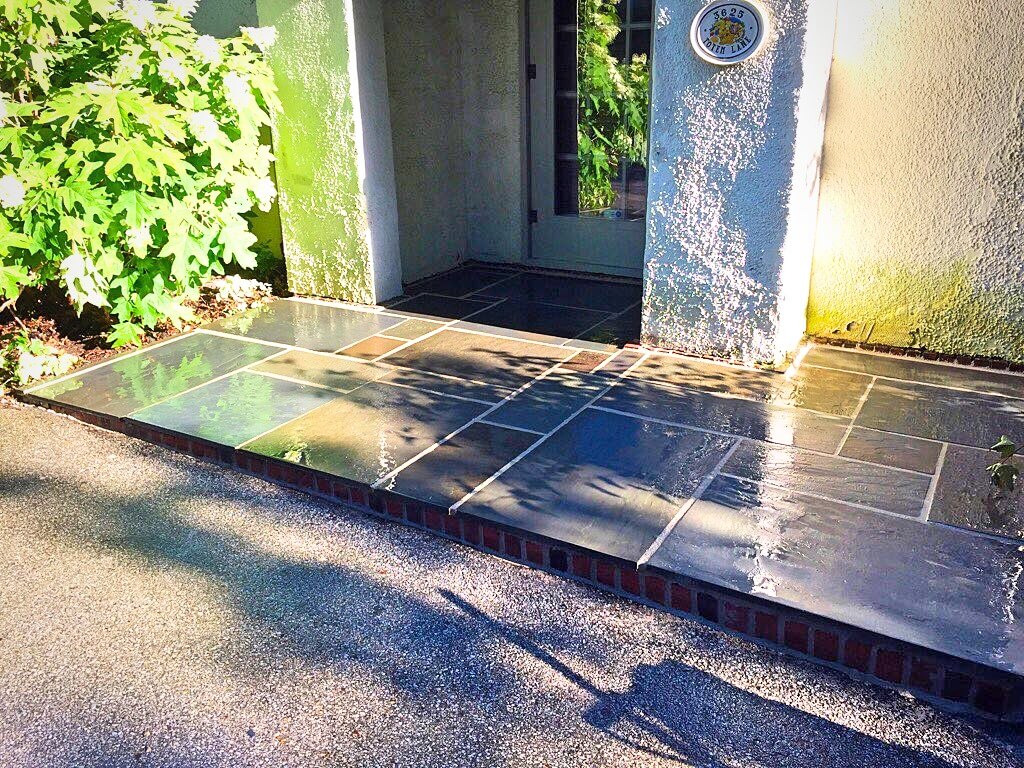
Choosing the Right Material for Your Patio
Summer is the time for outdoor gatherings and neighborhood cookouts. However, this increases your exposure to other people’s patios, and patio envy sets in. You may decide that you’re ready to invest in your own patio to enjoy this summer. But what material do you choose to build your patio? Concrete or stone? Brick or pavers? It’s a significant choice. We’ve put together a guide evaluating these materials to help you make this decision and build the right patio for you. Read more


Make Your Masonry Patio Spotless for Summer
It’s patio season in Indiana! These warm, long summer days provide the perfect opportunity for gathering outside. Whether you’re having a cookout, hosting a garden party or just enjoying an evening outside with family and friends, you want your masonry patio to look its best. Chances are your patio has accumulated some dirt, mildew or other build-up over the winter months. The following are a few tips for cleaning your masonry patio so that it’s ready to shine this summer.Read more

5 Up-and-Coming Suburban Neighborhoods in Indy
Last month, we wrote a blog post on 5 Up-and-Coming Urban Neighborhoods in Indy. The post examined — in light of Indianapolis’ recent housing market boom — some of the burgeoning neighborhoods near the city center. In this month’s post, we move out to the burbs for those looking to enjoy the advantages of Indianapolis from a slightly removed locale. For buyers in search of the perfect family home, or just a personal suburban oasis, the following are some promising neighborhoods to explore.
Carmel
Located due north of the city, Carmel is Indianapolis’s largest and perhaps best-known suburb. Admittedly, Carmel is not exactly “up-and-coming” as its low crime rates and high median income have always been compelling for homebuyers. However, more recently, Carmel has made itself attractive to younger millennials and professionals in addition to more established families. The suburb is not just a sleepy little town. Carmel has recently undertaken public projects like the Art and Design District and the Monon Community Center. Located near the city center, the district offers countless events: gallery walks, performances and more. The community center expands fitness opportunities along the Monon Trail for residents. With these and other projects, Carmel offers peaceful suburban living with some of the excitement of downtown.
Fishers
Another northern suburb, Fishers has experienced significant growth in the past decade and now rivals Carmel as one of the most desirable places to live. The suburb features top-notch schools and hospitals, as well as an incredibly low crime rate. In addition, Fishers offers several cultural attractions. The nearby Klipsch Music Center, a large open-air venue, draws major concert acts from all popular music strands. The Conner Prairie Interactive History Park is an impressive living history museum that recreates 19th century daily living in Indiana. Geist Reservoir provides opportunities for fishing and water sports, while Hamilton Town Center offers great shopping. All-in-all, Fishers is an attractive and vibrant hub of suburban living.
Zionsville
Located near the northwest corner of Indianapolis, Zionsville is perhaps the perfect destination for homebuyers in search of historic, small-town charm. Downtown Zionsville is known for its brick streets, period architecture and excellent shopping and dining. The abundant farmers market in the village is a Saturday event. In addition, Zionsville boasts a low crime rate, a high median income and truly stellar schools. Unsurprisingly, this quaint, family-friendly suburb attracts many homebuyers with children.
Brownsburg
On the northwest border of Indianapolis, Brownsburg has seen a recent influx of industry and is poised for continued growth; residents have benefited from a very low unemployment rate. The suburb is home to a warm, close-knit community of people that many homebuyers seek to join. Brownsburg also offers several recreational opportunities, including parks, golf courses and the B&O walking trail. The suburb borders Eagle Creek Park, a wonderful place for fishing, sailing, hiking, bird watching and zip lining. Brownsburg offers homebuyers the promise of modernization with small-town charm — the best of both worlds.
Westfield
To the north of Carmel and Fishers, Westfield has been aggressively growing and is now home to more than 37,000 residents. The suburb features shopping, parks, gardens, golf courses and even a children’s museum. In addition, Westfield recently built Grand Park, a massive multi-sport facility. The sports campus is still growing and plans to incorporate dining, retail and entertainment venues as well. This attraction is projected bring in millions of visitors and many more homebuyers in search of a suburban haven near Indy.

Meet Sheldon and Vince!
Meet Sheldon and Vince: B+E's Outfitters of the Month for June.


Sheldon and Vince have been working together at Brick + Ember Outfitters since 2013. As they progress, they are perfecting their craft and taking on heavier masonry jobs. Sheldon has consistently gone the extra mile to provide excellent service no matter the cost and is always looking to improve and grow in his position. Vince takes tremendous pride in his work. He is constantly dedicated to quality and thinks outside the box looking for the best way to provide it. We have heard countless reports from our homeowners of their knowledge and professionalism and we are proud to have them as part of our team.
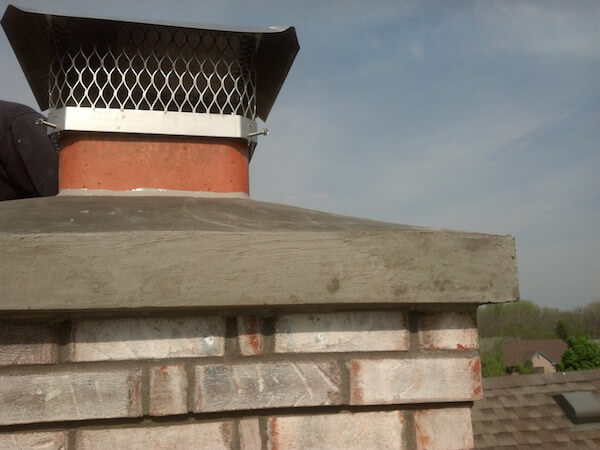
Chimney Swifts: How to Handle These Summertime Visitors
Chimney Swifts are as fond as your chimney as you are (perhaps even more so) and could be planning a visit quite soon. As a chimney owner in the Indiana region, it is important that you are informed about these birds, their nesting patterns and the safety procedures to carry out if/when you encounter them in the coming summer months.
About Chimney Swifts
These peculiar little birds (often described as looking like “cigars with wings”) spend almost their entire life in flight; they cannot perch upright when they land and must cling vertically to trees or walls. Pre-industrialization, Chimney Swifts nested and roosted mostly in hollow trees and caves. As their natural habitats were destroyed, these adaptable birds found satisfactory substitutes in chimneys. Chimneys serve almost as man-made replicas of the Chimney Swifts’ hollow nesting trees.
In the summertime, Chimney Swifts return from South America and migrate back to Indiana and the eastern United States for their breeding season. Breeding season is nesting season, and these birds will be making their homes in any available chimneys. Most homeowners install chimney caps (something we advise you to do), which prevent the invasion of these and other creatures. However, if your chimney does not have a cap, you may find a family of Chimney Swifts has moved in with you for the summer.
Removal
If you find that Chimney Swifts have housed themselves in your Indiana chimney this summer, consider hosting them for the time being. Typically, their eggs will hatch, you will experience some noisy young fledglings and then, within about two weeks, they will remove themselves. At this point, you can have your chimney swept and install a chimney cap to avoid housing other creatures in the future.
If you have some Chimney Swift boarders and are not feeling particularly hospitable, do not attempt to disturb them or remove them yourselves. Chimney Swifts are protected by the federal government under the Migratory Bird Treaty Act. The statute makes it illegal to disturb the birds, their young, their eggs or their nests during the breeding season. These birds are beneficial to the environment and helpful insect eaters. Their numbers are in decline, and it’s important to avoid harming them.
Only a professional with a permit can safely and legally remove the birds and nests. Contact your local animal control services or Humane Society to request professional advice and help with the removal of the Chimney Swifts. Once the Chimney Swifts have left your chimney — either on their own or with a professional — it is important to have the chimney swept, cleaned and capped to prevent any further altercations with the birds or any other creatures. Don’t worry; these birds will not be left homeless. Members of the Chimney Safety Institute of America, National Chimney Sweep Guild and other organizations construct nesting towers to provide more suitable housing for the Chimney Swifts. Chimney sweeps are fond of Chimney Swifts and want the birds and chimney owners to be safe and happy.

5 Up-and-Coming Urban Neighborhoods in Indy
The housing market in Indianapolis began to rebound about three years ago. However, recently the market has boomed to incredible heights. Urban Indy neighborhoods that were once deteriorating are undergoing waves of revitalization. Young professionals, new families and empty nesters alike are seeking homes near the excitement of downtown living. While the Chatham Arch & Mass Ave, Broad Ripple Village and Fountain Square areas have experienced consistent and growing popularity, new trendy pockets are appearing on the Indianapolis map all the time. The following are five, slightly lesser known, up-and-coming neighborhoods for real estate buyers interested in a modern, urban lifestyle.Read more

Chimney Leaks: Prevention and Repairs
As a homeowner, you understand the seriousness of the words “water damage.” In fact, that phrase might even physically repulse you. If your basement was flooded, if your ceiling was leaking, if any other area of your home was suffering water damage you would act immediately to repair that damage and prevent future problems. Why, then, do we not feel the same sense of urgency and diligence when it comes to our masonry chimneys?Read more

Preparing a House for Sale
Every seller wants his or her home to sell for a good price and as quickly as possible. However, that won’t just happen on its own. To achieve this requires careful preparation and a lot of work. Too many sellers fail to make any changes to the property and are then left sitting on the market for weeks. If you’re thinking of taking advantage of the spring/summer season to sell your home, the following tips should help make it a marketable gem attractive to buyers.
Be Objective
The first step is to stop thinking of the property as your home. Your home is now a house for sale, and your wonderful new home is waiting for you somewhere else. Of course you are sentimentally attached to those curtains you put up when you were first married and that painting your child made at school. However, you must put that sentimentality to one side and look at the property objectively. What are the house’s strengths and weaknesses? What is appealing to you, and what will be appealing to potential buyers? You want buyers to be able to imagine themselves in the space, and that will require removing some of your own personality from it.
De-personalize
Speaking of personality, the first step is to de-personalize your space. Pack up all your personal photos and memorabilia. You want buyers to be able to imagine their own photos on the walls. In fact, you may find it useful to rent a storage unit in which to keep some of your belongings and furniture while you stage your house for sale.
De-clutter, De-clutter, De-clutter
This is perhaps the most important step. Clutter is a natural part of any home — shoes by the door, children’s toys strewn about the floor, clothes you haven’t managed to put away just yet. However, clutter is a turn-off; it makes buyers think of cleaning and distracts from the attractive features of any space. Find new units of organization and put any excess items into storage.
Make Repairs
Touch up any chipped or marked areas of paint. Consider repainting any bold room in a more neutral color. Replace cracked tiles. Patch any holes. Fix leaky faucets and jammed doors. Replace every burnt out light bulb. Essentially, take care of any cosmetic needs the house may have. The buyers will notice.
Clean
Make sure you perform a deep cleaning of the house. Have carpet stains removed. Wash windows inside and out. Replace dirty grout. Pressure wash sidewalks and decks. Organize the closets, cabinets and fridge. Replace any dingy towels, carpets or bedding. Scrub and polish every surface. In addition to the deep cleaning, make sure you touch-up with vacuuming and dusting every day to keep everything looking it’s very best. You might even consider hiring a cleaning crew for some extra help.
Landscape
Don’t forget to pay as much attention to the outdoors as you do to the indoors. Your lawn is the first impression buyers will have of your house, so curb appeal is critical. Weed. Plant flowers. Mow the grass. Repaint the front door and shutters. Give the property a nice face-lift.
Stage
Lastly, you want to add the finishing decorative touches to ensure that buyers will love your space. Make sure that every room has a defined purpose — whether or not you actually use the room for that purpose. Try to make every space look as big and bright as possible. Remove much of the furniture to storage. Draw back the drapes. Add some mirrors for the illusion of even more space, and try to stick to a light, neutral color scheme. Then, add the finishing touches. Bring in plants and fresh flowers. Scented candles add a nice touch. You could even bake some cookies!
All of this may seem like a large investment of time, effort and even money. While that is true, it is worth putting in the work and preparation to make your house look its very best. You will be more than rewarded when a buyer falls in love and makes you the offer you deserve!
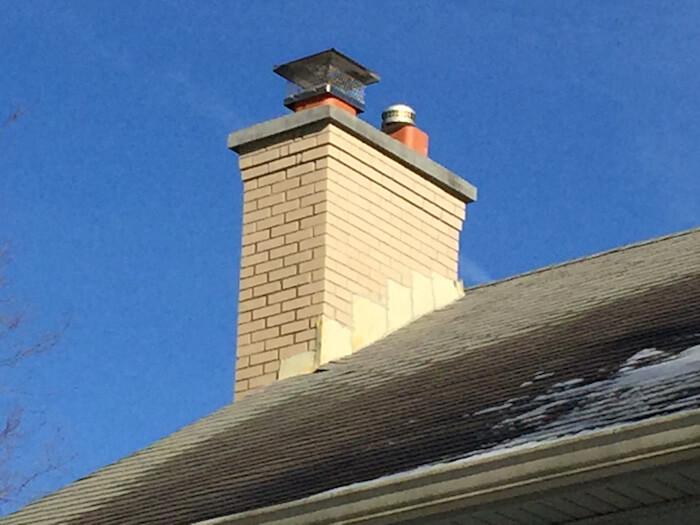
Poultice Creosote Remover: A Handy Product to Help Keep Your Chimney Clean
Where there is a chimney, there is creosote. This black, tar-like residue is an inevitable byproduct of wood burning. Creosote builds up in the chimney flue over time, so it is important that it be cleaned and removed regularly. The substance is highly combustible and could potentially lead to dangerous flue fires.
First and second-degree creosote is a powdery substance that can be brushed clean with a professional chimney sweep. However, third-degree creosote develops into a hard glaze that cannot be removed with even the highest quality brush. A rotary head with chains is capable of removing the creosote, but that method is dangerous and can damage the flue itself. In fact, when homeowners are faced with this problem, many opt to simply remove the flue liner rather than attempt to remove the glaze itself.
Poultice Creosote Remover is a fairly new product that helps get rid of the headaches of third-degree creosote. This chemical product produced by Saver Systems safely and effectively removes the glaze with little inconvenience. When applied, Poultice Creosote Remover dissolves and absorbs the creosote, breaking down its strict adhesion to the sides of the flue. Most of the creosote then falls down from the flue, and any remainder can easily be brushed off with a normal sweep.
This revolutionary product eliminates the necessity of other, more dangerous and destructive removal methods. It is certainly a great help to chimney owners and chimney sweeps. However, third-degree creosote build-up should be avoided, if possible, in the first place. Regular chimney maintenance and cleaning can help prevent extreme build-up and is critical for every chimney owner.
Chimney & Masonry Outfitter can provide regular maintenance for your fireplace and chimney. Our professionals can remove creosote build-up, of any degree, particularly with the help of Poultice Creosote Remover. Call today to set up a regular maintenance schedule.

Different Types of Chimney Dampers
Chimney dampers either open your chimney to or seal your chimney from the outside elements. They serve as a sort of “gateway” between your home and the outdoors. When your fireplace is in use, an open chimney damper ensures a proper draft and the ventilation of smoke. However, when your fireplace is not in use, it is important that your chimney damper seals properly in order to keep heating and air conditioning from leaving the house. This blog explores the different types of chimney dampers. That way, you can choose the right damper to protect you from unwanted drafts and “sky-high” heating and cooling bills.
Dampers are either located at the top of the chimney or at the throat just above the firebox. Traditional masonry fireplaces typically have a cast iron throat damper. However, these traditional cast iron dampers do not make for great sealers. The metal of the damper on the metal of the frame allows some air to flow to and from the house. This problem only gets worse after several years of corrosion. There are a few kinds of aftermarket chimney dampers that can supplement a traditional cast iron damper and effectively seal the home from unwanted airflow.
Chimney Top Damper
Top mount chimney dampers are located at the top of the chimney. These dampers serve as both a protective chimney cap and an energy-saving sealer. They consist of a metal cap or gate that opens and closes by means of a steel cable and lever inside the fireplace. These dampers usually have silicone rubber gaskets to provide leak-proof seals and metal mesh guards to prevent animal entrance. These dampers are durable and provide a seal for the entire chimney flue. However, their metal components may experience some weathering over time, and they can sometimes slightly restrict the flue, preventing a proper draft. In addition, top mount dampers can be somewhat more expensive than other types of dampers and can be more difficult to install.
Throat Dampers
Throat dampers are installed at the lower end of the chimney flue — either below or above the original damper. These dampers consist of inflatable seals that fill up like a balloon to plug the flue and deflate when the flue needs to be open. Inflatable throat dampers are typically less expensive and easier to install than top mount dampers. They come in many sizes and are easily “adjustable” to different flues. They are also very easy to use. However, throat dampers do not prevent animals, leaves and other unwanted outdoor souvenirs from entering the flue. Furthermore, inflatable dampers can be punctured or easily forgotten about when starting a fire.
Seals for Metal Fireboxes
As opposed to built-in masonry fireplaces, pre-fabricated metal fireplaces have front vents and flue pipes with flapper valves for opening and closing. However, especially over time, these valves do not always seal perfectly well. Additionally, the front vents can sometimes allow unwanted airflow. The solution for these metal fireplace problems is magnetic covers for both the vents and the valves.
There are different advantages to each type of damper and choosing the right one for your home depends upon your specific needs and preferences. Whichever damper you choose, professional installation will ensure that you successfully seal your flue and your home. Don’t hesitate to contact your friendly neighborhood Chimney & Masonry Outfitter for any assistance in selecting and installing the perfect damper for your fireplace.