
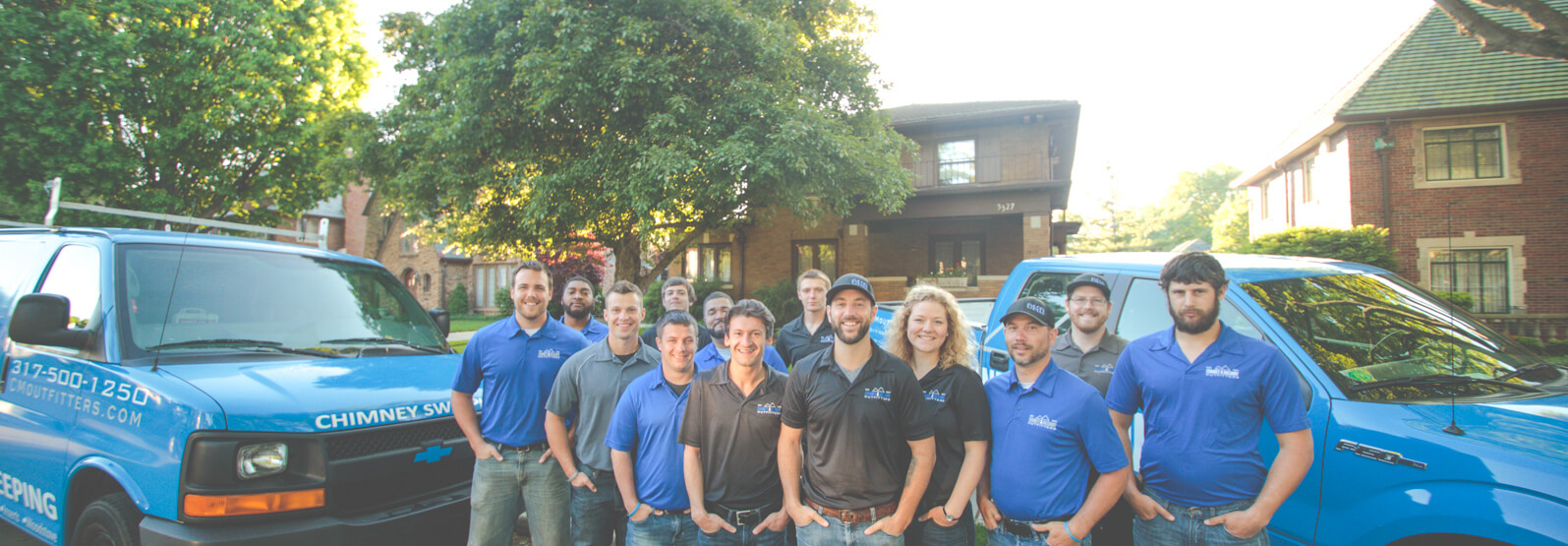
Meet Troy!
Meet Troy: B+E's Outfitter of the Month for January!
 Troy is one of our Chimney Outfitters. He has been with Brick + Ember Outfitters since 2014. He is certified in gas and hearth troubleshooting and is a CSIA certified chimney sweep. Troy has an incredible ability and willingness to shift to where he is needed and has spent countless hours thinking not only for his position but for the company as a whole as we continue to grow. Troy and his family currently reside in the Indianapolis area.


2017 Home Show
From all of us here at Brick + Ember Outfitters, A Happy New Year to our Indianapolis Homeowners!
2016 looked like quite the mixed review from the social media sphere, so we wondered if you might be looking for a little inspiration to get going this year - most specifically, with the home-projects and your home's tough love and care for 2017.
The Indianapolis Home Show is just around the corner, and we would love to see you there, finding all of the inspirations!
The Details:
The Home Show is: January 20-29, 2017 at the Indianapolis State Fairgrounds
(West Pavilion, Exposition Hall & South Pavilion)
- Brick + Ember Outfitters will be located in Booth 245
- Brick + Ember Outfitters has up to $15,000 worth of giveaways - from Chimney Sweep (including camera inspection) valued at $199 to a Fireplace Hearth Restoration Credit valued at $6000 and a few things in between. That is some serious giving away!
Note: If you cannot make it to the Indianapolis Home Show 2017, Brick + Ember Outfitters wants to make sure you have an opportunity to grow some peace of mind for your home this year:
Enter to Win B+E's Homeshow Giveaways by texting "Chimney" to "31996"
Established in 2011, Brick + Ember Outfitters has been committed to building equity, restoring beauty, and growing peace of mind when it comes to the chimney and masonry work of your home.
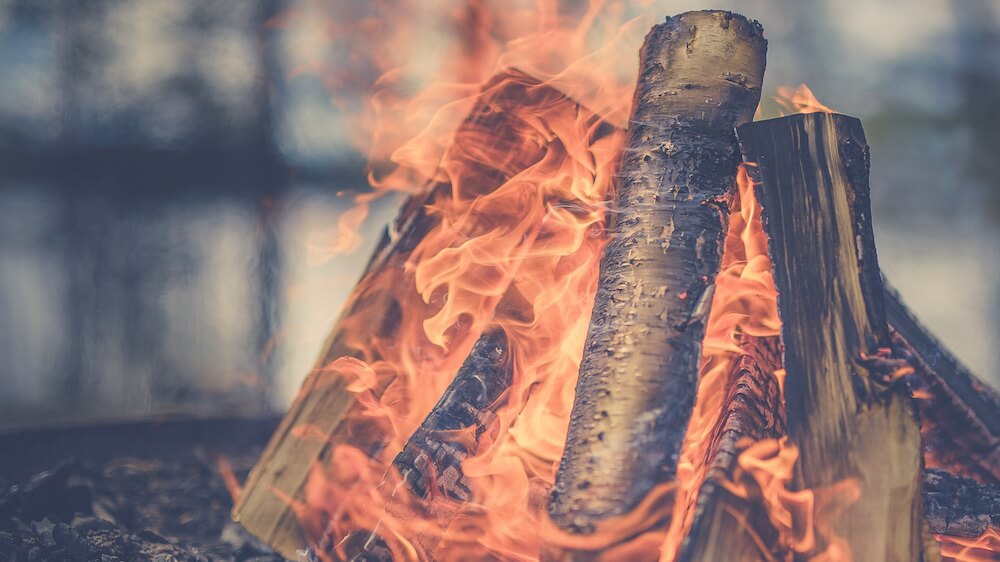
Have A Fireplace? Consider 5 Tips to Keeping the Heat In Your Home:
We recently talked about the positive implications of burning a top-down burn, but if you own a home with a fireplace-chimney, you will want to make sure that you are keeping any and all heat inside of you home after you have enjoyed the fire.
Here are 5 ways to maximize the amount of heat being kept in your home:
- Remember to shut the fireplace damper when the fireplace is not in use. The damper is designed to create a draft - leave it open and it will do its job - drawing air up and out of the home. We recently came across a home in which the damper was unable to be shut due to a blockage - talk about wasting hot air.
- A Heat-Air Exchange could be installed, in addition to a glass door front. The Heat-Air exchange is designed to send the warm air back into the room.
- Ensure there is no draftiness around the seals of your fireplace damper. As we stated before, the damper is designed to create a draft when opened, but if it is closed and not well sealed, you will run into the same issue as before - loss of the warm air in the home.
- Consider insulating your chimney. A chimney liner may increase the life of a chimney as the gases created during combustion are extremely acidic, eating away at the mortar joints of a standard ceramic flue system. According to the Chimney Safety Institute of America, a liner system can also protect from the transfer of combustibles into other structural components of the home. “In the NBS tests, unlined chimneys allowed heat to move through the chimney so rapidly that the adjacent woodwork caught fire in only 3 1/2 hours” (CSIA).
Always have your chimney cleaned and inspected annually by a certified chimney sweep (CSIA). A chimney sweep, certified by the CSIA has received education and training to address and ensure the components of your chimney's venting systems are functioning safely and efficiently within your home.
If you own a home with a gas burning fireplace, not only are these tips extremely important, but a critical consideration in addition to reducing the loss of heat in your home is to also consider the safety of having a gas-burning appliance running inside of your home (furnace included). Carbon monoxide is a tasteless, odorless gas that is extremely dangerous to have trapped inside of a home. Your CSIA certified sweeps are trained to address the necessary drafting of these appliances (included the fireplace) for optimum safety and efficiency, of these appliances.
If you have any questions about these tips, do not hesitate to reach out to us here at Brick + Ember Outfitters. All of our Sweeps have been certified by the Chimney Safety Institute of America. At B+E, we are committed to the safety and functionality of your chimney venting systems.
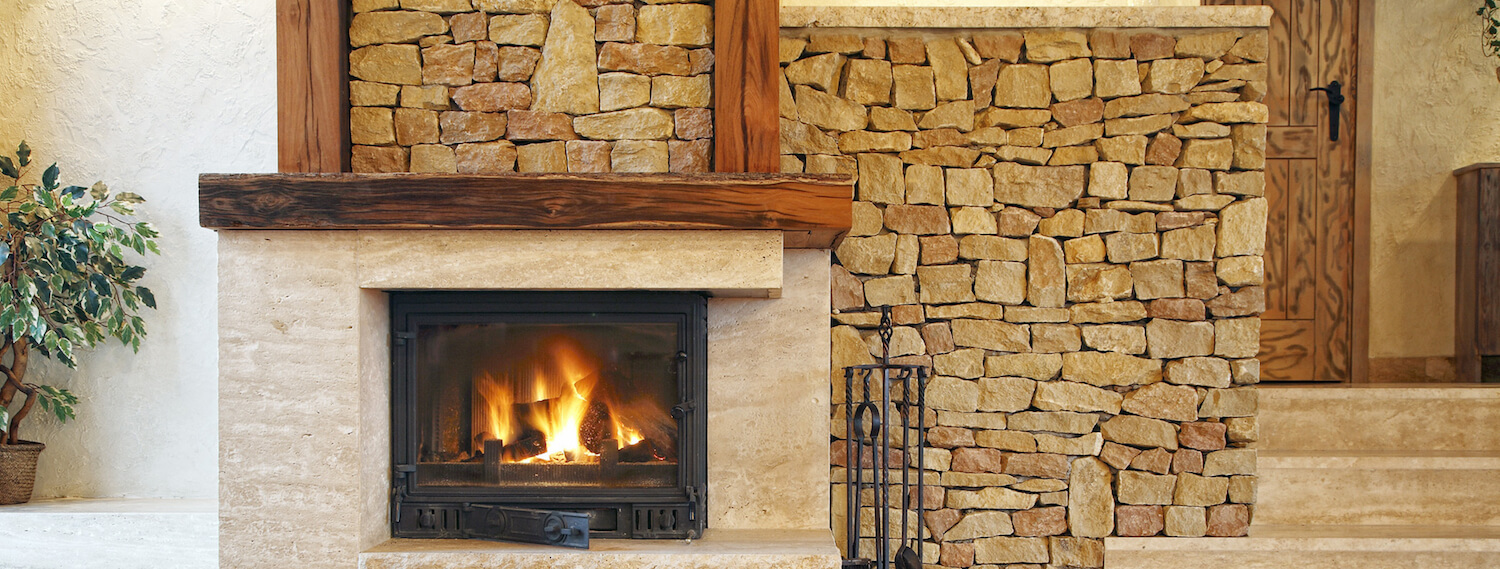
Want to Burn Efficiently? Here's a Tip:
A Top-Down Burn!
Here is what we know: starting a fire from the bottom of the wood 'arrangement' can actually generate a ton of unwanted smoke, and then there is that moment when you realize all of that huffing and puffing is not really encouraging the flame to ignite, and - okay, yep - the fire has gone out.
Why not increase efficiency and reduce the amount of hyperventilating you would otherwise need in order to get the fire started - you know, save your breath.
A top-down burn has been used for centuries, but may a new concept to you so we wanted to give you the run-down.
Here's how it works:
- Step 1: Organize your firewood pieces, largest to smallest.
- Step 2: Place the largest pieces on the bottom of the rack/firebox-floor - the ends of the firewood should run from the front to the back of the firebox (stick your arms straight out in front of you - they should run that direction)
- Step 3: Continue piling more levels of fire-wood, obviously the size of the firewood needs to be decreasing as you build (5 levels up is plenty - a couple more if your firebox is larger).
- Step 4: The kindling at the top - the, dryer, more ignitable wood/kindling will be necessary here - you need this wood to get the fire going and to continue to heat and ignite the wood below (the Chimney Safety Institute of America suggests this be wood that can be lit by a single match).
- Step 5: Get those kindling/small pieces of wood lit, and now you have a top-down burn to enjoy!
The wood used in your fireplace should always be well-seasoned fire wood.
At Brick + Ember Outfitters it is our goal to provide you with a peace of mind when using your chimney's fireplace. Please adhere to the industry standard of having your chimney (both fireplace, and furnace flues) cleaned and inspected at least once annually. In addition to this, utilizing the top-down burn will improve the efficiency of your burn for the enjoyment and heating of your fireplace.
Haven't had the chimney cleaned or inspected yet this season? Give us a call (317) 500-1250 or visit us at B+EUTFITTERS.COM
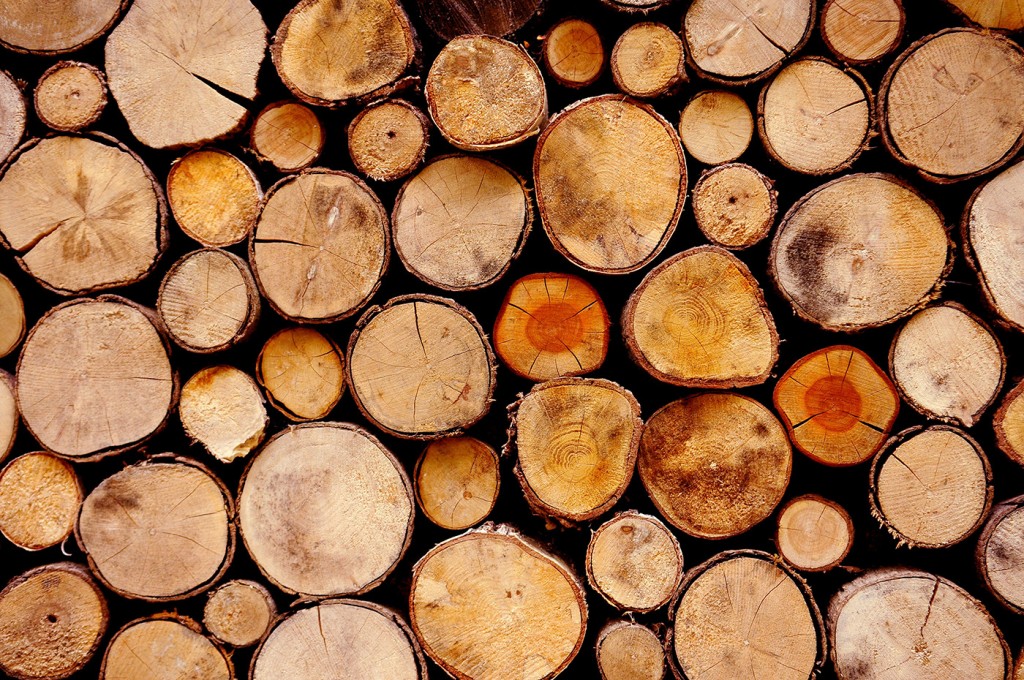
It's Burn Season - What Wood Should I Use
The wood you choose as a homeowner will affect the efficiency of your fires, and the functionality of your fireplace's chimney. Firewood advised for use in any wood-burning appliance (fireplace, stove, etc.), is well-seasoned wood, as opposed to greener, more freshly cut wood. Due to the amount of sap or water you may experience more smoke, more rapid creosote buildup, and potential chimney/flue fires.
While avoiding having any water-content in firewood is impossible, the percentage of water-content makes a difference. Seasoned wood is wood that has been stored for up to 6 months or more, allowing the water to evaporate (which means it needs to be covered - more on that later).
Why less water? The energy of the combustion, or the fire, is best spent burning the wood, not drying it out, while attempting to burn it, not to mention all of the sap and other moisture released, which will stick to the flue system (creosote alert). The more water in the wood, the cooler and less efficient the burn will be, and you really have wasted a chunk-of-change in the process. Those waterways in the wood need to be dried out a bit before you can make good use of the wood, so step one to good firewood is well seasoned firewood.
The CSIA gives some helpful tips to determining the readiness of the wood you might be looking to pick-up:
"Well seasoned firewood generally has darkened ends with cracks or splits visible, is relatively lightweight, and makes a clear "clunk" when two pieces are beat together. Green wood on the other hand is very heavy, the ends look fresher, and it tends to make a dull "thud" when struck" (CSIA - Firewood Testing).
The best route may be to simply purchase the wood well-in-advance of when you intend to burn in the fireplace, stove, or other wood-burning appliance (say the Spring, as opposed to the Fall). Get it covered and keep it off of the ground, let the sun and wind do the work of dehumidifying the wood for your intended use. The idea is to keep it covered, but to keep moisture out, so a wood-shed, or even a tarp. You may want (need) to remove the tarp on sunny-days to allow minimal moisture to be present (remember you are drying the wood out).
Let's say you decide to burn the green wood anyways - have the chimney checked pretty shortly after, as it is fairly likely you will have built up creosote quickly from the lack of efficiency and heat of the burn.
Okay, so you have the whole "well-seasoned wood" concept down, but what wood should be used?
The dryness of the wood is really the most critical piece here - treated woods for construction (decks, landscaping, or other alike uses), are not ideal. Inhaling wood-treatments is not going to benefit the health of anyone, so stay away from these woods. Additionally, let's avoid painted woods while we are at it - we do not think this needs much more explaining (is the paint on that wood lead paint, let alone any other paint? Yea, not ideal).
The density of the wood also plays a role in the longevity of your burn, so the lighter wood makes for great starters and shorter burns, while the denser wood is more ideal for the cooler weather where less trips to the wood-pile is a more preferred method to fire-enjoyment.
This should get you headed in the right direction when it comes to the wood you decide to burn in the fireplace, stove, or other wood-burning appliance through the season. Please adhere to the industry recommendation (both the CSIA, and the National Fire Protection Association) of having an annual chimney sweep and inspection performed prior to use (more if wood is burned fairly often).
If you are looking for a place to purchase seasoned wood, one of our Outfitters would suggest:
Bark Farmers
2460 N Arlington Ave, Indianapolis, IN 46218
(317) 545-2275
Brick + Ember Outfitters believes in the value of educating its homeowners, allowing them to make empowered decisions toward the safety and functionality of their chimneys and ultimately their homes. Please do not hesitate to reach out to Brick + Ember Outfitters with any questions about your chimney or masonry needs!
Meet Chris!
Meet Chris Keen: B+E's Outfitter of the Month for December!
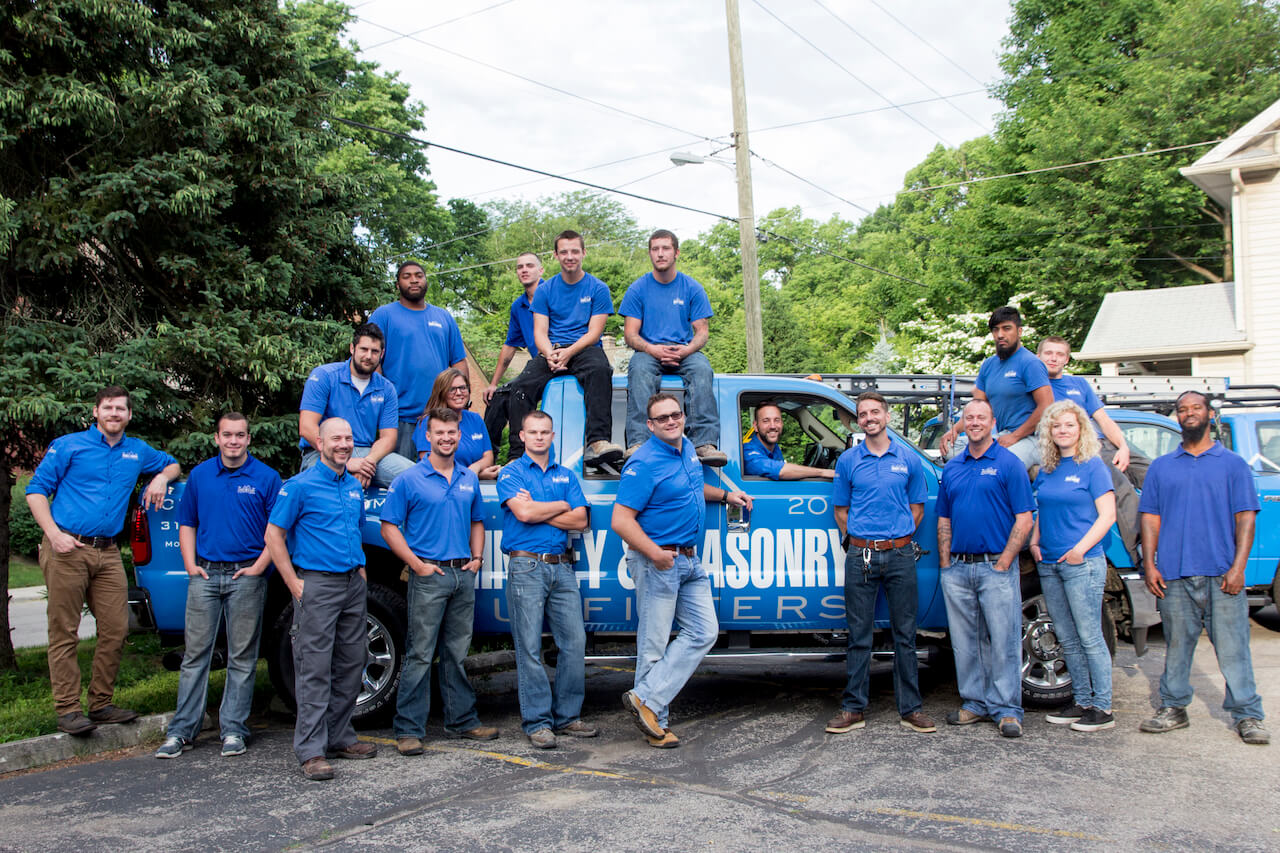
 Meet Chris, our project manager here at Brick + Ember Outfitters. Chris has been a part of Brick + Ember Outfitters for just under a year. He goes above and beyond to be sure things get done correctly. Chris is always ready to serve others; coming alongside his team and picking up any lose ends. Chris and his family currently reside in Bargersville.

A Winter-Market isn't Necessarily a Waste
HGTV's, Scott McGillivary notes that selling a home in the Fall and Winter seasons is a completely different ball-game. While not at all a selling-impossibility, there are some things as an agent to advise your sellers, which could increase the potential for a winter home-sale-closure.
Here are a few tips for the winter market shared from a real-estate article by the US-News from back in October of 2016:
Photos from the Spring
Photos from the Spring will not only allow potentially interested buyers to know what the home looks like in other seasons, but also that the home does look different in other seasons!
Curb Appeal Still Matters
Arguably, curb appeal always matters; tending to the yard is valuable work for the sake of the sale. Even in the cooler/winter months keeping the yard clear of leaves and sticks keeps a synergy of orderliness and seriousness to the sale.
Minimize Indoor Maintenance Mishaps
Ensuring the heating appliances are up-to-date on all maintenance prior to showings and any open-houses is a major necessity when marketing a house in the cooler months.
The More Light, The Better
There is less daylight during this time of the year and trying to sell a dark house is not an ideal marketing strategy for an eager seller. This could mean additional lighting in the home, or landscape lighting for the exterior of the home, or both. Ensuring the lights in the home are all working is also going to be a great plan for making showings a smooth event.
There Will Be Less Showings
Yes, there probably will not be as many showings as there may be in the Spring or Summer months, but buyers may be more motivated - are they always? No, but the likelihood that they may be more serious could be higher in the cooler months, given that the market may have less options available for sale.
Marketing May Need a Further Reach
McGillivary also stated that companies more often re-locate employees in the Fall - he encourages readers to reach out to relocation specialists or major employers in the area. It is much less likely that the Indianapolis market is the place for a winter-get-away. It certainly is not an impossibility.
Flexibility Helps
Closing could take longer with the busyness of the winter bustle. It does slow down after the New Year, but once a closing begins, rushing the buyer through it may not be an ideal strategy to the closure of a sale.
Don't Expect A Price Explosion
Unless you are feeling desperate on behalf of your seller, low-ball offers are really not worth taking if all of the effort of keeping the house on the market is to hold the value of the home. While the offers may be below asking-price, low-ball offers are not said to be worth taking according to Boyenga, who leads a team of Real Estate agents in the San Francisco market.
...
Too Much Seasonal Decor Can be a Turnoff
Everyone loves the Fall and Winter months for the opportunity to decorate and make our homes an extension of their excitement for celebrating the holidays. Overdoing it may be a detriment to the attractiveness and marketability of the home - the pumpkins? Yes. The spider-webs and Halloween streamers in the trees? No. Christmas tree in the living room window? Yes. Santa and the reindeer on the roof? No.
Highlight Seasonal Pulses
Stokes, a real estate agent in the DC area indicates that lighting a fireplace during a showing can add to the sense of cozy and inviting. Here is where we would like to chime in as your Brick + Ember Outfitters - ensuring your homeowners, who intend to sell, have addressed the cozy fireplace prior to the showings and open-houses may be advantageous to you as the agent. Capitalize on the fireplace and use it for the selling-point it can really be for the home. Moreover, marketing the safety and functionality of that chimney and fireplace increases the selling equity, and peace of mind of the potential buyers. You are not going to have a selling point with a home that back-drafts and has a smokey smell coming from that fireplace/chimney.
There IS a Point Where You May Want to Advise Holding Off
After the New Year may be the time to put the home back on the market. While it may not be idea, waiting a bit for the busied Holiday season may be the best option, and you will save time on the recorded time on the market, which always raises odd questions.
While Brick + Ember Outfitters may be most specific to the chimney or masonry work of the home you are looking to sell, we certainly may be able assist in the marketability and appeal of that home. The winter market may not necessarily be a waste, but marketing mishaps may mean more time on the market.
At Brick + Ember Outfitters, we are inspired by the value of increasing equity, restoring beauty and growing peace of mind for our homeowners. Selling a home in the Fall or Winter months? Give us a call and ensure the safety and functionality of the chimney and fireplace, and then use it for those open houses, and showings, and market the readiness for those potential buyers to enjoy this feature of their home-to-be!
This Time It's Not The Chimney - One Household Appliance You Might Forget Needs A Once-Over Each Year...
The Dryer Vent? Yes - did you know that "failure to clean" is the leading factor contributing to clothes dryer fires in residential buildings? When did your dryer(s) last receive maintenance? Also! You know how there is always that one dryer that runs a little warm, and takes a little less time than the others in the apartment building - it is super convenient but also seems to make your clothes smell a little 'hot?' Not ideal.
And for our homeowners, get back here, this applies to you too - here are 7 Facts for you from the CSIA about Clothes Dryer Exhaust Safety:
- 1. According to manufacturer’s specifications and local codes, dryer ducts must be a minimum 4” in diameter and at least as large as the dryer outlet.
- Unless otherwise specified by your dryer’s manufacturer or local code, the developed length of your dryer’s exhaust duct should not exceed 25 feet. (When determining developed length, each 90º turn adds 5 feet to the actual length.)
- Dryer vents shall be independent of all other systems and terminate outdoors, not into a chimney, crawl space or attic.
- Your outside dryer exhaust vent’s termination hood should be equipped with a back draft damper to ensure that the exhaust doesn’t come back in your home.
- Metal transition ducts should be used between the dryer and the exhaust duct.
- Flexible transition ducts should never be used in an attic, a crawl space, or inside a wall.
- The CSIA Certified Dryer Exhaust Technician credential is the only nationally-recognized credential of its kind."
One more for those who are huge fans of your clothes [we assume most people apply here] - if you have neglected the dyer, running at higher than standard or intended temperatures, leading to a decreased life, and increased wear of your clothing - that is, if they don't inadvertently ignite due to an overheated element or safety mechanism. Additionally, do you ever keep going back to the dryer, once it has finished and find that your clothes do not seem to be dry, for the third time? The dryer vent may not be breathing so well.
At Brick + Ember Outfitters, having certified sweeps and technicians who have completed the training by the Chimney Safety Institute of America to ensure their knowledge of the venting systems of your home is critical to how we strive to grow your peace of mind.
Have questions about the hook-up of your dryer-vent? Just need it cleaned for the sake of safety and efficiency? We can do all of those things - give us a call!
Chimney Sweeping Logs VS. A Chimney Sweep
It is an "And" rather than a Vs., folks - Chimney Sweeping Logs AND a Chimney Sweep.
Chimney Sweeping Logs are accepted by the CSIA, as stated on their website - but, only when used in accordance with the manufacturer's direction (CSIA - CSL).
The purpose of the CSL is to reduce the amount of creosote within the fireplace flue system and ideally improve the efficiency of the heating a home, when utilizing the fireplace. While the packaging of the CSL will include the stamp of approval by the CSIA, you will also find the package states, "Regular chimney inspections are always recommended." The stamp of approval from the CSIA, and the message that follows is an extension of the message which communicates the importance of the annual chimney sweep - knowledge is responsibility folks!
Furthermore, as anyone may conclude, and what seems quite obvious, is that those chimney sweep logs serve a great purpose, but are not a chimney sweep who will be informing you of the condition, functionality, and ultimately, the safety of your fireplace-chimney. The CSL does not replace the sweep, but is best utilized in addition to the chimney sweep.
Brick + Ember Outfitters ensures that their Chimney Sweeps are certified by the Chimney Safety Institute of America, so that you are being educated, equipped, and empowered to make the very best decisions regarding your chimney and the safety of those in your homes.
We'll keep this one short and sweet, so in final - the CSL are a great additive to assist in the reduction of creosote and fireplace efficiency, but "these three elements are necessary to ensure a safe and properly functioning chimney:
- A complete chimney inspection by a qualified professional [at least once annually]
- Performance of necessary chimney repairs by a qualified professional
- The mechanical sweeping of the chimney of the chimney and the removal of creosote and other potentially hazardous material by a professional chimney sweep" (CSIA - Necessary Elements to Proper Chimney Function)
Brick + Ember Outfitters is committed to educating, equipping, and therefore empowering its homeowners toward a growing peace of mind, when it comes to the chimney and masonry needs of our cities. Any questions or concerns related to your chimney or masonry work, please do not hesitate to reach out!

What Is a Flue (Chimney) Fire - Should I be Concerned?
A Flue-Fire, also known as a Chimney-Fire is caused by the reigniting of the hazardous and extremely flammable creosote residues left in the flue due to burning of fires in the fire-box. Here is the thing, there is really no way around creosote - it is a byproduct of wood-burning and is due to the gases during the combustion (wood-burning) process, not being burned up completely - hot air rises, yes, but as those gases head up the flue, they are cooling down, and sticking to the sides of the flue system - ergo, creosote.
Creosote is combustible, so, once you have burned for a while, and not had the chimney swept or inspected, imagine what sort of hazardous material situation you have left for your chimney. When a chimney/flue fire occurs, the temperatures of these scorches can reach up to 2000°F. Temperatures this hot are no match for your clay flue tiles, the mortar between them, or the liners that are designed to send the heat out away from your home - instead, you may very well experience a chimney/flue fire, which may be recognized by loud popping noises, dense smoke billowing out of the top of the chimney and in some instances, flames which rise or are visible out from the top of the chimney - not ideal. Those popping noises are not the noises you hear coming from the logs in the fire-box, that is simply the water or sap bubbles in the wood being heated up, expanding and cracking the wood - the popping you should be concerned about at this point is happening above your head - up in the flue.
Are your chimney/flue fires always going to reveal themselves with the above indicators? No. Do not count on it - if there is not enough air to make for flames shooting out of the flue, or loud popping noises, the temperatures of a flue-fire are not reduced. A chimney sweep and inspection is the best way to reduce and omit this from being an experience as a homeowner, with the potential of watching your house burn down due to failed stewardship of owning a home with a chimney.
There are indications that a chimney/flue fire has occurred in your chimney and we will list a few, but again, know that we offer a camera/video inspection with our sweeps, so no only will a sweep by a certified sweep professional be performed, but you will have some peace of mind knowing the condition of your chimney's flue system before burning.
The folks over at the Chimney Safety Institute have listed a few signs that a certified professional sweep will look for that may indicate a chimney flue-fire has occurred:
- “Puffy” or “honey combed” creosote
- Warped metal of the damper, metal smoke chamber connector pipe or factory-built metal chimney
- Cracked or collapsed flue tiles, or tiles with large chunks missing
- Discolored and/or distorted rain cap
- Heat-damaged TV antenna attached to the chimney
- Creosote flakes and pieces found on the roof or ground
- Roofing material damaged from hot creosote
- Cracks in exterior masonry
- Evidence of smoke escaping through mortar joints of masonry or tile liners
If you have recently purchased a home and have not had the chimney inspected prior to use, we would suggest it before you sit down to enjoy the fires. Otherwise, homeowners, it is recommended by the chimney sweep industry to have a chimney clean, sweep, and inspection at least once annually, if not more (depending on the amount of burning done).