

Building a Home? What Foundation Should You Use?
Whether you’re building in Meridian Kessler, Geist, or Noblesville, you’ll have to make important decisions about your home, including which type of foundation you want. When building a home, there are several types of foundations to choose from. So how do you choose?
Largely, the decision may be made by two factors: the soil and climate of the construction site. Those with poor soil conditions may need a deeper foundation to be structurally sound. That being said, most homesites are built with shallow foundations. Similarly, some foundations would not be wise with cold temperatures or flooding.
We recommend discussing your home foundation options with a contractor or structural engineer before making a final decision. But here are several different types for you to consider.
Poured Concrete Foundations
This is the most common type of house foundation. A slab is poured with a few inches of concrete with thicker edges for support. Typically, concrete slabs sit on a bed of crushed gravel, which helps with drainage. Poured concrete foundations are best for use in areas where the ground does not freeze in winter.
Frost-Protected Foundations
In extreme temperatures, one might pour a frost-protected foundation in order to shield concrete from damage. The most common type for cold areas is a T-shaped foundation, which offers extra support for the concrete slab. It does so with concrete footings that extend beyond the frost line.
Permanent Wood Foundations
These foundations have been around since the 1960s and are comprised of very lightweight wood that is decay resistant. Because they do not require concrete or casting, they are fairly convenient to install. These foundations are moisture resistant and easy to insulate.
Raised Foundations
This type of foundation is used primarily in coastal areas that have large amounts of rain. Because of flooding, these raised foundations are used to support the home and give protection against moisture. Pier-and-beam and stem wall are two different types of raised foundations, both of which help raise the home above flood lines.
Regardless of the type of foundation you choose for your new home, you’ll want to make sure that it’s one both you and your contractor feel comfortable with. Have questions about your home foundation? Give us a call!

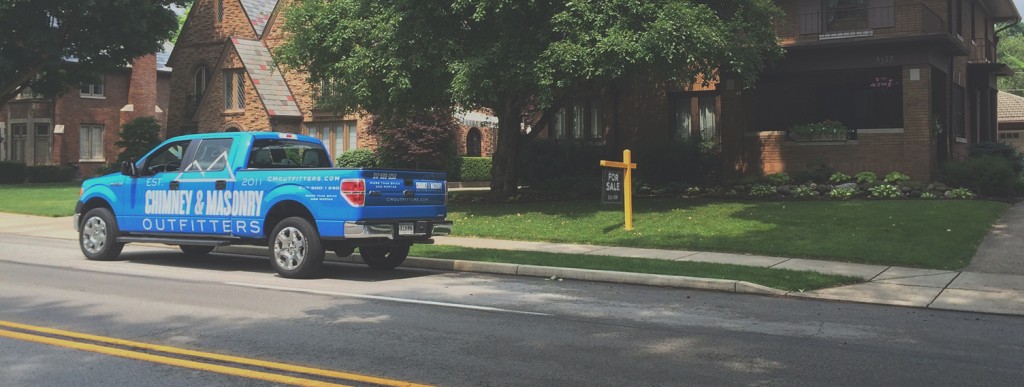
4 Ways Brick + Ember Outfitters Makes a Realtor’s Life Easier
If you’re a realtor in Central Indiana, then you have a lot on your plate. From staging homes to attending closings, we understand that you have a lot of balls in the air. Regardless of the location of the homes you’re trying to sell (Carmel, Lawrence, Plainfield, or Meridian-Kessler), Brick + Ember Outfitters can help make your job easier.
If you’re selling a home with a chimney, most likely it could use a good sweep, at the very least. The more proactive you are about taking care of chimney issues, the smoother your home selling process will be.
We love partnering with realtors to prepare homes for market and to fulfill mandates that come out of inspection reports. Why? Because we make their lives easier. Here’s how:
Working on your timeframe
When Brick + Ember Outfitters gets a call from a realtor, we commit to being on-site within 48 hours. We know that you’re on tight deadlines, so we do everything we can to accommodate your timeframe. Working with Brick + Ember Outfitters ensures that you have the information you need for inspection reports when you need it.
Being pre-emptive about issues
If you’re getting a house with chimney ready to sell, bring Brick + Ember Outfitters out before it ever goes on the market. Not only will we sweep the chimney, we will offer a full report of the chimney’s functionality. Oftentimes, we’re brought out because an inspector report demanded it. Why not avoid the hassle by bringing out Brick + Ember Outfitters before a house goes on the market? The more pre-emptive you can be, the easier your job is in the end.
Saving money
There are things Brick + Ember Outfitters can do to ultimately save the seller money. If we are brought out for a preliminary inspection, we may suggest that you invest $1,000 in work in chimney upkeep. But it can alleviate you from spending $5,000 if an inspector points out a gamut of issues. Let us save your client money—and the headache of getting dinged on an inspector’s report.
Mediating between buyer and seller
In order to get a chimney functioning, a homeowner may have to spend money. We can advise you how to spend money in a way that makes sense. What do the buyer and seller want? We coach sellers about what needs to be done vs what really doesn’t. We understand the dynamics on both sides and strive to be an asset that helps make the deal work.
Brick + Ember Outfitters works hard to make your job as painless as possible. We love coming alongside realtors to supplement what you already do really well. Call Brick + Ember Outfitters today so we can come alongside you and ultimately make your job easier.
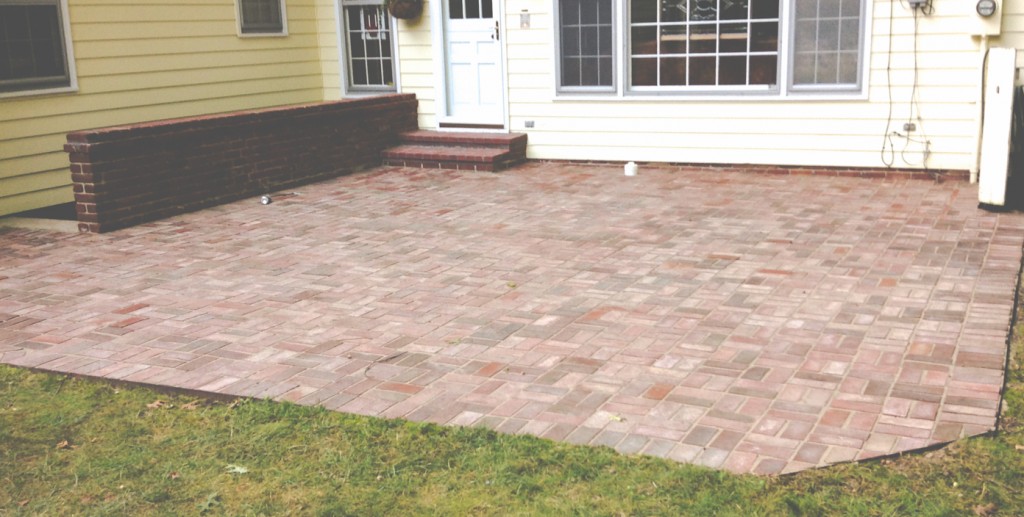
How Adding a Patio Can Increase the Value of Your Home
If you have some extra cash lying around, a worthwhile investment (especially this time of year in Indiana) would be a nice patio for your home. It’s the perfect spot to wine and dine your friends and family, and – even better – it can also make your home more appealing for buyers if/when you decide to sell.
In 2007, a survey by the National Association of Realtors ranked patios as one of the most desirable features that home buyers want. In fact, over 50% of people polled said they would pay top dollar for a house with a nice patio area. If you are in the Indianapolis market, now is the time to consider installing a patio – or putting your house on the market – since spring has finally sprung.
Why patios are in high demand
Outdoor living areas are attractive to home buyers because they consider it a “bonus living area.” With a patio, you are able to extend your living space outside the walls of your home. In good weather (spring, summer and fall in Indiana), you have a place to sit and soak in the sun.
By investing in some patio furniture and a grill, you can eat meals outside. Toss some steaks on the grill and take in the pleasantness of your yard! Invite some friends over and enjoy some entertainment. (Connecting your iPod to a speaker can easily help set the mood.)
Not only does patio space not have to be heated or cooled, it’s also not taxed heavily and is easy to manage all year long. Patio areas have the potential to create a relaxing sanctuary, all within a few feet of your back door. (Who doesn’t want that?)
Investing in your outdoor space
If we’ve convinced you to invest in a patio, how do you decide what to do?
We recommend building a patio that matches the tone of the rest of your space. For example: A large patio with a tiny hard doesn’t leave much green space, which can lessen property value. Similarly, a big yard with a small patio also won’t look proportional.
Patios aren’t meant to be standalone structures, so choose a door as the entry point. Ideally, it will be approximately 15-30 steps from the kitchen so food can easily be transported. We also suggest building patios behind your home in order to help with privacy.
If adding a patio makes your home more attractive to buyers AND you get to enjoy it now, why wait? We think it’s a no brainer. Give us a call today to schedule a free consultation.

4 Easy ways to Make a House Sell Faster
If you’re a realtor in Central Indiana, then you know how frustrating it can be to have a house on the market that just isn’t selling. Whether the home you’re trying to sell is in Carmel, Lawrence, or Meridian-Kessler, these easy fixes can help your home get offers in no time. (In the event that you need help performing any of these updates, we’d be delighted to help you with any of these projects.)
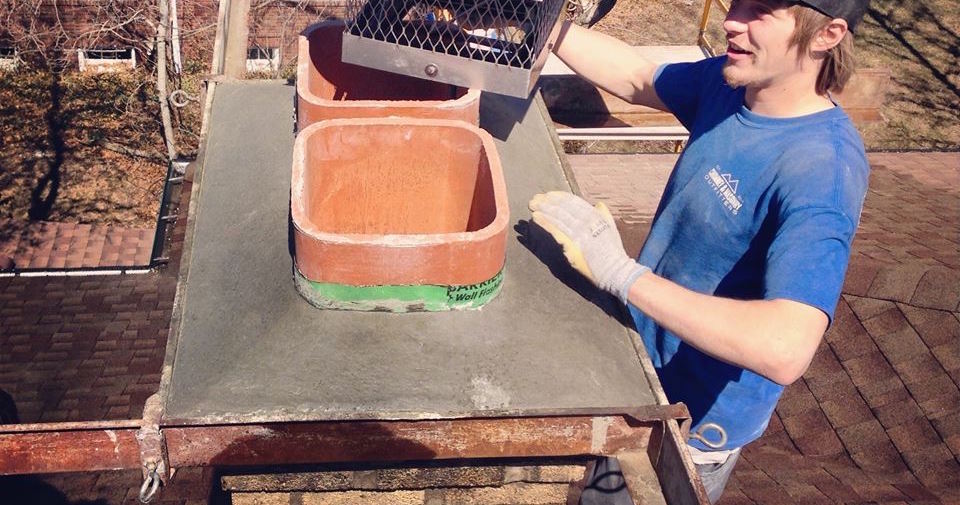
What to Look for in a Masonry Contractor: 10 Questions to Ask
Let’s say you’re a homeowner in Meridian-Kessler with a deteriorating chimney. Or a resident of Lawrence who has a broken fireplace. Or a family in Noblesville with some brick sidewalk in disrepair. Who are you going to call? (Not Ghostbusters, although that would be cool.)
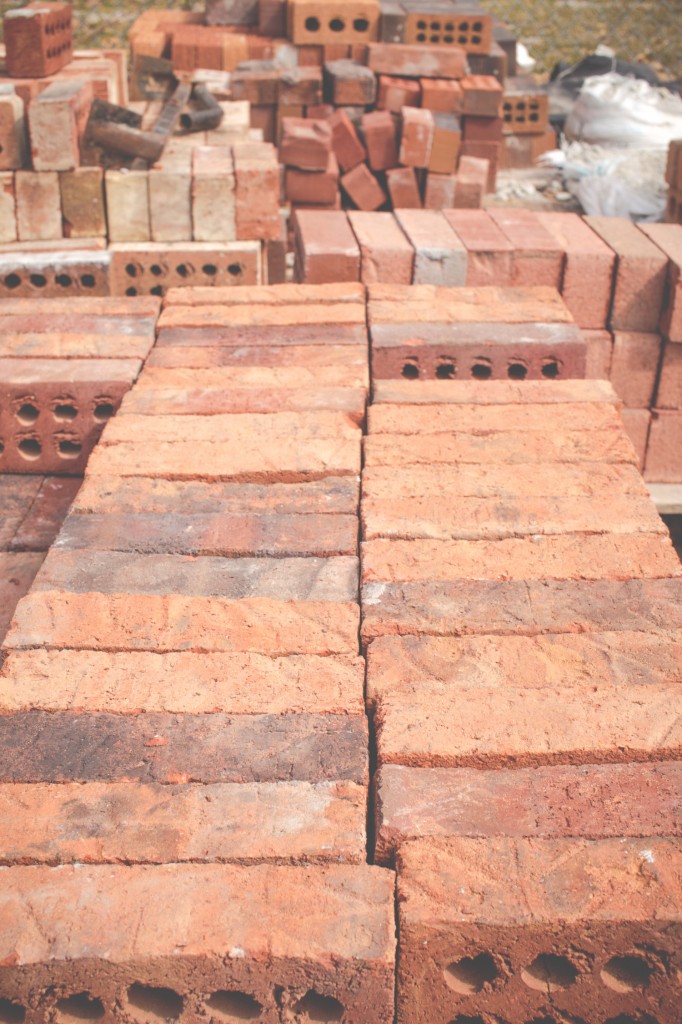
Laying Brick Over Concrete: A How-To Guide
The North side of Indianapolis (Carmel, Fishers, Noblesville, and Westfield) is a hot real estate market these days. Couples of all ages are looking for their next dream home. But with any home purchase, updates usually need to be made.
In the event that a concrete patio or sidewalk isn’t meeting your expectations or desires, have no fear. A great way to give a facelift to an outdoor area is to lay brick over the concrete. One of the biggest advantages to this is that you already have an established base. You can instantly improve the look of your property without the added hassle of digging up concrete and hauling it away.
This is a fairly easy project that can be accomplished in a weekend. Depending on the size of the area, cost will obviously vary.
Here’s what you need to do to lay brick over concrete:
- Choose a brick or clay paver that you like, then create the design. Keep in mind that some patterns (like herringbone) will require more cutting than others.
- Clean the perimeter of the patio where you will lay the frame. The cleaner it is, the stronger the bond you’ll have with the glue.
- Frame your project with bricks placed perpendicular to the concrete. We recommend using a few dots (about the size of a penny) of masonry adhesive on each brick. This will allow rainwater to easily pass underneath.
- On the inside of the frame, cover the concrete with a single layer of roofing felt. Do not overlap the edges.
- When you have finished the first layer, put down a second layer of roofing felt perpendicular to the first.
- Starting at one corner, lay the bricks in place, leaving approximately ⅛ “ gap between them for sand.
- Between the bricks, sweep concrete sand in the joints until they’re full.
You can do this project, but you can also leave it to the pros. Give us a call… we’d love to take care of this job for you!

Patio vs Deck: Which Should You Choose?
There’s nothing like a versatile outdoor area where you can entertain guests, do a little backyard grilling, lounge on a lazy weekend afternoon, or even enjoy a tranquil cup of coffee first thing in the morning. If you’ve been thinking of ways to gain more usable space from your backyard, you really can’t go wrong with a deck or a patio. But which is better?
Well, it depends. You’ll have to consider the landscape and the design of your house, your budget, the look and feel of the final product, and your long-term desires. While either may be a viable option for you, choosing the right one to suit your needs is important—after all, you want to make a decision you’ll be happy with for years to come.
Wooden Decks
Wooden decks are built above ground, which can be an attractive option if you’ve got a backyard that’s uneven or is likely to have problematic tree roots in the area in which you’ll want to build. They’re also generally less expensive than patios because they require less labor to install.
One crucial thing to consider is lifespan. Wooden decks will usually last around seven to eight years before they’ll have to undergo major repair or reconstruction, though you can sometimes stretch the time a deck will last by using composites and different sorts of sealers and all-weather finishes.
Concrete Patios
While patios can be more expensive to install, they’re much more durable and will generally last for twenty-five years or more without the need for serious maintenance. Because of this factor alone, they may be the better choice just because you’ve got a higher return on your initial investment. You’ll get more use, for longer, out of a concrete patio versus a wooden deck.
Another important thing to consider is what you plan to do with the space. If you plan to install something like a hot tub—or might in the future—you’ll want to go with a patio, which will bear the weight and give you a solid (and safe!) foundation.
The Final Word
Both patios and decks have their pluses and minuses, and both are unquestionably great ways to transform your backyard space into a more versatile and enjoyable extension of your home. Which you ultimately choose depends on what suits your needs—and wants.
Our team of professionals at Brick + Ember Outfitters will be happy to answer any questions you might have, and have extensive experience working on these kinds of projects throughout the greater Indianapolis area. You’ll find some helpful information on our website, and please feel free to contact us at (317) 500-1250—we’ll be glad to help.

There's a Bird in My Chimney! What do I do?
If you’re an Indianapolis homeowner, most likely you have birds get stuck in your chimney. Rest assured, you’re not alone. In fact, this is a fairly common phenomenon.
Why does this happen?
Houses today are frequently built with small metal flue pipes instead of clay liners. These flues can prove to be deadly for animals who are unable to establish a solid grip on the slippery metal, causing them to fall into the fireplace. Chimney Swifts are notorious for this, hence the name.
How to Fix Small Concrete Cracks: a DIY Guide
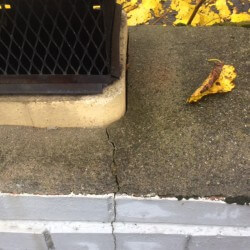
Here in Indianapolis, winters can be rough on concrete, so cracking is a common occurrence. Not only can cracking be dangerous if tripped on, it can also be a liability if you’re wanting to sell your home. Not surprisingly, we hear the following a lot: “My concrete is cracked. Help!”
Resurfacing Concrete Patios 101
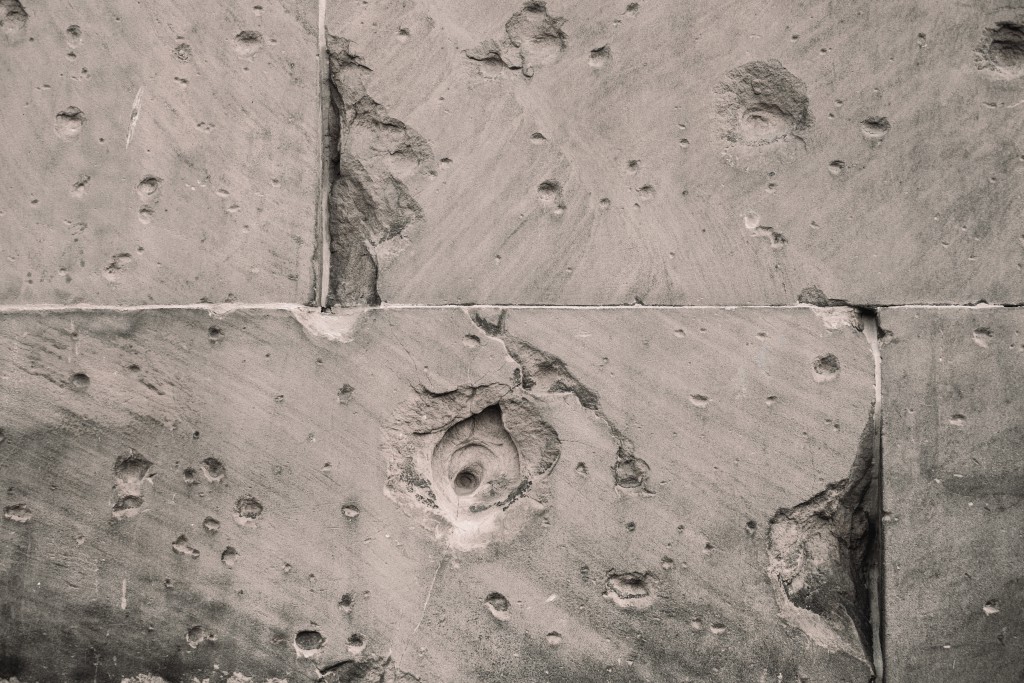
What’s a homeowner to do when they have a patio that’s in good condition but not very attractive to look at? You might think that you have to tear it out and start over. Thankfully, that’s not the case. Even if your patio has surface discoloration, imperfections, or cracks, there are options available for converting that drab space into a beautiful surface.
What is resurfacing?
Resurfacing concrete is a way for homeowners to spruce up their patios without having to completely start from scratch. Not only will this save you money, you also conserve resources and avoid disposal problems.
What are the different types of resurfacing?
There are lots of options when it comes to resurfacing. You can completely resurface it with a polymer-modified overlay to update your look. This gives you lots of options of color and patterns, as well as covers up flaws and discoloration. If your concrete is already in prime condition, you might consider engraving, stenciling, or staining it to give it a facelift. This can makes it look like stone, slate, tile, or brick.
What do I do first if I want to resurface my patio?
We recommend consulting a professional to make sure that resurfacing is a viable option for you.
Resurfacing can help make old patios become new. Aren’t you ready to spruce yours up for spring? Give us a call. We would be delighted to come out and share with you our recommendations for breathing new life into your space. We even offer free estimates, so what are you waiting for?