
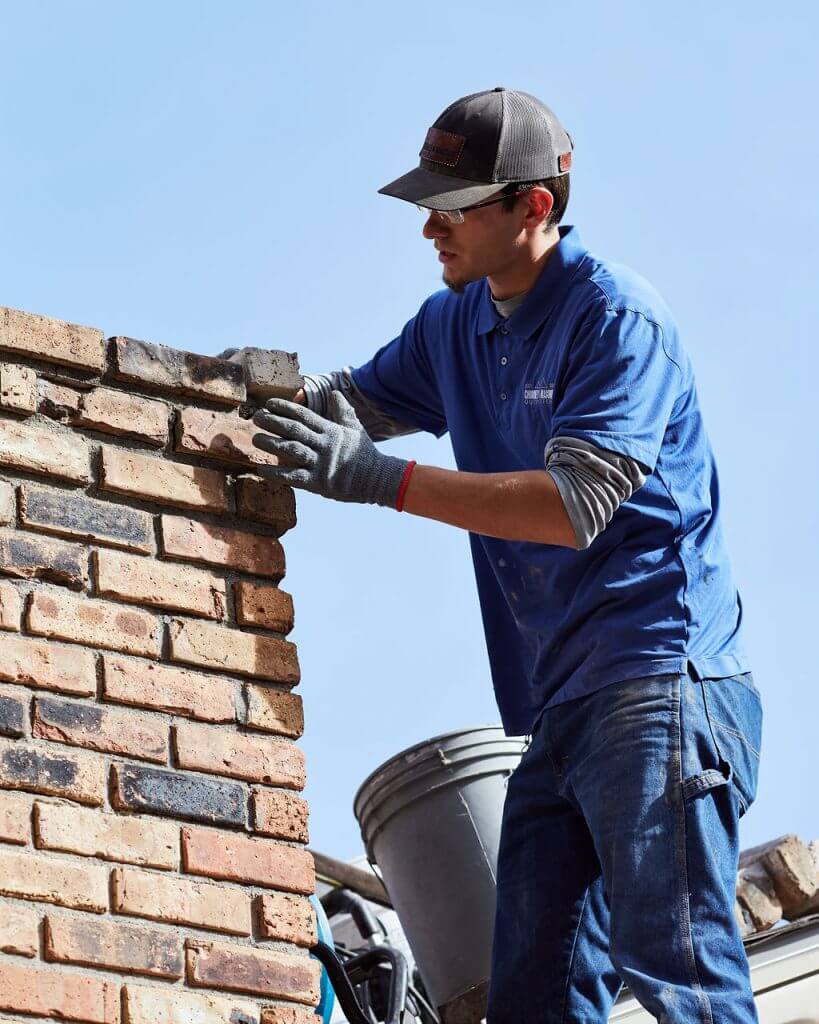
Everything You Need to Know About Chimney Restoration
Everything you need to know about chimney restoration. Taking care of your chimney ensures you can enjoy your fireplace for years to come. Eventually, some chimneys require chimney restoration.
Chimney restoration encompasses several processes, from regular maintenance of your chimney to rebuilding the chimney from the ground up.
What exactly is chimney restoration and is it right for you?
Read on to learn everything you need to know about chimney restoration.
Chimney Components and Potential Concerns
Crown
A concrete sheet at the top of your chimney to direct water down the sides rather than into the chimney. Cracking because of cold weather can cause portions of the crown to fall into the chimney, inhibiting airflow and allowing water in.
Smoke Chamber
The smoke channel funnels heat and smoke from the fireplace to the chimney, so that smoke does not collect in the house. An improperly built smoke chamber with gaps can cause problems, but parging--adding a layer of smooth, heat-resistant mortar to the walls of your chimney--will resolve this.
Flue
The flue allows smoke and other material to exit the home and keep you safe.
Damper
The damper lets you control airflow through your flue. This both impacts the fire itself, allowing oxygen to bolster it, and bring more airflow into the flue to push smoke out of the home. The damper should be open during the use of the fireplace and closed once you are certain the fire is out and the fireplace is cool.
Flue Lining
The flue lining can be either circular or rectangular and runs the entire length of your chimney. This carries smoke and other materials out of the chimney and protects the bricks from being directly exposed to heat and smoke, which can wear them down faster than the flue lining and cause damage. A chimney without a flue liner is likely older and allows cold airflow in and hot air out, which means you might spend more heating the home as it escapes via the unlined chimney. Flue lining can be damaged over time due to improper installation or exposure to gases from fires.
Smoke Shelf
The smoke shelf in your chimney serves two purposes: it helps protect rainwater and debris from falling into the fireplace and helps prevent drafts from pushing smoke into your home. If you do your repair or rebuild and neglect to include this feature, your chimney will not have proper airflow and can send smoke into your house instead of out the flue.
Types of Chimney Repairs
Maintenance
Chimneys require regular maintenance and cleaning. This allows your family to safely use them and prolong the life of the chimney and its’ parts, as well as protect the structure of your home surrounding the chimney. Maintenance also includes cleaning out creosote, a highly flammable substance that collects in chimneys with use and is a leading cause of chimney fires.
Restoration
Restoration of chimneys includes smaller repairs or additions to historic chimneys to bring them up to modern safety and utility.
Rebuild
If a chimney is visibly in disrepair, leaning, or has cracked completely through, it likely needs to be rebuilt. Rebuilding a chimney requires special equipment and craftsmanship, and is quite involved. This is part of why regular maintenance is so important.
Signs You Need Chimney Restoration
Chimneys undergo wear from repeated heating and cooling, weather, and aging. In climates where freezes occur regularly, water seeps into the bricks and freezes, expanding and damaging the integrity of the brick over time.
Throughout their lifetime, chimneys can also lose bricks or damage can be incurred to their internal and external components. Because of this, they need to be evaluated regularly and properly maintained. While simple issues like missing bricks can be resolved with a restoration, sometimes chimneys are in such disrepair that they require rebuilding.
The Chimney Safety Institute of America reports that unmaintained chimneys can lead to chimney fires, which can range from slow-burning internal fires that damaged portions of the house around the chimney to dramatic, high-heat fires that expel smoke into the home and can even cause flames to flare up from the top of your chimney. It is recommended you have your chimney examined annually to prevent these fires and other issues.
Professional Chimney Restoration
You might think of chimneys as fairly simple in construction, but they have specialized components in need of review and repair. Improperly installed elements can cut the life of your chimney short or damage other portions of the house, not to mention endanger you. Traversing the chimney and ensuring proper cleaning also requires special skills and equipment.
Chimney repair and construction should be handled by professionals, and Brick + Ember Outfitters is here to help. Our team of experienced, CSIA professionals can help with all of your chimney needs including sweep, repair, and restoration.
Contact us to schedule an appointment and ensure the safety of your home today!


2021 Best Suburbs to Buy a House in Indianapolis
2021 best suburbs to buy a house in Indianapolis. Indianapolis strikes a nice balance between the feeling of a big city and the charm of smaller towns. As the state capital and largest city in Indiana, you are able to find a thriving downtown with metropolitan attractions like quality restaurants, sporting and entertainment venues, and an arts & culture scene.
At the same time, Indianapolis is incredibly expansive and sprawling. Beyond the city limits, there are dozens of suburbs that expand the metropolitan area’s reach. Hundreds of thousands of families call these suburbs home, allowing people to work in and enjoy the city center without having to live city life 24/7.
There are plenty of affordable options, safe communities, and nationally recognized excellent schools in suburban Indianapolis, all while still offering close proximity to a world-class city.
If you are looking to buy a house in proximity to a major city, Indianapolis ought to be on your shortlist. But with so many suburbs that have differing characteristics, it can be difficult to choose.
Here are the best near Indianapolis in 2021.
Fishers
Fishers, IN recently surpassed Carmel on Niche.com’s rankings for #1 best Indianapolis suburb to buy a house. For those who know Fishers, this is hardly surprising. The city’s 90,332 people have settled and stayed there for good reason.
The community touts some of the best schools in the state with their Fishers and Hamilton Southeastern school corporations. Fishers is said to have a friendly, community feels, with nice coffee shops, parks, and restaurants. It also is very close in proximity to the gorgeous Geist Reservoir. Fishers is an ideal locale for families and young professionals alike; the home costs are lower than other northside suburbs while still being high-quality options.
Carmel
Directly north of Indianapolis, Carmel is known far and wide for its great schools, excellent houses, and beautiful city. The largest suburb of Indianapolis with almost 100,000 residents, Carmel has its fair share of jobs, leisure activities, and shopping centers.
Though it is no longer ranked #1 as the best place to buy a house, it remains the top place to live, raise a family, and best public schools with Carmel-Clay schools. Carmel’s reputation in and around Indianapolis is undeniably great; it is perfect for families looking for good schools, jobs, and amenities.
Zionsville
Zionsville is well known for being a safe, quaint, and respectable community on the northwest side. With a significantly less large population than other northern suburbs at 27,463, Zionsville is quite sparser.
Despite its small-town feel, the city is known locally and nationally for its excellent school system, safety, and charm. The houses here do run more expensive than Carmel or Fishers, median $385,700. However, it is perfect for families seeking a more quiet place to live with great parks and nice small businesses.
Brownsburg
Brownsburg is one of the most up-and-coming suburbs of Indianapolis. Located on the west side, the city has a population of 26,046. Unlike Zionsville, though, the small-town feel does not come with high housing costs.
Brownsburg is an ideal place for young couples, young professionals, and starting families to settle because of its affordable real estate. It also has a good public schooling system and is located close to the beautiful Eagle Creek reservoir and park.
Avon
Avon is the suburb directly west of Indianapolis. Home and renting costs run just around the national average here. Its population is 17,453, but do not let that make it seem like it is a tiny town with no restaurants or shopping options; Avon is booming with new developments. The public schools are also highly ranked in Indiana. Avon is a great place to raise a family.
McCordsville
McCordsville is a lesser-known Indianapolis suburb, located on the east side of the city. More rural than the rest of this list, the city has a population of only 6,857. The city may seem rural and disconnected, but it is close to incredible shopping and restaurant options in closeby Fishers/Castleton area. McCordsville is perfect for families who want nice homes, away from the crowd. It also is perfect for water lovers as it is just south of Geist Reservoir.
Keep Your Indianapolis Home in Great Condition with the Help of B+E
Owning a home in an Indianapolis suburb is an awesome investment that will reward you with home equity, great schools, and awesome community living.
Wherever you decide to live, you need to make sure to take care of your home. Indianapolis Brick + Ember Outfitters is here to maintain the quality with our excellent chimney, masonry, and fireplace services. If you are looking for a nice addition to your home, or need an old feature fixed, we are here to help. Contact us today to learn about our quality home services.
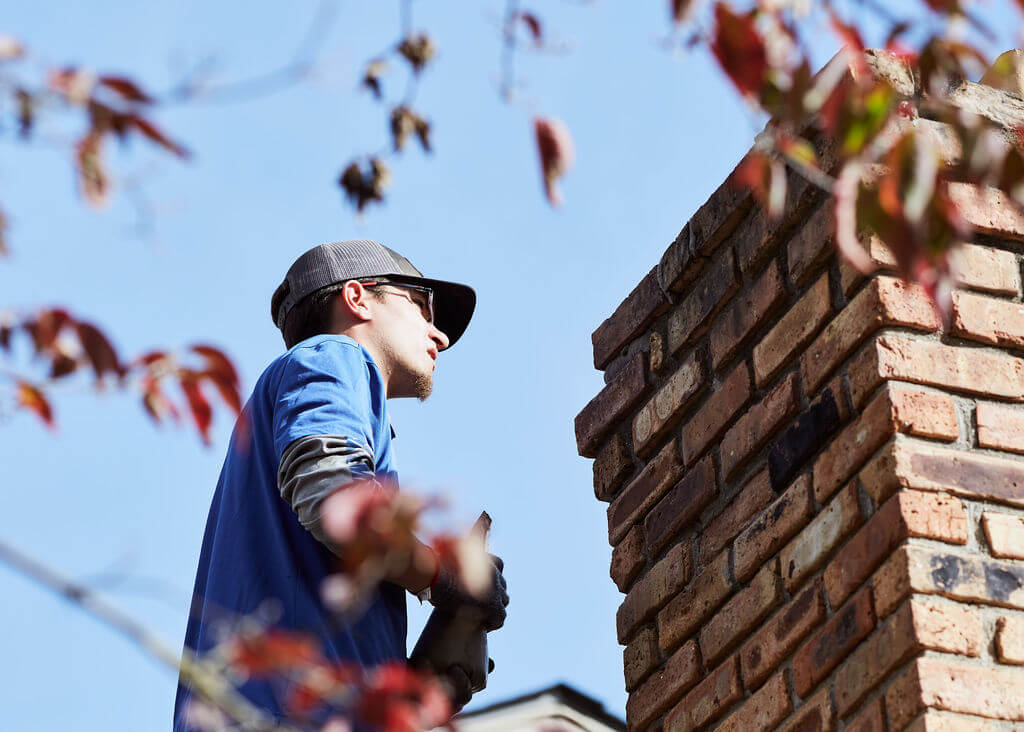
Common Mistakes In Brick Restoration
Common mistakes in brick restoration. Durability is one of the top benefits of masonry.
While brick is a very strong material that can last many years, it still needs maintenance to ensure a long lifespan.
Many homeowners, especially those with older homes, find that their brick chimney or masonry requires restoration eventually.
When done correctly, brick restoration vastly improves the durability and longevity of the brickwork.
However, improper brick restoration can have the opposite effect. Misguided repairs may actually threaten the integrity of your brick and pose more expensive problems later on.
Today, we’ll review the most common mistakes in brick restoration and the best way to ensure you get a quality repair.
Wrong Mortar Selection
Historic brickwork needs matching mortar. Using modern mortar on old brickwork is a huge mistake. Today, mortar is harder and suitable for bricks fired at higher temperatures. In the past, the mortar was softer and lime-based, suitable for the older bricks which are softer.
Using modern mortar with old bricks is a recipe for disaster. The mortar is not very porous, which can cause adjacent sections to crumble when they expand. Instead, you must ensure that the mortar is suitable for the brickwork.
Poorly Installed Flashing
Flashing are strips places within a structure or wall at strategic points. The flashing is made from a tar-like substance or sheet metal. It channels water from the weep holes out of the wall. The job of channeling water out of the brickwork prevents moisture damage that can threaten your brick structure.
For it to work properly, it must be installed properly. Failing to place proper weep homes is a common problem. The holes need no more than 24 inches of space between them. The wetter the climate is, the closer the holes should be.
Furthermore, placement is key. Flashing should be placed and sealed at the roof, sill, head, and base of the structure to ensure adequate drainage. Each seem should overlap and be sealed, and dams should be in place.
Forgetting about Efflorescence
Efflorescence must be treated to ensure the longevity of your brick restoration. Efflorescence is white crystals formed on the brick wall. The salt from the bricks is moved to the brick’s surface by water. Not only is efflorescence unsightly, but it can cause cracks in bricks and mortar as well. Over time, this may threaten your structure’s integrity.
Careful installation can minimize efflorescence. Failing to properly leverage flashing, drip, and caulking can lead to a serious efflorescence problem later on. The brick restoration must be stable and based on your location’s climate.
Surface Repairs
Masonry issues have an underlying cause. Sometimes, the problem is quite apparent. Other times, it requires investigation. One of the biggest mistakes you can make with brick restoration is failing to investigate a problem to its root cause.
Simply repairing the bricks is not going to be enough if there is a larger problem at play. If the root of the issue is not addressed, it will lead to the same complications again.
Lack of Cleaning
Repointing the masonry is only part of the solution. Never leave the area without a thorough cleaning. Cleaning removes the dirt and debris. Without cleaning, the mortar will not bond sufficiently. Failing to clean the area can result in the mortar that cracks and falls off much sooner.
Gaps Between Bricks
Brick bed joints must be filled. Many inexperienced masons or people trying to do the repair themselves leave gaps between the bricks. Failing to fill these gaps weakens the brickwork.
Thick Bed Joints
On the other hand, too thick of bed joints is also a problem. Excessively thick bed joints threaten the compressive strength of the bricks. Ultimately, the joints must be filled but not too much. Finding this balance is a big challenge for those without professional masonry experience.
Alignment
Poorly aligned bricks are much weaker. You must lay bricks with proper alignment to ensure a strong, durable structure. An experienced mason can even fix deviations in brick alignment with wall starter screw ties and wavy tail brick ties.
Waterproofing Old Masonry
Waterproofing can be a good way to prevent water damage to bricks, but it has a certain application. Inexperienced repairers may try to waterproof old bricks. Unfortunately, this can track the existing moisture and lead to damage.
Professional Masonry Services
The mistakes above can result in severe problems with your brickwork. Brick restoration mistakes often take place when the job is done by an inexperienced mason or a homeowner trying to DIY the repair.
Don’t take shortcuts when it comes to brick restoration. Instead, turn to the experts at Brick + Ember Outfitters for quality, affordable brick restoration, and masonry services. We always do the job right, so you don’t have to worry about any of the mistakes above. Learn more about our brick restoration services or schedule your appointment by contacting us today!
2021 Chimney Repair Costs
2021 chimney repair costs. Chimney repairs are very important for maintaining the stability of your home, but they can also fluctuate in costs.
That’s why it’s important to know how much money you’re paying for these repairs and if you’re finding the right price.
We’re here to break down the average cost of chimney repairs, what may raise the prices, and if they’re even worth the cost.
Average Cost of Chimney Repair
Chimney repair costs vary quite a bit around the country. The average cost of chimney repairs in 2021 is usually between $99 and $1,339, but some repairs can cost as much as several thousand dollars. Based on the average cost, it may be difficult to determine how much you will pay for a chimney repair.
Factors that Influence the Cost of Chimney Repair
Various elements such as the cap, crown, and lining make up the chimney and therefore affect the average cost of chimney repairs.
You can easily identify and repair obvious chimney damage, but more thorough destruction may require professional services. Some contractors even charge a square foot price.
Here are some cost estimates that can help you predict chimney repairs costs:
Chimney Crown Repair Cost
A crown is placed on top of a chimney and is made of a mortar mix. By sealing the top from the edge to the flue liner (or chimney liner), a crown directs water run-off away from the chimney and therefore wards off disintegration.
Bad weather causes small cracks in the crown, but a contractor can reseal or replace it. The replacements are typically created with a cement mix that is more resilient against harsh climates.
On average, chimney crown repairs cost around $1,000.
Chimney Lining Repair Cost
A chimney liner saves your home and chimney walls from heat damage and keeps dangerous gases from coming into your living spaces. Unfortunately, these liners can deteriorate or break into pieces. As a result, they may require repair or replacement.
Relining a chimney usually costs around $2,500 and $5,000, but that also depends on the type of liner you’re using (metal, clay tiles, or cast-in-place).
Chimney Flashing Repair Cost
Flashing is the metal coating that creates a seal between the chimney’s edge and the roof. This object keeps water from leaking inside your home and ruining your chimney. Several hundred dollars is typically the cost for hiring a professional to fix the lining.
Tuckpointing Cost
Tuckpointing is the process of removing and replacing decrepit mortar joints between bricks. This procedure reinvigorates the structural integrity of a brick fireplace or chimney to halt its imminent destruction. To protect a fireplace system’s interior, tuckpointing also prevents leaks that come from gaps in the mortar.
It even has aesthetic benefits and offers a more consistent front to the chimney. The average cost of tuckpointing is $500 to $2,500 for 100 square feet ($5 to $25 per square foot).
Rebuilding Costs
What are the signs that a chimney needs to be rebuilt? Crumbling brick leads to a loss of structural integrity and in turn leads to other issues such as run-down mortar joints. What makes these repairs so expensive is the fact that professionals have to deconstruct the old chimney and rebuild it from the ground up.
These workers will even use powerful handheld tools such as sledgehammers and jackhammers to demolish the original chimney. After hauling away old material, the professionals will create a new chimney with mortar and brick and produce the crown with concrete. Homeowners generally pay $1,000 to $3,000 to recreate a chimney, but bigger and taller chimneys with more bricks cost at least $5,000.
Is Chimney Repair Worth the Cost?
Yes, a chimney repair is worth the cost, and there are several reasons why:
Prepare for Fireside Season
Repairing your chimney and fireplace in the summer helps you enjoy them in the fall.
Book a Pro Before the Rush
The busiest time for chimney repair and reconstruction starts in September and continues through the end of January, so schedule a chimney repair while the demand is low.
Combine Repair with Annual Inspection
You should already schedule an annual chimney inspection and maintenance visit, so why not take care of both at the same time as other routine tasks?
Remove Blockages
Remove any bird nests that keep the fireplace smoke from leaving your home.
Check Your Chimney Cap (or Install a New One)
Check your current chimney cap, a device that keeps moisture out of your chimney, and see if you need a new one.
Make Sure the Masonry is Intact
Replacing cracked bricks, redoing mortar, and recreating the entire chimney if possible can also keep moisture out of your chimney.
Clean Out Creosote Buildup
Before the weather becomes snowy, you clean out your chimney, either from inside or outside, once it has built up a 1/8-inch creosote deposit.
Remove Smells from Your Fireplace in the Summer
Take unpleasant odors out of your fireplace so that you can enjoy your chimney down the road.
Affordable Chimney Repair
Brick + Ember Outfitters (B+E) offers the best and most affordable chimney, masonry, and fireplace repairs. For affordable, high-quality chimney repairs, our team is here to help. To learn more about our chimney repair services or to schedule yours today, contact B+E.
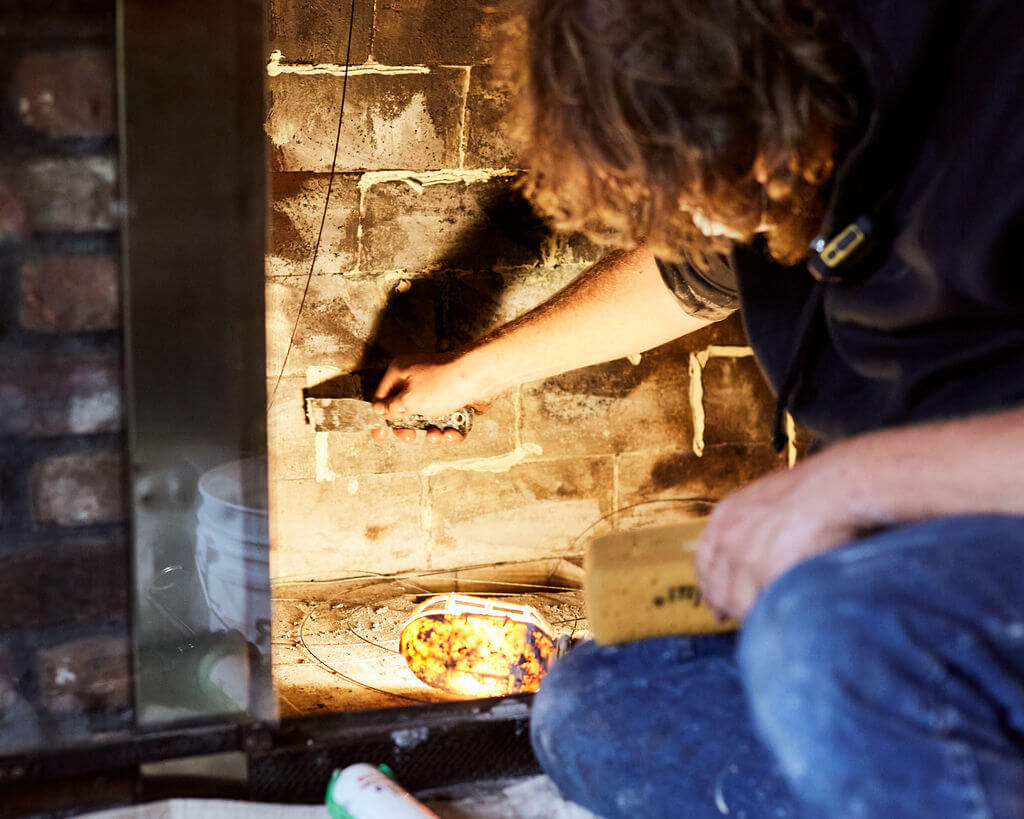
The Best Indianapolis Chimney Sweeps
The best Indianapolis chimney sweeps. The safest fireplaces and chimneys are those that receive regular cleaning, repair, and maintenance by certified chimney sweep technicians. Neglecting regular chimney maintenance will lead to dangerous creosote and soot buildup as well as smoke-drafting obstructions, a common problem if you use your chimney without a chimney cap. All of this can lead to dangerous operating conditions.
The chimney uses the pressure difference caused by a hot column of gas to create a draught and draw air over the hot coals or wood enabling continued combustion. During normal operation, a layer of soot, and creosote builds up on the inside of the chimney, restricting the flow. The creosote can also catch fire. A chimney sweep is someone who clears ash and soot from the chimney's flue by sweeping and removing the soot from within.
Here are the reasons why hiring a qualified professional chimney sweep is so important:
Remove Creosote
When the smoke from a fire cools and condenses in a cold chimney, it creates a condensation that becomes creosote on the inner flue walls or liner. Creosote is sticky, similar to tar, and not only does it stick to the chimney, but other debris can also stick to it as well.
It doesn’t take a lot of creosote to fuel a chimney fire. The scary part about a chimney fire is that it’s not always noticed by people in the home. Often, smaller chimney fires can start and then go out on their own. Still, the damage is being done to the masonry or liner within the flue when this happens. Eventually, without proper cleaning, a larger fire that could put the entire home and lives at risk is bound to happen.
Signs of a chimney fire include a rumbling or ticking sound in the firebox. Excess smoke drifting down into the room is another sign. If you notice any of these, extinguish the fire and call 911.
Clean Out Obstructions
If you operate your chimney with a damaged or missing chimney cap, obstructions can enter the flue. These obstructions can include twigs, leaves, small broken branches as well as animal nests, and small dead animals. All of this can create drafting issues and a fire danger.
Chimneys are constructed with the proper flue size to allow smoke from your fireplace to rise and exit the top of your chimney. Where there’s a narrowing of the flue opening, smoke and toxins can back up and exit the firebox into the room.
You can keep all debris out of your flue by having a quality chimney cap installed. Chimney caps cover the flue opening to prevent water intrusion (and subsequent water damage), and the sides are made of a material that allows smoke to move through them while keeping outside junk outside where it belongs.
Smoke
Although smoke entering the home is a major concern, it contains carbon monoxide, which is a much bigger problem. This toxic gas is invisible and odorless and is known to be deadly to humans and animals. Professional, certified chimney sweeps remove all obstructions from your chimney, restoring it to full operational capacity.
Where creosote is concerned, the less smoke your fireplace produces, the less creosote buildup you’ll have to deal with. Here’s how to create less smoke:
- Burn only dry wood
- Don’t stack logs tightly together – they need space to gather oxygen
- Ensure sufficient air within the home is getting to the fireplace (crack a window, if necessary)
- Keep your flue clean so smoke can travel up it smoothly
- Make sure your flue opening isn’t too small for the fireplace
- Make sure your chimney is tall enough (minimum 10 feet high and extending at least two feet from the roof)
By letting a certified chimney sweep do its part in maintaining your chimney, you can rest easy, knowing your chimney is clean, safe, and working at peak performance.
Cost
Regular maintenance on your chimney during the summer months can help you avoid costly repairs to damaged chimneys, roofs, or fireplaces in the winter. Neglecting to have your chimney swept and inspected can lead to buildup that can start fires in your chimney, on your roof, and in your home. Smoke being pushed back into your home from a chimney with too much soot can cause irreversible damage to your furniture, walls, carpet, and clothes.
Peace of Mind
A chimney in good working condition does its job safely and efficiently. A chimney packed with flammable creosote can be the source of a catastrophic house fire.
Hiring a professional to sweep your chimney will give you great peace of mind in knowing that it is done right, functioning at its best, and ready for use. Also, you’ll know that your family is safe in your home with a nice fire going.
Chimney professionals can identify problems that most homeowners would miss. If a chimney becomes obstructed, not only can it lead to a fire, but it can cause deadly carbon monoxide to enter the home instead of escaping out of the chimney. Without the proper training and equipment, sweeping the chimney and checking for chimney obstructions by climbing the roof can be very dangerous. Make sure to have someone who is licensed and trained inspect your chimney. Inspections are vital in determining what service you need to have done to your chimney.
Brick + Ember Outfitters Indianapolis’ Best Chimney Sweeps
At Brick + Ember Outfitters Indianapolis, we can ensure that all of our technicians are certified and trained to not only provide the most skilled work but the best customer service as well. Each of our technicians is certified by the Chimney Safety Institute of America, or CSIA, and has worked on the many unique types of chimneys and fireplaces.
We take professionalism to the next level here at Brick + Ember Outfitters by assuring our customer’s safety and trust. Our technicians will come to your home in a Brick + Ember Outfitters branded car and have identification on them every time so there's no guesswork as to who’s entering your home.
Request an appointment with one of our CSIA certified technicians today!
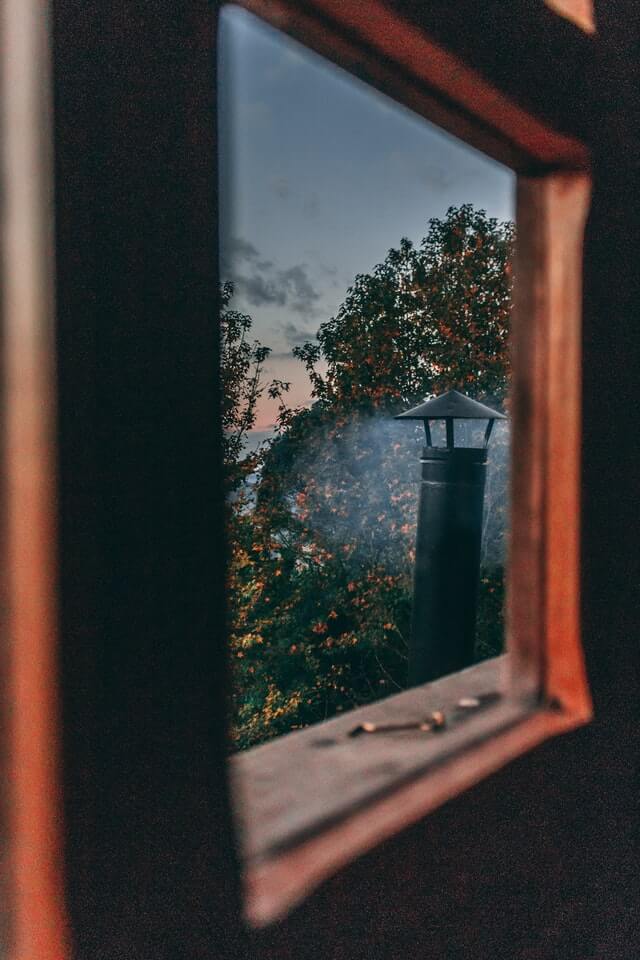
3 Reasons Why Chimney Chase Covers Are So Important
What is a Chimney Chase Cover?
A chase cover (sometimes called a chase pan, top flashing, or top pan) is a square or rectangular piece of metal that is fitted to sit securely on top of your chimney chase, helping to keep water and other environmental elements out. The chase cover is exposed to the sun, wind, and other damaging elements year-round.
Why is a Chimney Chase Cover so Important?
- Safety
Understanding the different components of your chimney can help you maintain it for future use while keeping your family safe. A chimney is, after all, a hole in the roof of your house that helps control fire, and smoke. Both elements can be damaging to your home, safety, and health if not taken care of properly. Below are the main components of a chimney:
- Bricks
The bricks compose the foundation of your chimney. If left unmaintained or damaged, your safety and the structural integrity of your chimney are at risk. Damaged bricks can lead to structural damage to your chimney and home, as well as moisture and water damage that can lead to dangerous mold and mildew.
- Chimney Flue
The flue is a vertical shoot that allows combustion materials to exit your home. Homeowners are required by law to line the flue.
- Chimney Liner
Usually composed of ceramic tiles, the Chimney liner lines the flue to prevent fire and smoke damage to the chimney and the house. Liners must be free of cracks or splits. Use of the chimney should be prohibited if there are any cracks present in the liner.
- Chimney Cap
Helping to prevent roof fires, the mesh used in a chimney cap helps to contain sparks from the fireplace. In addition to preventing sparks from escaping, the chimney cap helps keep outdoor elements like rain, snow, debris, animals, and insects from entering your home.
- Chimney Chase Cover
Used to cover the opening of the chimney, and most commonly made out of copper or stainless steel, chimney chase covers can be made available in several material options, including:
- Copper
- Aluminum
- Stainless and Galvanized Steel
- Chimney Flashing
Located where the chimney meets the roof, a chimney flashing’s purpose is to protect the roof of the house along with the rooms below it from fire and water damage. Chimney flashing is often made out of vinyl, aluminum, copper, or steel to seal the area when the chimney goes into the roof.
- Chimney Crown
The slab of concrete at the top of the chimney. The chimney crown, also known as the chimney wash prevents water from entering the chimney.
- Fireplace Damper
Also known as the throat damper, this chimney component is located at the throat of the chimney, above the firebox. The damper can be closed when the fireplace is not in use, so that heated or cooled air won’t escape the house.
- Smoke Chamber
Located between the flue and the damper, the smoke chamber compresses combustion byproducts so they can exit through the chimney rather than reentering your home.
- Cost
The chase cover helps protect both the exterior and interior components of the chimney. When damage occurs to the external part of your chimney, like a domino effect, there is almost always damage to the interior of your flue system, fireplace, and even your home.
Damage to the chase cover is often caused by water buildup and rust. Water damage is usually caused by flat or improperly installed chase covers. This sort of water damage can be prevented by cross-breaks or a dome effect, allowing water and debris to flow AWAY from the chimney.
By the time most people notice the inadequacies in their chase covers, the costly damage to the chimney, roof, or fireplace is already done. This is why it is so important to have annual inspections and maintenance by a knowledgeable CSIA Certified Chimney Sweep who can provide you with the proper service and suitable parts for your system.
- Comfort
Neglecting to maintain your chimney chase cover will eventually lead to chimney flute, roof, fireplace, and home damage. Backdrafts in your chimney due to damage and neglect can snuff out your fire and force smoke back into the home, making regulating temperatures in your house difficult. Every chimney is unique, so a thorough inspection before a repair is highly recommended.
Let Brick + Ember Outfitters Indy’s licensed professionals help you stay warm and safe year-round by scheduling an appointment for a chimney inspection and customized today. Contact us to get started!

How to Prevent a Chimney Leak
How to prevent a chimney leak. Although they don’t tend to be the most used portions of a house, chimneys can cause a lot of problems. They are typically located above the roof line, which means that they are one of the first to take damage during a destructive event.
Between rain, storms, or condensation, moisture traps itself into the brick and mortar of a chimney. Many homeowners don’t think twice about this, and for understandable reasons. Since they are so cut off from the rest of the building, damage festering within the chimney goes unnoticed until it is too late for prevention.
Left unchecked, chimney damage can cause fires, moisture, or even carbon monoxide poisoning. They are often the cause of many unsolved problems, so if you’ve been experiencing some of these issues yourself, it could be your chimney.
It is important to try and prevent these situations from happening, so here are some ways that you can stop your chimney from leaking.
Get a Chimney Cover
One of the first and easiest things that you can do to prevent a chimney leak is invest in a chimney cover. If birds, pests, or rain have been getting into your house, it is most likely because you don’t have anything protecting the top of your house.
Chimney covers avoid too much rain getting in, especially since it tends to bring in debris along with unwanted moisture. Above all, keeping chimneys free from any blockage prevents Carbon Monoxide poisoning, a deadly and devastating health hazard.
Have a professional come out and place a chimney cover over the flue. If you already have one, check to make sure that it hasn’t sustained any damage. If your current chimney cover is damaged or needs to be updated, change it immediately.
Waterproof Your Chimney
Since they take the brunt of most water related events, it may be time to think about waterproofing your chimney. It is an easy and efficient way to prevent leaks, moisture, or water damage, especially when it may be happening under your nose.
Keep your chimney intact by taking the initiative to waterproof your chimney. If you would like to try and waterproof the chimney yourself, make sure that you prepare yourself by wearing protective clothing and researching every step of the process. However, while it is one of the few chimney projects that you can do on your own, it is highly recommended that you hire a professional service.
Keep an Eye on Your Chimney Crown
The Chimney crown is the cement portion at the top of the chimney. The purpose of the crown is to keep rain and snow out of the flue. However, because it is often made out of brick, it is common for cracks to form around the tiles. Masonry is known to be very durable, but due to the natural passing of time, the cement begins to deteriorate.
When this happens, moisture gets trapped inside the chimney. If water keeps getting into your home unexpectedly, it is likely because you have a damaged chimney crown. This happens when the crown gets cracked, causing rain to pour right through the masonry and allowing moisture to get trapped in the flue.
When this happens, masonry repair is required. If the damage isn’t severe, a simple coating treatment will be enough to fill in the cracks. However, if there is significant damage to the crown of the chimney, masonry professionals will need to remove the old cement and replace it with new brick.
Check Your Flashing
Have you ever noticed that there is a gap between the mortar, your roof, and the chimney? This is an aluminum piece known as the flashing, which is there to prevent water from entering the brick.
However, if this isn’t sealed or it has been damaged in some way, leaks can trickle into your chimney. Since it is often built out of waterproof material, it only lasts for temporary periods of time before periodic check ups may be necessary.
If you don’t have flashing already, hire a professional to install it into your chimney. If you know you already have it and have experienced regular chimney problems despite routine sweeps, then your flashing may be the culprit.
Watch Your Wallpaper
Have you noticed subtle changes in your wallpaper? Has it started to crack and fold, particularly in areas where you know a chimney is nearby? Peeling wallpaper can be one of the first signs that your chimney is leaking, but it can also help you prevent it from getting worse.
If you notice changes in your wallpaper, you may just need a chimney liner. However, if you’re worried about the severity of your chimney’s damage, check in with a professional so that they can survey the problem.
Solve Your Chimney Problems With B+E!
At B+E, we value the safety of your home. A chimney leak is our specialty, and we want to properly help you solve any problems you may be experiencing. Whether it be chimney leaks, routine sweeps, or restoration, we are here to help!
We welcome any questions you have about chimney services. If you would like to request an evaluation, please contact us today.

Masonry Repair vs. Restoration
Masonry repair vs. restoration. If you’ve taken a closer look at an old building or even your own living space, there is a good chance that you have observed the work of masonry. Masonry is the method of constructing buildings with bricks and mortar. This is done by a cement mortar that welds bricks and stones together, creating the beautiful buildings you often see in older city neighborhoods.
However, as time goes on, construction continues to evolve, and the art of masonry has become a method of the past. However, that does not mean that it is no longer used. On the contrary, it can be even more essential as the passage of time takes a toll on old city buildings.
Although masonry is known to be very durable, it is natural to find cracks, holes, or disrepair in older brickwork. If you have a chimney in your home, it may be time to consider having it repaired.
But what is the difference between masonry repair and restoration? How do you know if you need to hire a masonry service? Here are a few things to think about if your building, chimney, or historical landmark is in need of improvement.
Masonry Repair
Masonry repairs refers to the process of patching cracks in the mortar. This can also mean plugging gaps that have appeared over time. Some other forms of repair include replacement of old mortar that may be starting to crumble. Masonry repair also applies to patching and fixing old stone. This can mean repairing impaired stones or completely replacing the stone with new ones.
You may be in need of masonry repair if you have experienced these issues in your home:
- Cracked or chipped bricks
- Crumbling mortar
- Brick Discoloration
Masonry Restoration
Masonry restoration focuses on the building as a whole, making it a much larger project. Sometimes, especially in particularly old buildings, there is simply no way that repairs can be made without fixing the entire problem.
This is necessary to improve the building’s design and to avoid it from collapsing. This is particularly important when restoring historical buildings that have been an integral part of the community for years.
The process of masonry restoration begins with removing the old brick and mortar and replacing it with completely new materials. It is natural to see mortar disintegrating over time, especially when it has to do with extremely old buildings. It is for this reason that restoration is important for buildings of important historical value.
What’s the Difference?
Simply put, if you have been comfortably living in a brick household for a long time, you probably only need to have your masonry repaired. Restoration only needs to happen if the entire structure is unsound, which rarely applies to dwellings where people are presently residing. Restorations need to happen if the building has been abandoned for some time or if it is planning to be used for historical significance.
Restorations are much larger projects, take more time, and proceed with the purpose of restoring the building back to its original appearance. Repairments make small adjustments to the mortar to prevent any further damage, take significantly less time, and are very common.
A diligent property owner will make annual repairs to the brick if they know the building was made out of masonry. It is very rare for someone to own a building long enough for it to need restoration, and repairs are usually made regularly to prevent that from happening.
When to Seek Out Professional Help
If you are noticing chips, holes, or cracks in your building’s brick, it is time to get repairs done. This also applies to chimneys or sidewalks on your property. If these are done on a regular basis, there will be no need for an entire restoration project.
If there is a historically significant building in your community or you are thinking of investing in an older building, restoration will be required. Left unattended, decaying brick and mortar could make the building structurally unsafe. It is important to restore the building immediately if it is being planned for further use.
Why Should You Choose Brick + Ember Outfitters for Masonry Services?
Brick + Ember Outfitters of Indianapolis are here to help you with your brick and mortar needs. Whether it be regular masonry repairments for your chimney or fixing old stone on your house, Brick + Ember Outfitters is here to help.
Our professional team of experienced masonry professionals can assist you with chimney installation, masonry repair, or even restoration. Any questions you may have are greatly encouraged, and we are available through the entire process to make sure that everything is to your satisfaction.
Repairing damaged or aging masonry can be stressful to handle on your own, but it doesn’t have to be. By choosing B+E, you are one step closer to a home that looks and feels like new. To learn more about our masonry services or to schedule an appointment, contact B+E today.
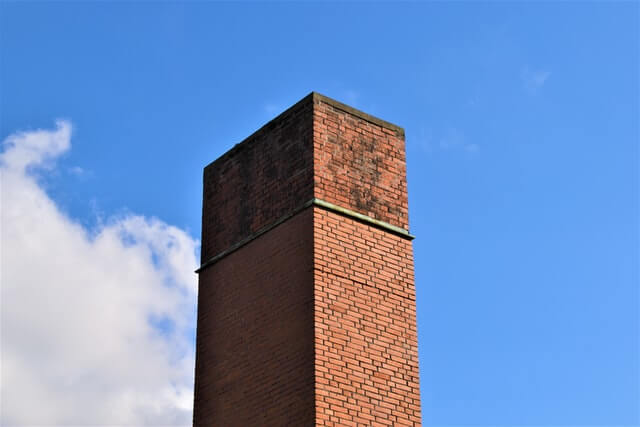
Summer Chimney Sweep: Chimney Maintenance
Summer chimney sweep: chimney maintenance. The last thing on your mind during the sweltering summer months is probably your fireplace, but this warmer climate lends itself to the perfect time to sweep your chimney. During the winter, while you use your fireplace or wood-burning stove to keep warm, creosote and soot are building up inside your chimney. Once the weather warms, and you are no longer using your fireplace, birds and other small animals find chimneys to be the perfect place to make a home. The combination of soot buildup and potential debris from weather or animals inside your chimney flue is the perfect combination for a fire.
Prepare your chimney for the burning season with a summer chimney sweep. There are several key benefits to get your yearly chimney sweep in summer, and Brick + Ember Outfitters is here to help!
Chimney Maintenance
The chimney uses the pressure difference caused by a hot column of gas to create a draught and draw air over the hot coals or wood enabling continued combustion. During normal operation, a layer of soot, and creosote builds up on the inside of the chimney, restricting the flow. The creosote can also catch fire. A chimney sweep is someone who clears ash and soot from the chimney's flue by sweeping and removing the soot from within.
Fire!
The only place you want to see a fire in your home is inside the fireplace. Soot and creosote buildup not only restrict airflow to your fireplace, making it more difficult for your fire to burn, but can cause a backdraft pushing smoke into your home, and worse yet, the soot and ash can catch fire. If the soot or creosote does catch fire in the chimney flue, your entire home can burn down.
Don’t Freeze
Chimney sweeps need the chimney to be cold in order to inspect, sweep, or repair it. If you wait until the winter months to call for help, you will need to refrain from building a fire at least 24 hours prior to your chimney inspection. Long, cold nights in the winter won’t be necessary if you plan accordingly and have your chimney swept during the summer.
Cost
Regular maintenance on your chimney during the summer months can help you avoid costly repairs to damaged chimneys, roofs, or fireplaces in the winter. Neglecting to have your chimney swept and inspected can lead to buildup that can start fires in your chimney, on your roof, and in your home. Smoke being pushed back into your home from a chimney with too much soot can cause irreversible damage to your furniture, walls, carpet, and clothes.
Availability
The cold winter months are the busiest time of the year for chimney sweeps and technicians. Waiting until winter to get your chimney swept or repaired can lead to longer wait times and fewer technician availability. Waiting on an appointment can make sweeping your own chimney seem tempting, but this is very messy work and can be dangerous without all of the right equipment. Scheduling regular summer inspections will allow your chimney technician to identify and fix any problems long before the cold winter months hit.
Safety
Chimney professionals can identify problems that most homeowners would miss. If a chimney becomes obstructed, not only can it lead to a fire, but it can cause deadly carbon monoxide to enter the home instead of escaping out of the chimney. Without the proper training and equipment, sweeping the chimney and checking for chimney obstructions by climbing the roof can be very dangerous. Make sure to have someone who is licensed and trained inspect your chimney.
Inspections are vital in determining what service you need to have done to your chimney. There are three types of inspections that can be performed:
- Level one: This inspection is recommended for a chimney that is well maintained, typically with annual sweepings.
- Level two: Recommended for new homeowners, or a home where there has been a recent change or damage to the chimney. This inspection ensures the chimney is working properly and that there is no obvious damage.
- Level three: Recommended for chimneys with visible or obvious damage. This level of inspection requires a skilled technician in order to identify issues that are not obvious or visible. This level of service can be used to identify previous flue-fire and water damage.
Brick + Ember Outfitters Indianapolis
At Brick + Ember Outfitters Indianapolis, we can ensure that all of our technicians are certified and trained to not only provide the most skilled work but the best customer service as well. Each of our technicians is certified by the Chimney Safety Institute of America, or CSIA, and has worked on the many unique types of chimneys and fireplaces.
We take professionalism to the next level here at Brick + Ember Outfitters by assuring our customer’s safety and trust. Our technicians will come to your home in a Brick + Ember Outfitters branded car and have identification on them every time so there's no guesswork as to who’s entering your home.
Request an appointment with one of our CSIA certified technicians today!
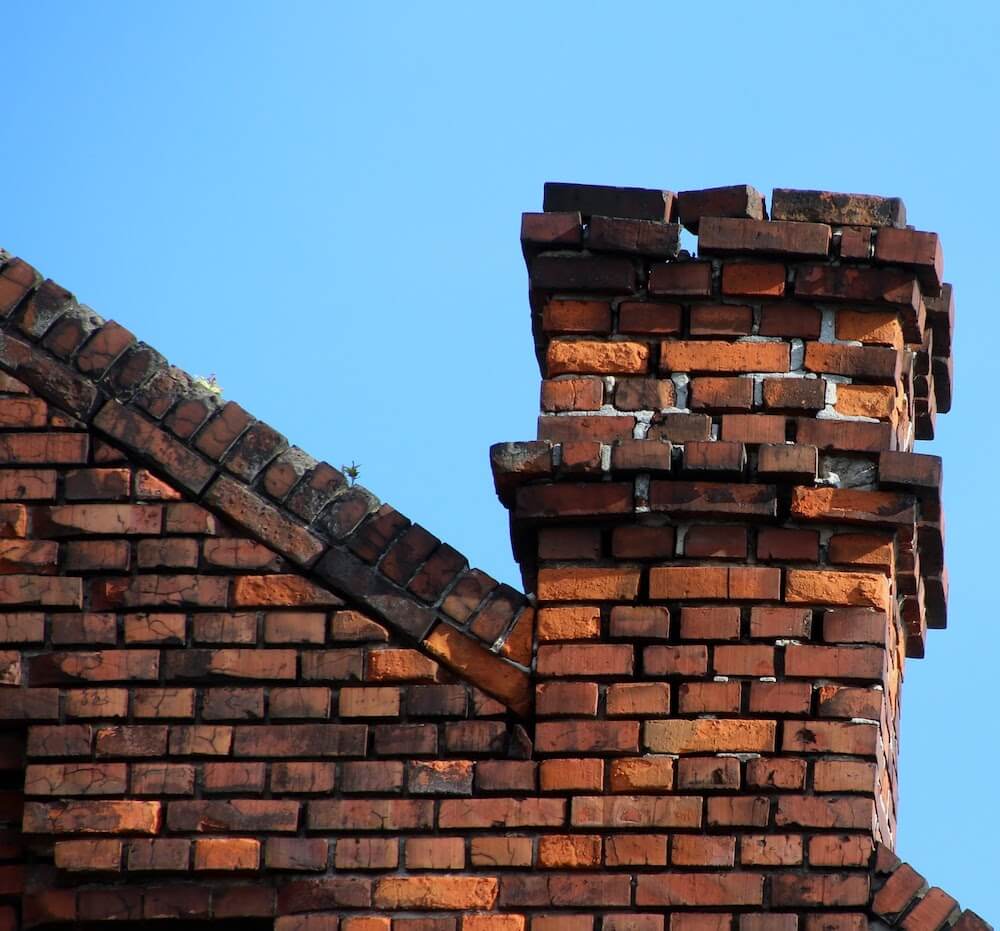
What To Expect During a Chimney Inspection
What to expect during a chimney inspection. Since they tend to be the least-used portions of the house, it can be easy to ignore your chimney. However, the amount of junk that can get trapped in the flue may become a danger to your home.
For one thing, chimney fires can be an extreme safety hazard, particularly if you happen to have a wood-burning fireplace. In fact, chimneys are the cause of 42% of house fires. This happens because of residual, dust, pests, or soot that wedges itself into the heart of the sweep.
Wood burning fireplaces increase your chance of a fire because of a material known as creosote. This gets stuck to the side of the flue, resulting in unplanned fires that can reignite when left unchecked. The most dangerous part about these fires is that they tend to spark at the top of the fireplace, letting it go undetected before reaching other portions of the house.
The good news is that fires can be prevented, and a chimney inspection can help you get there. Not only do they keep you and your household safe, but it prevents the need for chimney repair, dust buildup, and carbon monoxide poisoning.
Indianapolis Brick + Ember Outfitters offers these services to you if you are in need of a routine chimney sweep. If you are thinking about getting your chimney examined, here are some things that you should know prior to an inspection.
Different Levels
Overall, a typical inspection would include a quick sweep, an observation of possible damage, and a maintaining of structural integrity. However, there are actually three different types of inspections varying in price, service, and specialty. When your inspector arrives, they will briefly oversee the home and tell you what kind of inspection might be best for you.
Level I
This will allow for easy accessibility to the chimney. No tools will be necessary, and it is a sign that the chimney is well kept. A proper level I chimney inspection will be utilized when there is little to no damage to the structure. This is a normal level for annual inspections that are done on a regular basis.
Level II
This level is more extensive, often including extra equipment on top of a chimney sweep. The inspector will often use a camera to look for any interior damage they may have missed. This type of inspection is done if you have changed something in your home, such as a heating system, or if you feel there is damage following the aftermath of a storm. If you are selling your house, it is required that a minimum level II inspection is done.
Level III
This is the most intense type of inspection. Depending on the severity of the damage, an inspector may need to get into hard-to-reach areas. This would be done by cutting into the masonry, drywall, or stone to crawl into particular parts of the chimney. Because it is so invasive, a proper inspection of this kind would include a consultation with your chimney services. Your inspector would work with you to figure out whether or not a chimney repair project would need to be added on top of the sweep.
Be Prepared With Your Own Observations
No one knows your house better than you, so if you have been noticing issues that may be attributed to your fireplace, let your inspector know. By making your own observations and paying close attention to the state of your chimney, you could prevent damage later on.
Before your inspection, take a quick look at your chimney’s exterior and interior surroundings. Are you noticing any cracks in the masonry? Is the wallpaper around your fireplace peeling? Have you noticed pests in your house? All of these things could have to do with your chimney, so be sure to let your inspectors know about it.
Expect a Chimney Sweep Recommendation
No matter the outcome, a chimney service will likely recommend getting an annual chimney sweep. It only takes a brief observation for the inspector to know whether it has had a recent sweep or not, and they will be able to tell you what you need immediately.
Although it may seem tempting to hold off on it for another year, a basic chimney sweep could possibly save your life. Not only does it prevent fires, but it could greatly reduce the chances of carbon monoxide poisoning occurring in your home, a deadly health hazard.
Don’t wait for something bad to happen before getting a chimney sweep. If an inspector recommends it, take the opportunity to get it done.
Get Your Chimney Inspected With B+E
At Brick + Ember Outfitters Indianapolis, we understand how important your home is to you. If you are feeling that something is wrong with your chimney or you are simply in need of a routine inspection, please don’t hesitate to contact us.
We welcome any questions you have about our services. If you would like to inquire about an inspection or schedule an appointment, please reach out to us at 317-500-1250 or office@brickandember.com.