
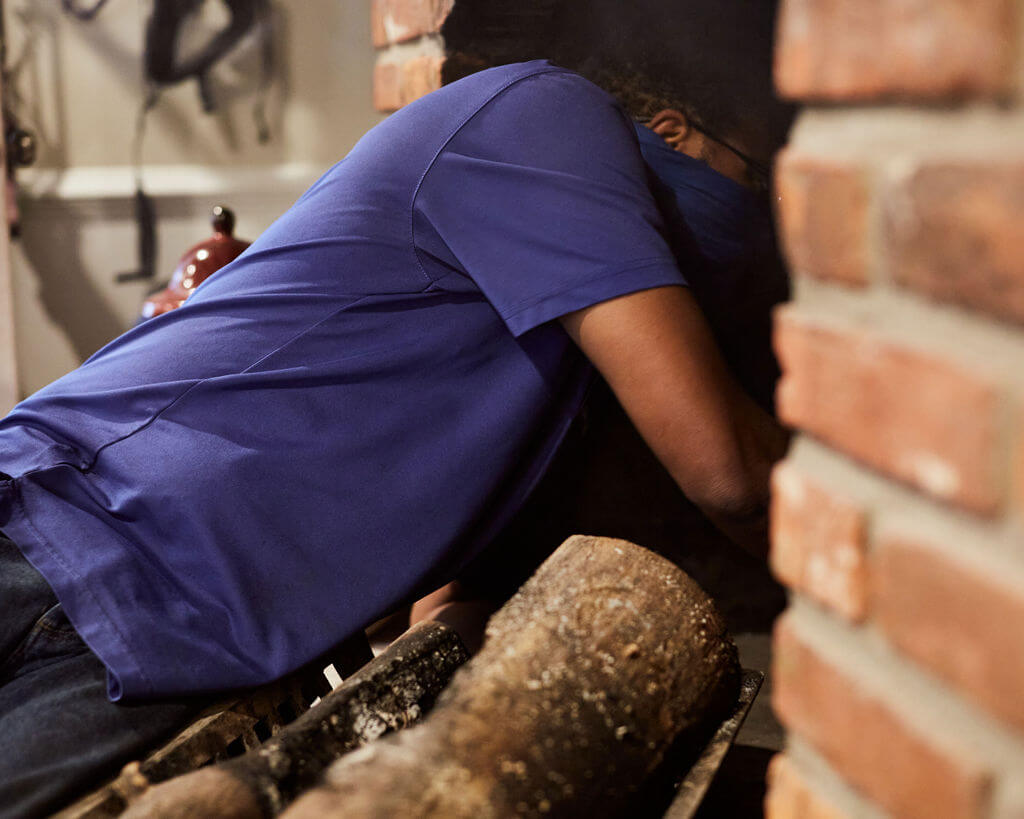
How to Identify a Qualified Chimney Sweep
How to identify a qualified chimney sweep. Maintaining the chimney and fireplace in your home is an important step to take to protect yourself and your family from incidents such as accidental fires and carbon monoxide poisoning.
However, it is not always easy to find a qualified chimney sweep who you know you can trust to take care of your home.
Scam artists may try to draw you in with unbelievably low prices, only to end up taking poor care of your chimney or making you pay extra to do unnecessary repairs.
We know what it takes to be a trustworthy, reliable, qualified chimney sweep. Here are a few things to look out for the next time you search for a chimney sweep.
Proper Certifications
The number one way to ensure you are hiring a qualified professional to sweep your chimney is by making sure they have a certification from the Chimney Safety Institute of America (CSIA).
The CSIA is a nonprofit organization that has dedicated its work to educating, training, and certifying chimney professionals and related industry professionals. They also work to raise public awareness about dangers that can arise from chimney fires and other chimney and venting issues.
A good place to start when searching for a sweep is to use the CSIA search function to find CSIA certified professionals within a given radius of your zip code.
If you find a potential chimney sweep without using the CSIA website, make sure you ask them for written documentation of CSIA certification. Sometimes the owner of a company is CSIA certified while the individual employees are not.
Another nonprofit organization that is a good indication of a quality chimney sweep is the National Chimney Sweep Guild (NCSG).
The NCSG is a trade association that provides education and advocacy for professionals within the chimney and venting industry.
While this is not an official certification, membership in the NCSG indicates that the chimney sweep is a professional who is dedicated to their chimney maintenance expertise. NCSG members stay aware of current industry best practices and the latest technologies.
Strong References and Reputation
Always try to ask for a list of references when you are searching for a chimney sweep.
If they will not provide you with any references, this could be an indication that they are not a qualified professional or that they do not have a great reputation with their past clients.
Contact their references to ask for a quick summary of their satisfaction level with the chimney sweep and their services.
Word of mouth can also be a great way to find trustworthy chimney sweeps and avoid those with poor reputations.
Ask your neighbors or other people in your local area who they or their friends have used for chimney services. Once you have a name of a chimney sweep from them, you can check that they are CSIA certified and have other strong references to back them up.
Proper identification is also an important part of finding a trustworthy professional to work with inside your home.
Most companies will provide their employees with identification badges, and they will most likely arrive at your home in a marked vehicle wearing the company’s official uniform.
Always ask for identification and make sure that it matches with the information you have for the company.
Liability Insurance
Ask about the company’s insurance policy. You want to hire someone who has full coverage liability insurance in the event that damage occurs to your home.
Since the chimney sweep will be on your roof and inside your home, it is essential to know exactly what their insurance policy covers and to only hire professionals who are fully insured to protect your home.
It is not likely that you will ever actually have to worry about chimney insurance coverage, but accidents do happen.
Hiring someone who has a full coverage insurance policy will give you peace of mind and ensure your home is safe and protected.
Hire a Qualified Professional Today
Having an annual chimney sweep done in your home is the best way to make sure your chimney is in the best condition it can be and that your home is protected from chimney fires.
Finding a qualified chimney professional doesn’t have to be hard.
At B+E, we have all CSIA-certified technicians on our experienced team, and we take great pride in maintaining community safety.
We want you to be able to sleep soundly at night with the knowledge that your home is safe and has a well-maintained chimney and fireplace.
Contact us today to work with a qualified chimney sweep!

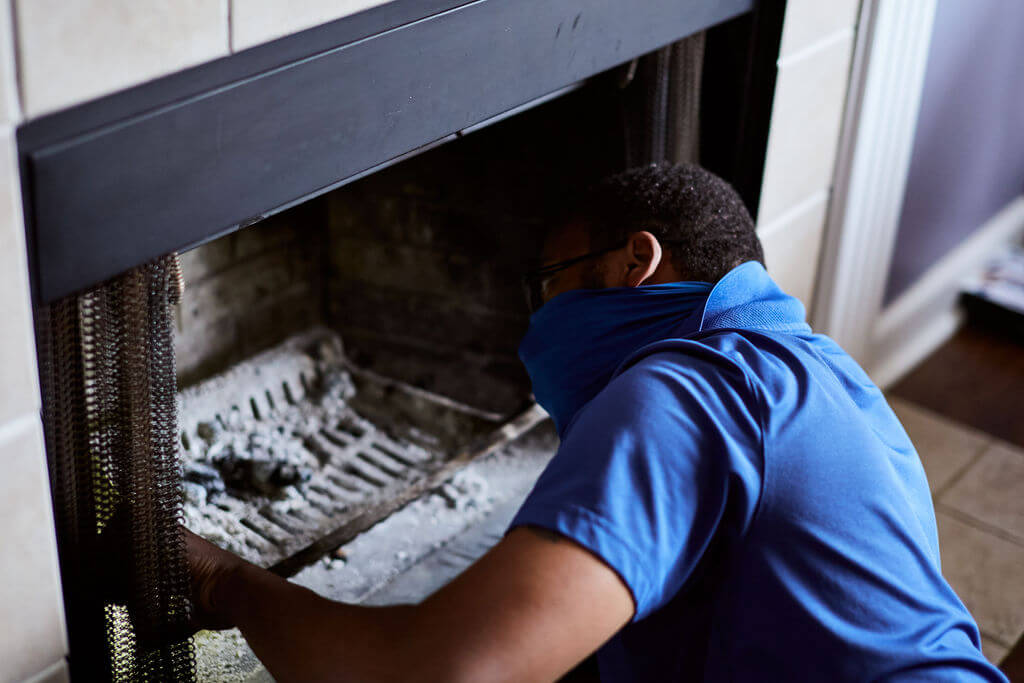
The Importance of Smoke Chamber Parging
The importance of smoke chamber parging. One important area of your fireplace that you may not think about very often is the smoke chamber.
The smoke chamber sits just above the fireplace damper and is an open area where the fireplace first starts to channel smoke and other gases upward and out of the chimney.
Just like any other part of the fireplace, it can become damaged and need upkeep or repairs over time and should be considered when you are thinking about having maintenance work done on your fireplace.
Smoke chamber parging is a crucial part of keeping your fireplace in top condition and in line with any codes and regulations in your area.
What is Smoke Chamber Parging?
Smoke chamber parging is the most common repair done on smoke chambers.
Parge is another word that means smooth. To parge a smoke chamber, masons apply a layer of mortar to the walls of it.
The mortar helps to fix cracks and irregularities in the smoke chamber, and it also helps to correct structural issues. This is important to make sure your smoke chamber is in top condition and adheres to all code requirements.
There are two different methods chimney technicians use for smoke chamber parging: spray-on and cast-in-place.
With the spray-on parging process, the technician sprays a new coating over the existing surfaces of the smoke chamber to create a smooth and even surface over the entire structure.
Cast-in-place smoke parging involves applying new masonry over corbelled surfaces. It smooths out the surfaces, and it can really benefit older or damaged smoke chambers by strengthening them.
Why is This Process Important?
As a part of your fireplace, it is essential to keep the smoke chamber in excellent condition to avoid hazards or other serious complications from starting a fire.
There are three main reasons why smoke chamber parging is important and can save you a lot of trouble further down the road.
Irregular Smoke Chamber Construction
A smoke chamber that was poorly constructed may have uneven walls, which leads to easier buildup and accumulation of hazardous flammable material inside it.
Some of the common construction irregularities are bulging sections of mortar and poor placement of stones.
When a technician parges these irregularities, they get smoothed out and leave behind a more consistent and even surface. This helps with airflow, which greatly improves your draft and the overall efficiency of your chimney.
Older chimneys are especially prone to have smoke chambers that are constructed in ways that lead to a buildup of creosote and soot, so smoke chamber parging can protect older homes from fire hazards.
Cracks and Holes in Masonry
Sometimes masonry gets damaged over time. Cracks and holes can form inside the smoke chamber and allow air to escape.
These damages affect the draft and the way that it pulls smoke upward and out of the chimney. By parging and applying mortar to these gaps, they can be closed and you can prevent new cracks and holes from forming.
Code Regulation Compliance
Smoke chambers must be parged, according to most building codes. Homes that are older than the building code may still have smoke chambers that have not been parged.
Previous homeowners also may have found ways to avoid smoke chamber parging, thereby not complying with the codes.
In the event of a chimney fire, your house insurance is unlikely to cover damages if your chimney is not up to code, so it is essential to make sure the smoke chamber is parged and all other aspects of the chimney follow current building regulations.
When to Do It
The Chimney Safety Institute of America recommends that chimneys be inspected once a year.
Having your chimney inspected on a regular basis, even if nothing seems to be damaged, can ensure your chimney and fireplace are in the highest working condition.
Professional inspectors can check the condition of your smoke chamber and determine if the walls are smooth or if it is in need of parging.
A well-parged smoke chamber will still require regular cleaning to get rid of whatever buildup exists and keep it in working condition.
Schedule a Smoke Chamber Parge Today
Whether you have noticed changes and malfunctions in the way your fireplace functions or just want to check to make sure everything is working the way it should, a professional chimney inspector can give you peace of mind about the controlled fire in your home.
No job is too big or too small for us to handle when it comes to the safety of your fireplace and chimney.
Schedule an appointment today by filling out the form on our website, or give us a call if you have any questions related to smoke chamber parging or the inspection process.
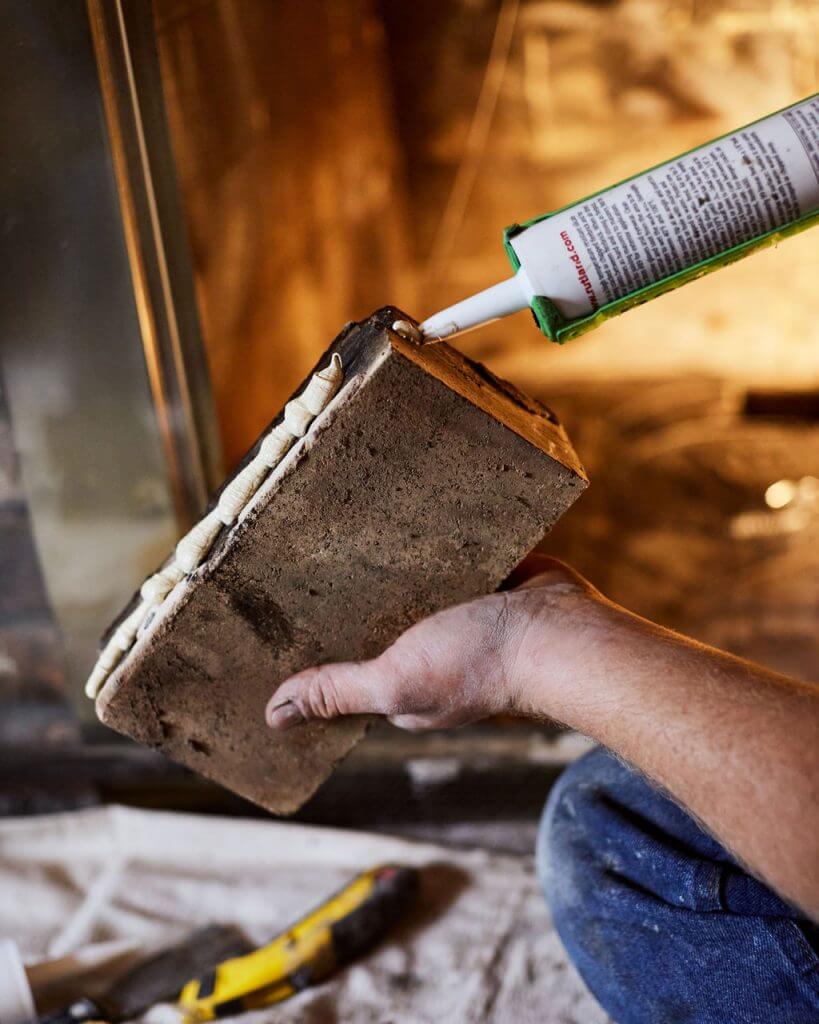
The Pros and Cons of Chimney Installation
The pros and cons of chimney installation. Some people wonder whether it’s a good idea to install a chimney in their home. If you’ve always dreamt of having and operating a fireplace or wood stove, then the choice to build a chimney seems straightforward. But it may not be that simple.
A properly installed and maintained vent can help remove harmful smoke and fumes from your home. However, if it isn’t routinely inspected and cleaned at least once a year, a chimney can become a fire hazard. To help you make an informed decision, we’ve outlined the advantages and disadvantages of installing a chimney in your home.
What is Chimney Installation?
There are a few ways to install a chimney. For one, you could have it go through the roof or the wall. You could also opt for a masonry chimney made of bricks or stone that encompasses a metal chimney. No matter which method or design you choose, here are some things to consider when you’re planning your installation:
- A chimney’s purpose isn’t solely to draft a fire in a fireplace. It can also serve other heat sources that burn fuel, like a water heater or wood stove.
- The inner diameter of your chimney and pipe should be the same size as the outlet of whatever your connection is.
- A through-the-roof installation requires a hole in the center of your ceiling large enough for the chimney to go through. In contrast, the through-the-wall method offers more versatility in placement options and can operate from the ground, proving much safer than the roof.
- Straight vertical installation through the roof is more efficient, easier to clean, and produces less draft than a venting system with a bend, which tends to restrict draft or airflow.
- Venting through the roof requires a black stovepipe, while through-the-wall venting needs a class A chimney pipe.
- Chimneys should be tall and have a cap to prevent fires and other hazards, as well as avert pests and small animals from entering and making it their home.
Pros of Chimney Installation
The most significant benefit of installing a chimney is experiencing a cozy, warm fireplace on cold winter days without having to compromise the air quality in your home. You can comfortably use your fireplace or wood-burning appliance while the chimney safely removes smoke, hot gases, and other harmful particles produced by the fireplace. And not only are wood fireplaces and appliances a good source of heat, but they also can replace utilities in your home that depend on fossil fuels, thereby reducing your energy bill and carbon footprint.
A less conspicuous benefit of adding a chimney to your home is the aesthetic appeal factor. Whether you use brick or opt for the electric chimney, having a chimney can add a classy, sophisticated look to your home, which may increase the value of your property.
Cons of Chimney Installation
Even though a chimney can be a beautiful and practical addition to your home, it also has the potential to be very dangerous and costly. Fireplaces, for one, can cause the accumulation of debris, including a sticky, toxic substance called creosote. That buildup can lead to a chimney fire if the chimney is not properly maintained.
Also, installing a chimney in an already built house can get expensive. And if it’s not installed correctly or well-maintained regularly, you can end up spending more money on repairs and damages. Even if you do not use a fireplace or stove, once you install a chimney, it’s best to get into the habit of having a professional inspect and clean it at least once a year.
Professional Chimney Installation is the Key
You may think you can save money by purchasing a chimney system and installing it yourself. However, if the installation is inaccurate, you risk damage to your home and high costs for repairs and replacements. Plus, you may lose your warranty on the system for not installing correctly. Hiring a trained professional can save you time and money and protect that warranty with their expertise, equipment, and experience.
When it comes to chimney installation, there are regulations and recommendations to follow in order to minimize the risks of using a fireplace or woodstove. Besides ensuring you have the correct fitting, a professional will also guarantee your chimney adheres to all building codes. Therefore, working with a chimney installation service is essential for peace of mind, knowing you can use your fireplace or wood stove safely.
Brick + Ember Outfitters is Here to Help
Adding a chimney to your home can be a big investment. With our help, you can save energy and money, increase your property value, and have cleaner air quality. So if you’re ready to upgrade your home, contact B+E today. We will take you through the entire process to accommodate your preference in installation methods.
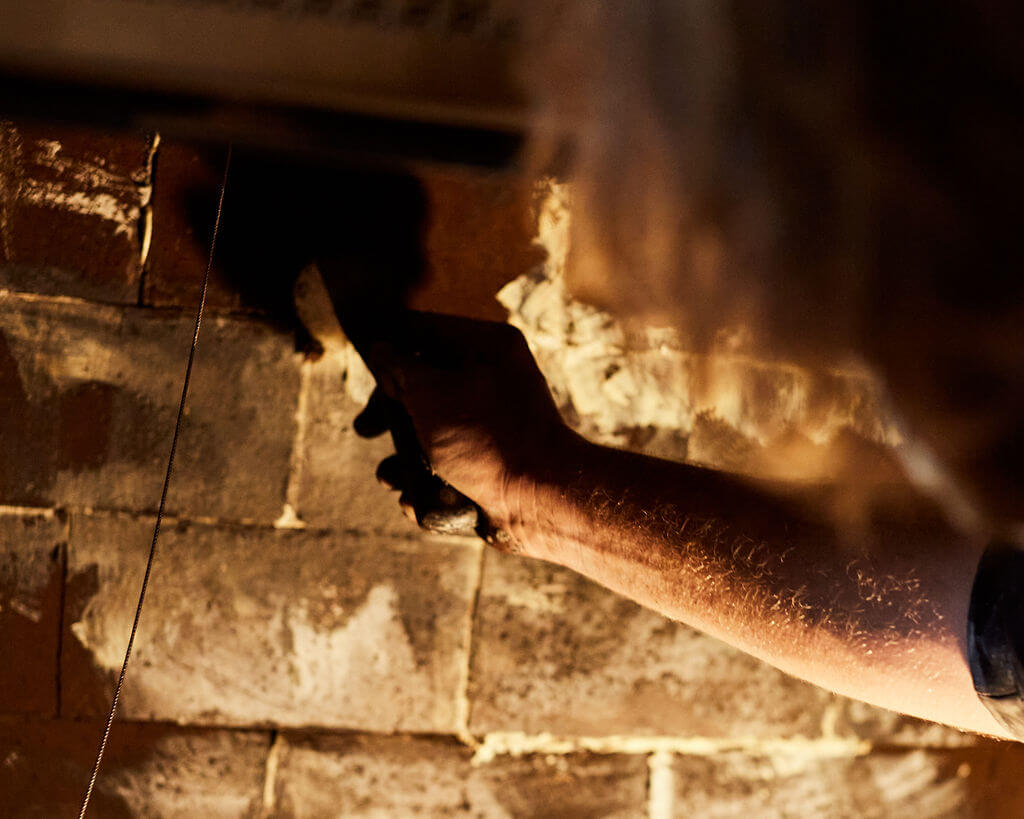
Is a Chimney Sweep Necessary for Winter?
Is a chimney sweep necessary for winter? Most people start lighting their fireplaces as the weather gets chilly. Who doesn’t enjoy snuggling by a roaring fire on a cold, dreary night? A fireplace can be a functional space that creates a warm, pleasant atmosphere in your home. But without proper maintenance, it can be hazardous and cause severe damage.
Winter may be weeks away, but it’s never too early to get your home winter-ready. Adequately preparing your home should include a professional chimney inspection and cleaning. Even if you don’t use your fireplace, it’s essential to check your chimney annually, preferably before the coldest months of the year.
Here, we’ll discuss why it is necessary to schedule chimney sweep services for the upcoming winter season.
Avoid a house fire
Imagine you didn’t clean your chimney and its components regularly. In a wood-burning fireplace, the chimney and its flue usually funnel out toxic gases, smoke, tar fumes, water vapors, hydrocarbons, and other byproducts of burning wood. But without a thorough sweeping, all of those harmful elements would accumulate inside the chimney.
When those particles meet cold air, that reaction forms an oily, flammable substance, creosote, along the chimney walls. Once that happens, your risk of a house fire increases. If you want to avoid such a dangerous situation, hiring a chimney sweep before the weather cools down is your best option.
A gas fireplace can also cause an explosive house fire if you neglect its maintenance. You don’t have to worry about creosote buildup in a gas fireplace, but you do have to be on the lookout for faulty components. With an appropriate amount of time, a chimney sweep can make the necessary repairs and remove obstructions that pose a fire risk so you can have a working fireplace when you need it most.
Eliminate the risk of carbon monoxide poisoning
If you attempt to use your fireplace without executing a routine inspection, you risk not only a chimney fire but also carbon monoxide poisoning. Before the cold hits, a sweep will be able to easily remove any obstructions that may block fumes from traveling outside your home. Getting a certified professional to check your chimney before the winter months ensures your safety from this odorless, tasteless gas.
Identify damage and enhance performance
Chimneys can sustain a lot of damage, especially during the winter. Heavy winds and precipitation usually batter the outside of the chimney, while extreme heat and harsh chemicals from the fire wear down the interior. Arranging an inspection with an expert earlier in the year gives you plenty of time to assess and address all chimney-related issues before the first snowfall.
However, if you decide to forgo a chimney inspection, you risk further damage to an already compromised chimney. By winter, snow and other moisture can seep into the cracks and broken seals, which could lead to highly expensive repairs in the future or render your fireplace unusable.
Instead, it would be more cost-effective to use a chimney sweep service. Not only will your chimney undergo careful inspection, cleaning, and repairs, but the sweep can also make helpful recommendations such as:
- How to build safe and efficient fires, which produce more heat and less harmful emissions;
- Which wood to burn to reduce poor air quality;
- What types of tools and equipment are necessary to maintain your fireplace; and
- How to decorate your fireplace without creating a fire hazard.
Avert water damage
Another reason to hire a professional before winter arrives is to secure your chimney from water damage. If any of the components that generally protect your chimney from water have deteriorated, a chimney sweep would be the ideal person to restore those components and re-seal any cracks or holes.
You may even want to discuss adding a waterproof solution or chimney cap with the sweep. That way, your chimney will be able to withstand any heavy precipitation like melting snow or freezing rain.
Improve air quality
The air quality in your home can have a significant impact on your health. That is why it is critical to ensure your chimney functions correctly during the winter when people spend more time indoors. And if you delay too long, your chimney can end up developing unpleasant odors from the blockages, creosote, water damage, and trapped fumes and smoke. Chimney sweeping can remove anything that may be causing terrible smells, thereby improving your home’s air quality.
Count on Brick + Ember Outfitters for your chimney sweep and inspection
If you want to take advantage of your fireplace all winter long, we suggest booking an appointment with our team of professionals right away. Delaying the process will make it more difficult to enjoy the perks of having a fireplace. Plus, it could end up costing you more in terms of money and your health. Let us help you get your fireplace ready for another winter. Contact us to schedule your chimney sweep and inspection today!
New Homeowner’s Guide to an Indianapolis Chimney Sweep
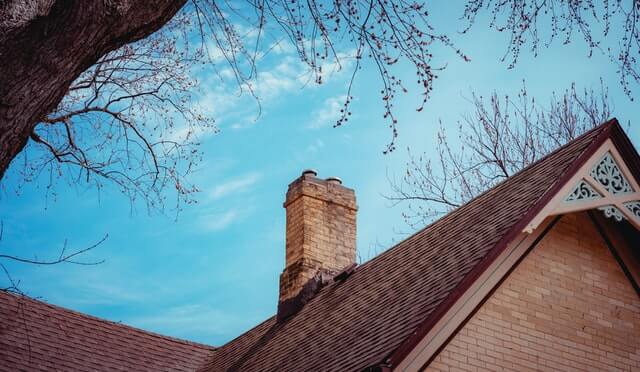
New homeowner’s guide to an Indianapolis chimney sweep. Congratulations on becoming a homeowner! Owning a home can be an empowering moment in a person’s life, but it can also be overwhelming, especially for first-time homeowners. And if there’s a fireplace in your new home, making sure your chimney is clean should be at the top of your to-do list.
There’s nothing homier than snuggling up to a fire on a cold winter’s night. However, if you do not check your chimney first to see if it’s safe to light a fire, you could cause an out-of-control chimney blaze. With a proper inspection and cleaning by a certified professional, you can prevent house fires and other damage to your new home.
What is a Chimney Sweep?
Cleaning a chimney can be an arduous task, resulting in a big mess if done incorrectly. You could even end up starting a house fire. Hiring a professional chimney sweep can make all the difference in helping you maintain your chimney to avoid fires and other disasters.
Chimney sweeps have extensive training in unblocking your chimney, cleaning smoke ducts and flue pipes, and providing suggestions about correct burning methods and proper chimney maintenance techniques. They also have the knowledge and tools to prepare the area before the job and clean up after completion.
The Chimney Sweep Process
Once you schedule your chimney cleaning appointment, you can expect the following:
- The chimney sweep will thoroughly examine and prep the area by laying down cloth or plastic to shield your home and possessions from any mess.
- Using protective gear and tools like heavy metal bristled brushes and long rods, the sweep will remove any debris along your chimney walls and blockages inside the chimney.
- Some professionals start with cleaning the flue and work their way up, while others may begin on the roof and sweep their way down the chimney.
- Depending on the prep work and the condition of your chimney, the whole process could take an hour.
If your chimney requires deeper cleaning from soot or the toxic creosote glaze that forms from lighting the fireplace, the chimney sweep may eradicate it with a chemical treatment. Sweeps may also have the task of safely removing any animals or pests that have made a home in your chimney.
And if your chimney needs minor repairs, such as replacing a chimney camp or liner, the chimney sweep may handle those issues on the same day or schedule the repairs for another time. Last, you will receive any recommendations for the next steps in your chimney maintenance routine.
Reasons to Get a Chimney Sweep
While you can attempt to clean the chimney yourself, you may not have the tools or knowledge to address hazardous problems. If you want to avoid significant damage to your home and save money in the long run, it’s best to hire a professional. We recommend choosing a CSIA-certified chimney sweep who can use their expertise and equipment to get the job done safely and efficiently.
In addition, a professional chimney sweep will provide:
- Fast and clean service;
- Comprehensive inspection and evaluation of your chimney and all of its components;
- Careful extraction of any animals and other blockages; and
- Repairs or replacements of the cap or liner if necessary.
How Often Do I Need a Chimney Sweep?
Based on two leading fire safety and protection experts, homeowners should consider cleaning their chimney at least once a year. Whether you have a wood-burning or gas fireplace, the National Fire Protection Association (NFPA) recommendation is to inspect and clean your chimney, vents, fireplaces, and any solid fuel-burning appliances annually. While the other expert, the Chimney Safety Institute of America (CSIA), advises homeowners to have their chimneys swept when 1/8" of creosote or soot accumulates inside the liner.
Also, if you are hiring a professional, the spring may be the best time to arrange an inspection and cleaning in preparation for use during the colder months.
What to Look for in an Indianapolis Chimney Sweep
Now that you're interested in using a chimney sweep before you book an appointment, here are three factors to consider:
- The most important thing is to check a chimney sweep's qualifications and experience. Even though certifications are not required for chimney sweeping in Indiana, a professional should hold a certificate from Chimney Sweep Institute of America to show they have basic knowledge of proper chimney use, maintenance, and repair. It also helps to know if the chimney sweep is a member of the National Chimney Sweep Guild (NCSG). With an NCSG membership, the provider has access to the latest, cutting-edge technology to produce the best service to the customer.
- The next thing you should look into is whether the chimney sweep company is insured and what their coverage includes. This information is essential to guarantee you have protection in case there are any potential accidents or injuries.
- Finally, it would help if you research any reviews about the company. Testimonials from previous customers can attest to the chimney sweep's professionalism and performance.
Your Brick + Ember Outfitters are Here to Help!
Our team of professionals at Brick + Ember Outfitters has the credentials and experience to provide you with the chimney service and support you need to protect your home from a fire. In our initial assessment, we make sure to notify you immediately if something doesn't look normal. Then we follow up with a more extensive inspection and report back with our considerations for any work or possible repairs.
For a thorough chimney sweep with camera inspection, give us a call at 317-500-1250 today. We are here to ensure your safety and peace of mind whenever you use your fireplace.
What Does a Masonry Contractor Do?
What does a masonry repair Contractor Do? Brick, stone, and concrete are common materials used in a variety of homes.
If your home has any of these materials, including a chimney, then you may have heard of masonry work before. You may have even been advised to hire a masonry contractor for maintenance and repairs.
But what exactly is a mason? And what does a mason contractor do?
Is masonry repair something you can handle on your own?
Today, we’ll take a deep dive into these key questions and look closer at what a mason does.
The Job of a Mason
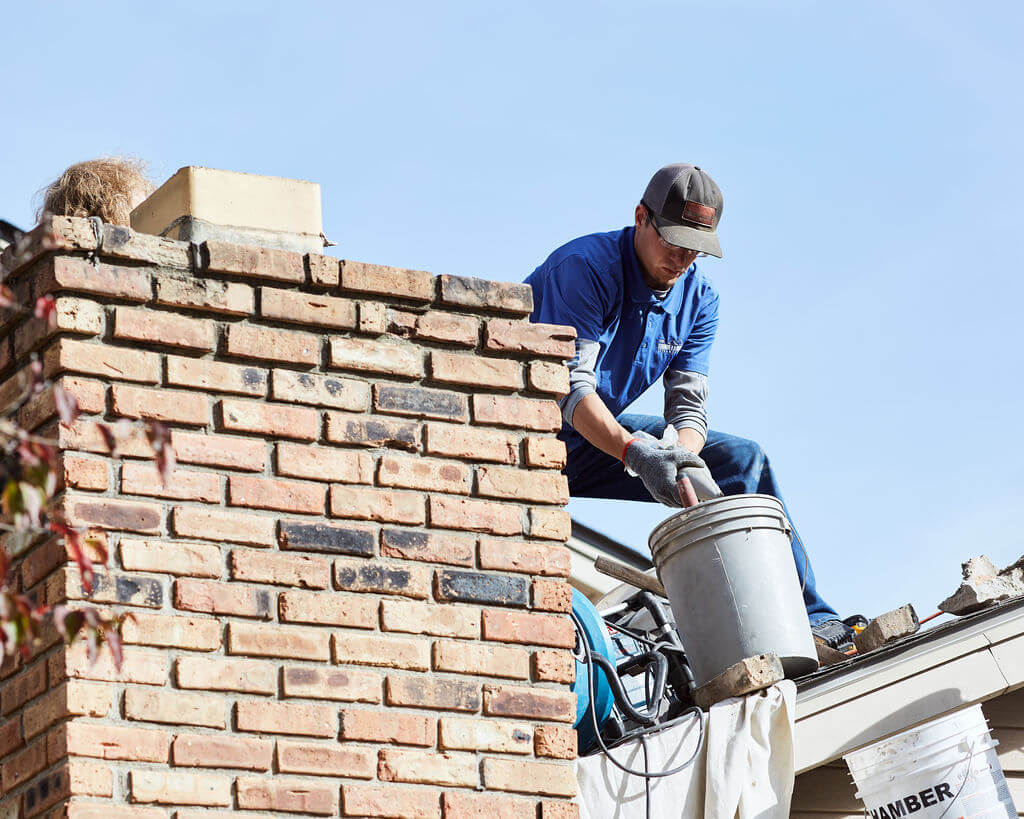
In essence, masons work with brick, stone, and concrete. They work with these materials for a wide array of structures, including chimneys, patios, retaining walls, and entire buildings. They are experts with the materials and processes of masonry and can assist with anything from masonry repair to design and construction.
The three masonry specialties are stone, brick, and concrete. Some masonry contractors specialize in one material, but most modern masons have the necessary expertise to work with all three.
What do Masons Do?
There is a wide variety of tasks that a professional mason will handle. They may work on aesthetic structures or weight-bearing ones. Commonly, their projects include chimneys, patios, walls, and siding.
What masons do for these structures depends on the condition of the masonry. One of the most common masonry repairs is fixing cracks. Cracks are not only unsightly, but they can allow water in and lead to further damage.
Masons may also repoint masonry, which involves replacing mortar. Cracked, crumbling mortar compromises the durability of the structure. Replacing it improves the stability and appearance of masonry.
Another common masonry repair is to rebuild the structure. When damage is bad enough, a simple repair cannot restore it. In these cases, the mason rebuilds some or all of the structure. Proper maintenance and timely repairs can prevent the need for a rebuild. However, in many older homes, this process is necessary.
Do I Need a Professional Mason?
Many homeowners wonder if they can handle masonry repair on their own. While it may be possible to perform some minor repairs, DIY masonry is generally a bad idea. Tutorials online may make repairs seem a lot more simple than they actually are.
Quality matters for masonry work, especially for weight-bearing structures. The truth is that attempting DIY repair puts your home at risk for further damage in the long run.
If you need masonry repairs or installation, then it’s best to consult a professional mason. Here are the top reasons to hire a masonry expert:
- Save time. Professional masons are experts in their field. Thus, they can perform the work more efficiently than an inexperienced person.
- Avoid costly mistakes. If you attempt your own repair and then realize it’s unsuccessful, you may still have to hire a mason, after you already wasted money and time on supplies. There’s also a chance you could cause even more damage.
- Access to supplies and equipment. Many people underestimate the tools and equipment used in masonry. If you try your own repair, you may have to spend a lot of money just to get the necessary supplies. When you hire a mason, they already have the tools they need to get the job done right.
- Beautiful results. Professional masonry repairs and installation enhance the appearance of your home. They leverage their experience to create beautiful end results!
How to Hire a Mason
Do you have chipped or crack brickwork? A chimney in disarray? If you have masonry throughout your home that needs work, then you need to hire a mason. Of course, you want to ensure you find a quality, trustworthy mason. Here are some helpful tips:
- Ask for written estimates from three or more masons. Price should not be the only factor, but you want to ensure that you are paying a fair amount.
- Look for experience. You need a mason with experience with structures like yours. Keep in mind, different masons may have different specialties. Make sure the specialties and experience align with what you need.
- Review feedback. Trustworthy masons can provide you with references from clients. They should also have a strong reputation online.
Professional Masonry Repair with the Brick + Ember Outfitters
For masonry repair, you can count on, look no further than the Brick + Ember Outfitters. Our experienced contractors have helped hundreds of homeowners with a wide variety of masonry needs. We provide personalized quotes for each and every project. To learn more about our masonry services and how we can help you, contact us today!
Gas Fireplace Service Indianapolis
Gas fireplace service Indianapolis. As the weather begins to transition from hot summer months to crisp fall and you spot the first leaves as they turn from green to red and gold, you’ll likely find yourself thinking ahead to winter preparedness.
Should you order a sun lamp for those cloudy Indianapolis winter days? Do you have a winter kit in case snow or stormy weather keeps you in place for a while? At home, you should be considering not just your weatherproofing, but also the care of your chimney and fireplace.
With the ease of access and fuel efficiency offered by gas fireplaces compared to their older wood-burning counterparts, it’s no surprise they outpace traditional fireplaces in terms of sales.
No fireplace comes without maintenance needs, though, and gas fireplaces have their own unique needs. With the investment of installing a gas fireplace in the first place, regular maintenance will protect your fireplace and ensure you can use it for years to come.
Why Does it Need Service?
Gas fireplaces burn cleaner than wood-burning fireplaces and do not cause smoke or the collection of ash in your chimney, but they still require check-ups at least annually to ensure all their elements are functional, undamaged, and ready for use. This is especially important leading into our fall and winter seasons, when chances are you’re likely to give your fireplace heavy use and transportation can be limited by weather.
Cleaning your fireplace without professional experience working with natural gas is a risk, which is why we recommend utilizing a qualified technician. Damaging a natural gas line would bring unnecessary risk to you and your household, and can even impact your wider community.
What Does Gas Fireplace Service Include?
Inspection
The technician will review the fireplace, chimney, and surrounding portions of the house to make sure they are installed securely and do not have visible signs of wear. If you have a venting gas fireplace, we will make sure any fumes are being redirected out of the home properly so you can rest assured while heating your living room or master bedroom on chilly fall and winter days. If there is any visible collection of condensation or water, this can indicate a leak in the chimney, in which case the source should be identified as quickly as possible and resolved to prevent damage to the home or further compromising of the fireplace system.
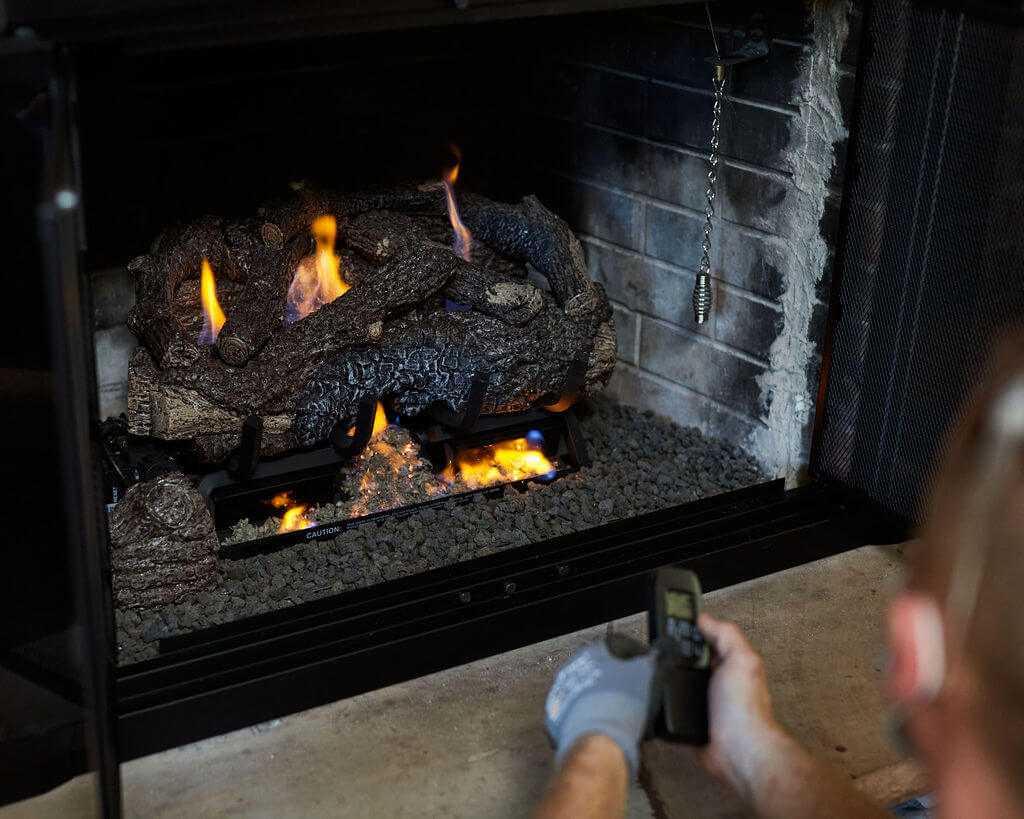
The ceramic logs in the fireplace and doors to the fireplace will also need to be checked for cracks or, in the case of the door’s unique sealing edges, leaks. If these are found, the logs can be replaced and the doors re-sealed or replaced if needed. After ensuring they are cool enough, we will take your ceramic logs outside to clean any soot from them to reduce the risk of buildup and make sure they look as charming as when they were first installed.
Test the Gas Line and Ignition
Your favorite quality of life elements of your gas fireplace--the easy ignition, simple control of the flow of gas and strength of fire, and discreet gas line--all need to be regularly reviewed for utmost safety and functionality. They will also clean in and around the decorative logs to ensure proper flow and management of the natural gas in your fireplace, and vacuum potential debris from the back and sides of the fireplace, including pet hair and dust. Regularly cleaning out debris is one way to ensure the only thing burning in your fireplace is smokeless natural gas.
Check Your CO2 Detectors
The CDC reports higher rates of unintentional carbon monoxide poisoning in the winter months than any other time of year, sometimes the result of poor maintenance of fireplaces and other heating elements. While regular maintenance will reduce this risk in your home, the technician will still check the efficacy of your carbon monoxide detectors, and you should always ensure these have batteries and are working properly.
If you have a ventless gas fireplace without a chimney, the fireplace vents into your home. The technician will still follow through with any applicable inspections listed above, and you should be extra careful to ensure your CO2 detectors are functioning properly. Some states even disallow you from placing ventless fireplaces in places where you sleep, however, Indiana has no restrictions for these and allows them anywhere in the state.
Brick + Ember Outfitters Indianapolis
Our chimney outfitting staff here at Brick + Ember Outfitters are all certified by the Chimney Safety Institute of America and are here to ensure the safety of your fireplace for you and your family. We cover conversion of wood-burning fireplaces, installation of gas fireplaces, and regular maintenance of either. We’ve been providing quality service for 10 years this year! Contact our Indianapolis office today to set up an appointment and prepare your house for the coming cozy months!
Are Chimney Leaks Common?
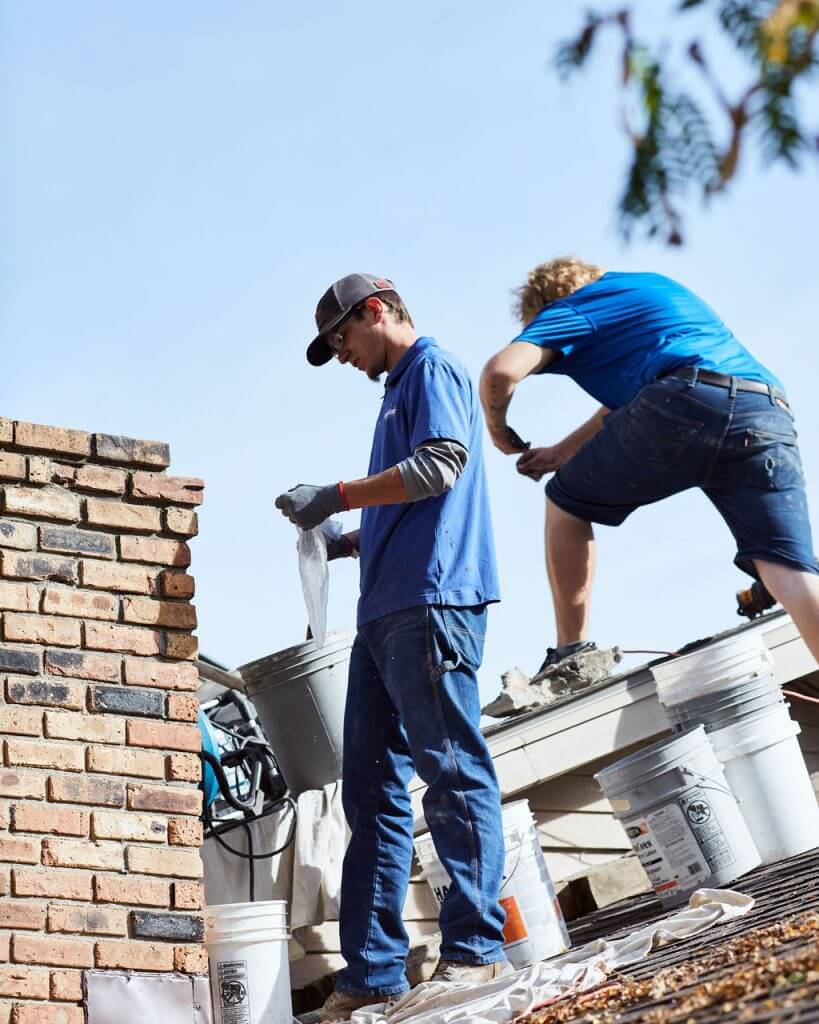
Are chimney leaks common? Having a crackling fire in your fireplace is a wonderful experience for the family in the cold of winter.
Of course, having a fireplace means maintaining it and the chimney that protects your home and family from exposure to smoke, and like any element of the house, chimneys sometimes cause issues.
One common concern with chimneys is the leaking of water into the home. We’ll explore why leaks happen, how you can notice the signs before there is advanced damage, and what we can do to help.
Chimney Leaks are a Common Problem
Regardless of whether you live in a particularly hot or cold climate, chimney leaks can and do impact many homeowners. Seasonal changes and large temperature fluctuations contribute to leaks. Thankfully, when caught early, chimney leaks are often easy to address. However, signs of a leak may be subtler than you expect, so getting a certified inspector to review your home is best.
Drywall and wood exposure to water damage are fairly limited early on in leaks. Still, any water damage to the home should be taken seriously and addressed as quickly as possible to avoid mold and structural damage. If mold develops within the walls and spreads to your ventilation system, it can be spread throughout the home and impact your family. Addressing it quickly when it occurs is important. Water damage to drywall will also impact the structural integrity of the drywall, putting it at risk for collapse or lack of ability to support objects.
Signs of a Chimney Leak
You might expect a leak in your chimney would result in water collecting in the fireplace, but this is not always the case, especially if the leak is caught early on. For example, in the rare instance mentioned above where condensation appears after a poor conversion of a wood-burning fireplace, the condensation would be noticed well before water collected at the bottom of the chimney. Instead, you should look and listen for other signs:
- Dripping within your chimney
- Moldy smells following precipitation like rain or snow
- Cracks in your masonry or the liner within your chimney
- Water damage in your drywall or the attic
- Rusting of metal elements of chimney or fireplace
Unfortunately, observing leaking from your chimney is difficult to do early on. By the time most people know they have a chimney leak, they see visible water or smell the odors of damaged drywall. This is why regular maintenance is helpful. Our experts who service many chimneys each year will be more familiar with what to look for.
Causes of a Chimney Leak
Climate
Consistent rain in more coastal, humid climates can work its way past the flashing that seals your chimney and eventually get into the attic and other portions of the home. Cooler climates experience both precipitation and cycles of freezing and thawing, which work away at your masonry and sealed portions of your chimney alike.
Damaged Components
The chimney crown and cap serve to keep precipitation, debris, birds, and other animals out of your chimney. It also protects your chimney from direct contact with water, which can damage the chimney’s external masonry and internal coating. Like any part of the home, these can become damaged by the elements and weathering and eventually crack or rust, leading to leaking into the chimney.
Faulty Installation
If you choose to convert your traditional wood-burning fireplace to a gas one, steps must be taken to ensure it is converted properly. For example, some wood-burning fireplaces are quite narrow and do not allow for modern round liners. In this case, a different type will need to be installed. In rare instances of poor conversion to gas fireplaces, condensation can form on the inside of the chimney rather than being introduced from outside.
Failed Lining
Your chimney very likely has a layer of the temperature-safe lining that runs from just above the firebox to the top of the chimney. This is common in any gas-fed chimney, and is expected to last a long time, but can still crack and fall into disrepair without adequate maintenance. If your lining cracks, it can introduce water beneath the lining and impact the masonry on the outside of the chimney as well.
Professional Chimney Repair from B+E
Annual reviews of your chimney can help diminish the risk of leaks by catching disrepair early and monitoring for common concerns of leaks. If you have an older chimney, you can request more frequent reviews to prolong the life of your historic piece. Our certified Brick + Ember Outfitters technicians can help you review your chimney for leaks, suggest solutions, and ensure your chimney is leak-free for future enjoyment. Contact us today to schedule an appointment.
The Inside Scoop on a Chimney Repair
The inside scoop on a chimney repair. Chimneys are not only an aesthetic feature that makes your home look its best. As complicated machines, taking care of your chimney is both important and challenging.
Unfortunately, many chimneys in the United States were not built to last. Many were built hastily by home construction companies trying to get work done as quickly as possible. In general, no chimney can last forever. This is why chimney repair is crucial.
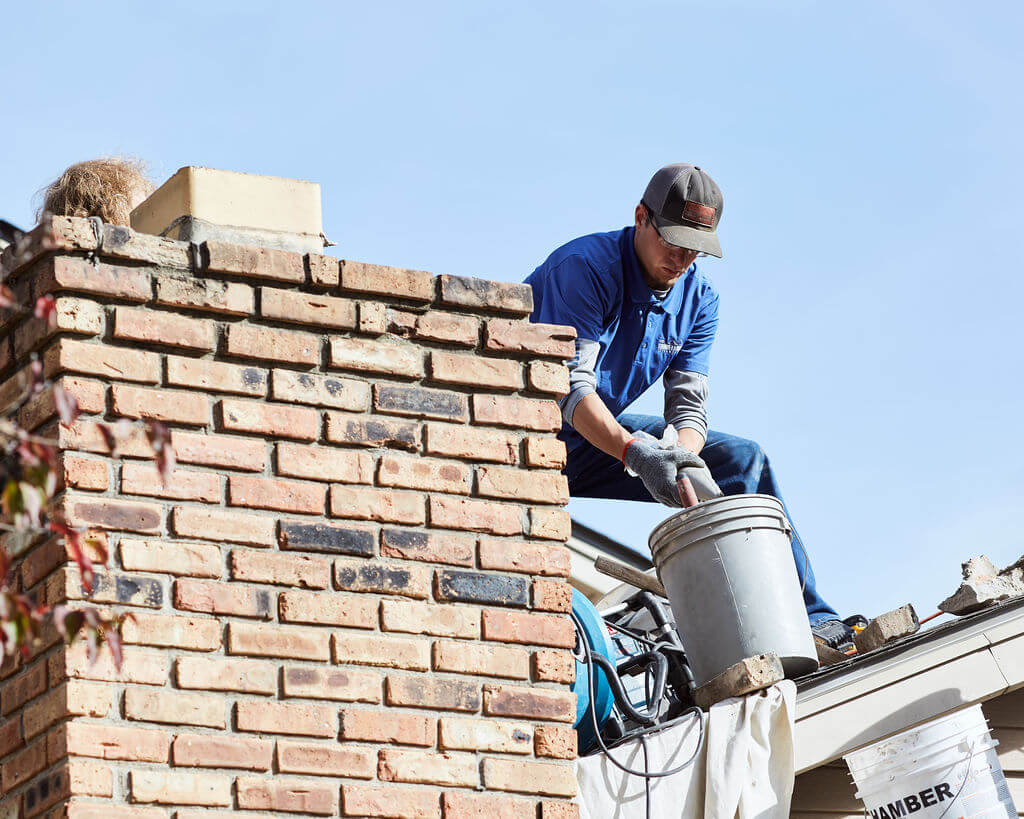
Because chimneys are complicated, chimney repair is best left to experts. For one, the risk of falling and personal injury should always be a deterrent. For another, some issues require skilled masonry and chimney repair expertise. If your chimney is showing warning signs, you should first look into getting an inspection and reaching out to a chimney repair company.
Here are the most common chimney issues, what problems they can create, and everything you need to know about chimney repair.
Most Common Chimney Issues
Poor Quality Brickwork
Brick masonry is a skill that dates back thousands of years. Even though it has been around for so long, there is still a chance that your chimney is not constructed with the best brickwork. If your chimney’s bricks are falling apart or crumbling, it may be too late to simply fix by yourself. Especially if there is damage below the roofline, it will probably be necessary to have your chimney repaired.
Other times, there may be minor damage to your bricks that can be easily remedied. If there are holes in your bricks or mortar, you may be able to repair it by yourself with a good power wash and new sealant.
Damaged Mortar
Over time, your mortar will probably be the first part of your chimney to degrade. Mortar is the material that binds the bricks in buildings and chimneys. If large cracks and chunks have formed in your mortar, it is likely time to repair your chimney.
Damaged mortar can lead to leaks and eventually cause your chimney to fall apart. Repairing cracked and crumbling mortar is easy if the damage is localized to one area. If it is a widespread issue, it will be more of a hassle. When repairing mortar, you must completely remove old mortar and apply a new layer based on the manufacturer’s instructions. Depending on the size and severity of the damage, you might want to hire a professional.
Leaks and Points of Entry
Nobody wants anything gaining access to their chimney flute. Whether it is water, snow, or live animals, chimneys are often prone to having holes and leaks. There can be several possible causes for water and animals to gain access to your chimney.
For leaks, the aforementioned brick and mortar problems can cause minor leaks. Other, more major leaks can be caused by an incorrectly sized crown. Your chimney’s crown is what keeps out the elements and animals.
Flashing Issues
Another possible reason water could be getting into your chimney is damage to or lack of flashing. Flashing is the material that connects your chimney at the base to your roof. When the flashing is damaged, your home will likely suffer water damage. This is one of the most complicated chimney issues to repair because it requires both roof and masonry work.
Cracked or Incorrect Size Crown
Crowns are special layers of mortar that seal the top of your chimney. They prevent water and animals from getting into your chimney by acting as a weather seal. If your crown is cracked or the incorrect size for your chimney, your chimney will not work properly over time. Problems with your chimney’s crown should be addressed promptly and correctly to prevent the possibility of damage in the future.
Brick + Ember Outfitters Can Make Your Chimney Repair Worry-Free
Is smoke getting into your home? Do you feel like there might be raccoons or birds rustling around in your chimney? Do you see warning signs of water damage? It may be time to have a chimney inspection for peace of mind.
Even though some of these common chimney defects can be replaced by the average person if done properly and carefully, there are plenty of reasons not to try a DIY chimney repair. Save yourself the risk of personal injury, improper technique, or the risk of future repair by hiring Brick + Ember Outfitters. Our chimney repair specialists are skilled and build high-quality chimneys that last. Contact us today for an inspection and let us handle the rest.
5 Ideas for Fireplace Decorations
5 ideas for fireplace decorations. Having a fireplace in your home adds a degree of comfort and class. Of course, it also raises new questions for you as a homeowner and keeper of your space: how do you decorate your fireplace?
Let’s get into some of your options for enhancing this beautiful element of your home!
Why Decorate the Fireplace?
Maybe you grew up visiting your grandmother’s house, where she always had decor artfully arranged around the fireplace to celebrate the most recent holiday or changing of the seasons. Or perhaps your father adorned the mantle with his favorite sports memorabilia depending on who he was pulling for that season.
Much like deciding on a new hairstyle or trying to change a habit, recognizing the kind of decorator you are and the amount of energy you want to put into your fireplace will help you in the long run.
You can always adjust these suggestions to your time and aesthetic constraints, and enjoy the process of trying new designs! After all, the way you decorate your home is a reflection of you.
Minimalism or Maximalism
One popular trend nowadays and a question to consider while planning is minimalism versus maximalism. Interior designers’ focus on minimalism has led to stark, sparsely decorated, function-based living and workspaces. Minimalism trends toward very controlled order even in decoration, with little decoration to be found.
Maximalism, on the other hand, is the celebration of orderly chaos. Walls and shelves are covered with curated objects and curiosities to explore. The fireplace you have in your home may lend itself to one style or another, so read on.
Working With Your Fireplace
If you’ve read our post on Trends for Fireplaces, you’ll know that there are many fireplace options for the home or business. This wonderful range of designs also means you have different shapes and layouts to work for decorating your hearth.
Keep the shape and length of your fireplace in mind when brainstorming. A fireplace with a classic heavy mantle will necessarily lend itself to more item-based designs than a frameless or peninsula fireplace with less available decorative space.
Remember, too, how you want to arrange the room. If you want to avoid directing all the attention to one point, you’ll likely want to move your television or other set pieces such as bookshelves, drink carts, or music stations to different areas of the room to delineate space.
This gives both you and your guests various regions to explore, keeping the room dynamic and refreshing. You can also use these stations as a way to inexpensively redecorate your room by exploring new ways to arrange the furniture and how this changes your experience of the space.
Decoration Ideas
Art and Photographs
Framed art or photographs are a classic decoration for mantles. Photographs of varying sizes can also serve to frame and highlight your more modern, embedded fireplaces. These also give you something to look at when spending time before the fire.
Natural Items
Make decorating the fireplace more of an adventure with a trip to collect beautiful stones, evergreen fronds, shells, and more. Twisting driftwood can be a beautiful conversation piece beside your vertical fireplace once it has been cleaned. Evergreen fronds can even add some natural scent to the room before they dry. Be sure to keep plant matter secure and safely distant from the fire itself.
Heirlooms
It’s hard to imagine a better way to honor your family than by centering heirlooms in the living room to reflect on and display to others. Keeping heirlooms on the hearth, perhaps beside or below family photographs, is a way to state that family is central to your life and close to your heart.
You can also use this opportunity to tell stories and ask about your guests’ family history to bring you closer together.
Seasonal Decorations and Holiday Cards
Fireplace decorations don’t have to be exclusive to stockings in wintertime. Whether you put out colorful decorative pumpkins and squash in the Fall or decorative jars of sand and proudly displayed baseballs and mitts in the Summer, seasonal decorations let visitors know you’re connected to the seasons and take time to refresh your home.
You can also decorate with holiday cards, whether these be Christmas cards, back-to-school well-wishes, or birthday congratulations. Cards remind you that you’re connected with friends and family you might not be able to visit each year, and can bring an internal warmth while the fire warms you up.
Collectibles
You can also use your fireplace to house curiosities to spark conversation and showcase your interests. If you’re a big collector of models or antiques, the fireplace can be bookended with some of your favorite items to illuminate with a soft glow.
Fireplace Services You Can Trust
Before you can get into the fun of fireplace decorations, you need to make sure your fireplace is in great condition. The Brick + Ember Outfitters are here to help with all of your fireplace needs, including fireplace design, installation, repair, and more. Learn more about how we can help you take care of your fireplace by contacting us today.