What is the Hearth of a Home?
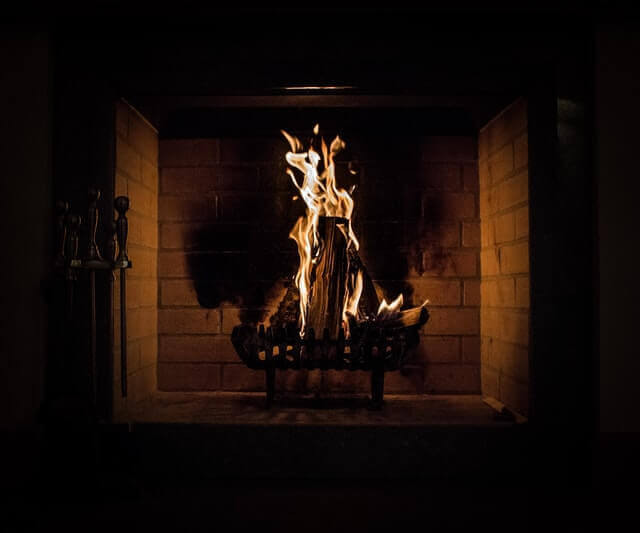
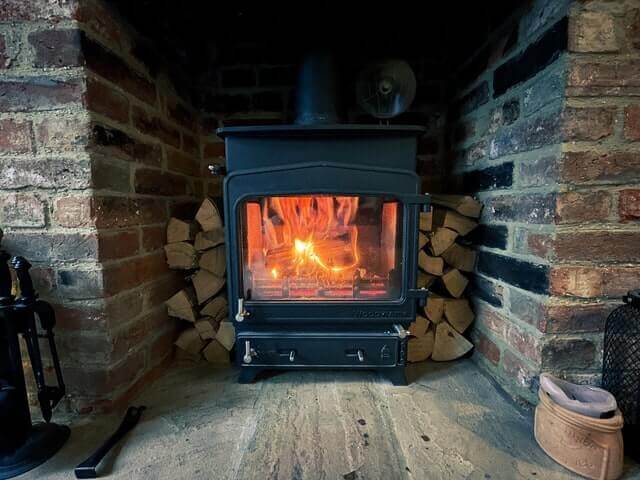
What is the hearth of a home? “Hearth” is a common term you may hear about fireplaces, but what exactly is the hearth?
The truth is that most modern Indianapolis homes do not have a traditional hearth, although some older homes may. Additionally, many homeowners are looking for ways to add a fireplace and hearth.
Why has the hearth gone away and what is it?
Today, we’ll dive into everything you need to know about the hearth and how it’s evolved.
The Hearth
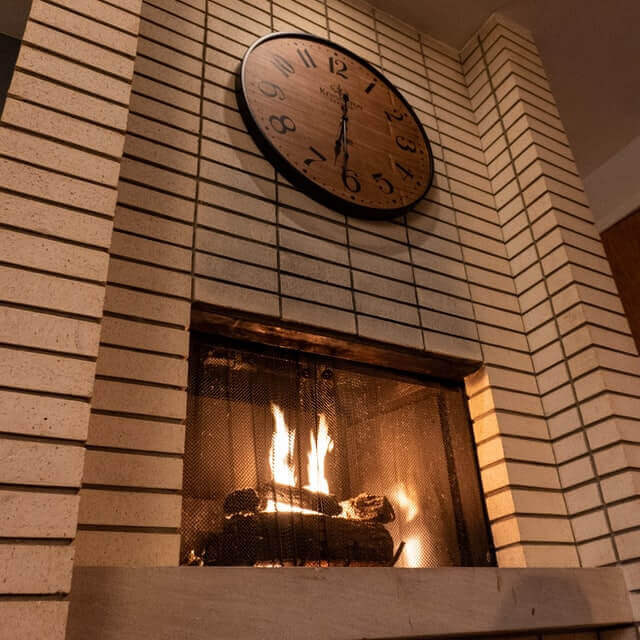
The floor of a fireplace is the “hearth.” Typically, the hearth is made from brick or stone, and it extends into the room. In the past, the hearth was the main source of heat for the home, and it was where the majority of cooking happened.
The modern fireplace evolved from the hearth. In most Indianapolis homes, the fireplace is the new gathering area for family gatherings. During the cold winters, the hearth has become the heart of the home.
What Happened to Hearths?
Over time, the hearth has become less important and less used. The invention of the modern kitchen and new heating technologies took over the main purpose of the hearth. In light of gas and electric appliances, there was not a need to use a fire to cook. With central heating, you can heat the entire home efficiently, rather than relying on the hearth for warmth. As technology developed, the hearth became less essential, and fireplaces were no longer essential.
The Resurgence of the Centralized Fireplace
Fireplaces are once again a popular desire in modern homes. If the fireplace is no longer essential, how did it make a return?
In the 1970s, a grand centralized fireplace made a resurgence. Those who build their own homes wanted to share ideals of family and connectivity in their home designs. To do this, people opened up the kitchen to the dining area. They created great rooms that combined living rooms and family rooms. Instead of sticking a fireplace against the wall, some moved it to the center of the room, as the centerpiece of convergence. Sprawling hearths are now a landmark of design from the 70s and 80s.
The Modern Fireplace
While the open-hearth masonry fireplace is nostalgic and beautiful, it is not always the most efficient choice. Fireplaces with sprawling hearths draw air from inside your home, which causes you to lose heat up the chimney.
Here are some things to consider if you are interested in adding or remodeling a fireplace:
Gas vs Wood
Masonry and prefabricated fireplaces can be wood or gas. There are pros and cons to each. Wood produces more heat, but gas fireplaces offer a convenient on and off switch. With a gas fireplace, you do not need to chop wood and maintenance is minimal. However, wood fireplaces tend to give off a cozy, traditional fireplace feel.
Location
Where is the room’s focal point? This will play a key role in determining the fireplace’s positioning. If you have a scenic view from a large window, then the fireplace should go on a side wall so it does not detract. However, if there is no scenic imagery, then use the fireplace to create a focal point for the furniture and TV.
Size
You want a fireplace that suits the size of the room. A large room with high vaulted ceilings commands a prominent fireplace, but a small fireplace is ideal for a cozy den. The size of the fireplace does not necessarily correlate to the heat generated, so make sure you find an efficient fireplace as well.
Facing
Brick, tile, or stone are all options for facing. Modern fireplaces are often faced with stone. There are many different types of facing to choose from, so it’s easy to find the best one for your room, style, and fireplace.
Mantel
The mantel is another important part of your fireplace design. Mantels can be made from wood, stone, or other materials. Sleek, modern fireplaces may not have a mantel. If you plan to hang the TV above the fireplace, it may make sense not to have a mantel.
Fireplace Design, Installation, and Repair Indianapolis, IN
Whether you’re looking to add a fireplace to your home or upgrade the one you have, the Brick + Ember Outfitters of Indianapolis is here to help. We provide exceptional fireplace design, installation, and repair services to meet all of your fireplace needs. With years of experience in the Indianapolis area, you can trust us for every fireplace job, no matter how big or small.
Our dedicated team is here to help you with your fireplace today. To learn more about our fireplace services or to schedule your appointment, contact Brick + Ember Outfitters today at 317-500-1250 or OFFICE@BRICKANDEMBER.COM.


Do You Need Gas Fireplace Repair For A Chimney?
Do you need gas fireplace repair for a chimney? Traditional wood fireplaces are common in many older Indianapolis homes, but gas fireplaces are becoming more and more common. Homeowners around the Indianapolis area are adding or renovating fireplaces and considering gas options.
Gas fireplaces are quick and easy to operate, do not require the hassle of firewood, and have minimal maintenance.
But there is still one big question many people have about gas fireplaces.
Do you need a chimney for a gas fireplace?
Depending on the type of gas fireplace you have, you may still need a chimney.
Today we’ll explain everything you need to know about gas fireplaces and chimneys.
Gas vs Wood Fireplace
First, it’s important to understand the difference between a gas and a wood fireplace. When it comes to factory-made units, gas and wood fireplaces come in at similar prices. Installation for pre-made units is also pretty similar as well. The difference between gas and wood fireplaces lies in the long-term performance and venting options.
Gas fireplaces provide immediate ignition and control over the heat output. You can quickly and easily light a gas fireplace, and turn the heat up or down. On the other hand, a wood fireplace requires time to light the wood and it takes a while to get heat from the wood combustion.
Some modern gas fireplaces even include comfort control systems that monitor the temperature of the room and adjust the burner up or down to get the room to the desired temperature.
Environmentally, gas appliances produce very few by-products when compared to wood. So given that, do they need a chimney?
Types of Gas Fireplaces
A “gas fireplace” can mean a few different things. For example, you could have a gas log set installed into a fireplace. Here are the options for gas fireplaces:
- Log sets approved for masonry fireplaces
- Log sets installed in an approved existing factory-built wood-burning fireplace
- As inserts lined through a factory-built or approved masonry system
- Ventless gas fireplace cabinets or gas stove
- Vented gas fireplaces or stoves
Ventilation Options for Gas Fireplaces
Gas fireplaces actually include several different venting options. The three venting options for gas fireplaces are:
- Natural Vent (B Vent): This type of ventilation uses an existing masonry chimney or factory-built metal chimney. The chimney exhausts the by-products outside via a single pipe or flexible liner within the chimney.
- Direct-Vent: Direct-Vent fireplaces draw outdoor air for combustion, and then exhaust the spent air outside via a co-linear venting system. This process prevents the heat loss that conventional chimneys have. Direct vents can be vented through the roof or out the side/back of a house, but they must have a sealed glass door within the unit.
- Vent-Free. Vent-free gas fireplaces are becoming more common. These fireplaces use catalytic converter technology, which does not require a chimney or venting. This option is growing in popularity, but it is not allowed in all communities.
The venting process for your gas fireplace depends on the type of fireplace you get. While options without a chimney are becoming more popular, many gas fireplaces still have chimneys. This is especially true if you are converting an existing wood-burning fireplace to a gas fireplace. In many cases, gas fireplaces will still need a chimney.
Gas Fireplace Maintenance
Before getting a gas fireplace, it’s important to understand your options and the maintenance each requires. The best way to determine which gas fireplace is right for you is to consult a fireplace professional.
One common misconception about gas fireplaces, even ones with chimneys, is that they do not need maintenance. While you won’t have to deal with ashes and wood, gas fireplaces are not maintenance-free! You still need an annual chimney sweep and inspection to ensure that your fireplace is in good working condition.
The team at your local Brick + Ember Outfitters is here to help with all of your fireplace needs. Our experienced team provides quality chimney sweep and inspection services to fully clean your appliance. We’ll be able to catch any potential issues before they become big expensive problems. We are also happy to help you find the best gas fireplace option for you.
Our knowledgeable team is here to answer any questions you may have and will help you get the fireplace of your dreams. No matter what your fireplace needs are, we can help! Whether you need fireplace design, installation, repair, or replacement, you can trust our experts to help. To learn more about gas fireplaces or request fireplace services, contact Brick + Ember Outfitters today at 1-317-500-1250 or OFFICE@BRICKANDEMBER.COM.
Why Is It Called Tuckpointing?
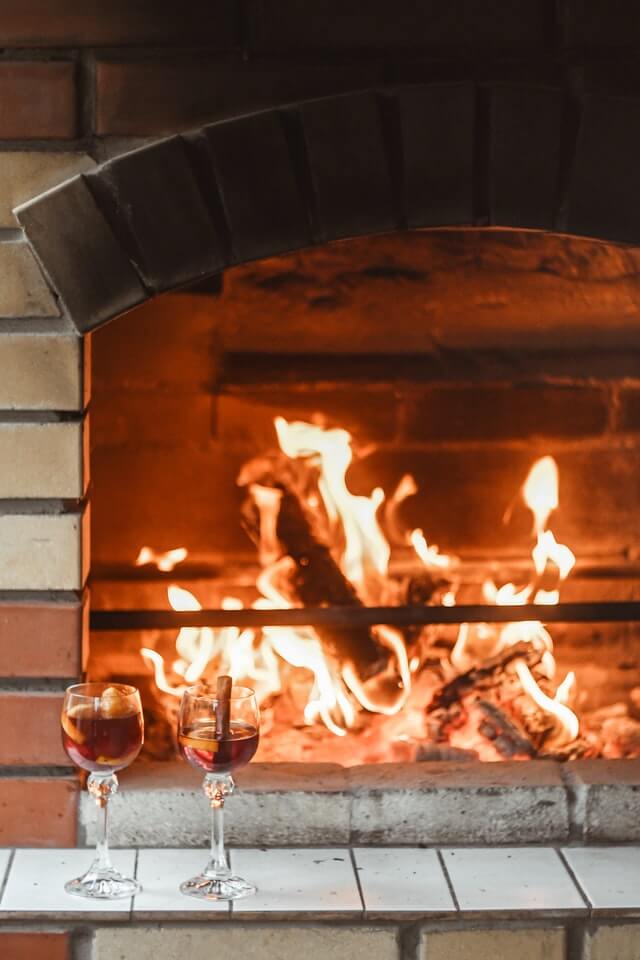
Why is it called tuckpointing? Many stunning Indianapolis homes include masonry fireplaces and chimneys. Fireplaces are highly desired features that simply elevate a home. The design itself increases the appeal of your home.
However, masonry chimneys cannot last forever. Over time, harsh Indianapolis weather conditions and moisture can damage masonry. Once water gets into mortar joints, it weakens them and must be addressed.
Tuckpointing is a mortar repair process used to stop the damage and restore your chimney.
Here’s what you need to know about tuckpointing.
What is Tuckpointing?
It is a strategy used to renew mortar joints. This method used two different mortar colors. The first color is meant to match the bricks, while the second is for the aesthetic of mortar joints. Tuckpointing sandwiches the colors to create fine mortar joints.
This method has been around since the 18th century! Originally, it was used to achieve a similar look as fine red bricks cut by hand and laid with white mortar. Tuckpointing is a far less expensive way to achieve the same effect.
Where did the term “Tuckpointing” come from?
Before tuckpointing, there was a technique that was used to deal with uneven bricks. A “tuck”, or think, the line was drawn in the mortar and left unfilled to make the brickwork appear excellent.
When is tuckpointing used?
Brickwork is known for being long-lasting, but it still requires upkeep. While the bricks can last up to 100 years, the mortar will not last nearly as long. When masonry is exposed to harsh weather, it can last up to 25 years. The more water the mortar is exposed to, the faster it will erode.
If mortar joints sustain damage, they must be addressed quickly to prevent structural issues. Tuckpointing is a cost-effective way to repair mortar joints. If not repaired, the mortar joints will deteriorate to the point where the chimney collapses and requires a rebuild. Tuckpointing repair is far less expensive than a total rebuild.
Tuckpointing vs Repointing
Tuckpointing and repointing are related, but they are not the same process. Tuckpointing is the layering of mortar colors used to achieve an aesthetic rubbed brick look. Repointing is repairing the damaged masonry. During repointing, the cracked mortar is removed and then replaced with a new mortar.
Essentially tuckpointing is part of repointing. You do not have to tuckpoint (sandwich the mortar colors) to repair mortar joints, but experienced masons use tuckpointing as part of repointing to achieve the best look possible.
Benefits
The best masons use tuckpointing when repointing your masonry. The top benefits of tuckpointing include:
- Stop mortar joint corrosion.
- Stabilize the chimney structure. Damaged mortar joints weaken the chimney integrity, eventually leading to collapse.
- Prevent water from entering the chimney. Water can seep into damaged mortar joints and get between the chimney and flue lining, causing serious damage.
- Cost-effective solution compared to a rebuild.
- Restore your chimney masonry to its original condition.
- Improve the value of your home.
Signs Your Mortar Needs Repair
Mortar can show signs of damage as early as 20 years. Keep a close eye on your mortar to ensure you address any damage quickly. Signs of mortar joint damage include:
- Crumbling mortar.
- Hairline cracks present in the mortar.
- Gaps or cracks between bricks and mortar.
- 6mm or more of mortar erosion.
If you notice any of the signs above, your mortar may require repair. The earlier you can address the mortar damage, the better. Early intervention is key for keeping your chimney in the best shape possible for as long as possible.
Do you need tuckpointing?
Is it right for you?
The only way to know for sure is to consult a professional. The knowledgeable team here at the Brick + Ember Outfitters of Indianapolis will examine your chimney and determine if tuckpointing is a good fit for you.
We have years of experience helping Indianapolis homeowners with all of their chimney, masonry, and fireplace needs, including tuckpointing. You can always count on our team for a job well done and the best customer care in the area. Our team is CSIA-certified and more than willing to discuss our previous work. We will answer all your questions and provide you with a personalized quote based on your unique needs.
For the best tuckpointing in Indianapolis, look no further than B+E. Learn more about our tuckpointing services or schedule an appointment today by contacting us at 317-500-1250 or OFFICE@BRICKANDEMBER.COM.
Can You Put a Fireplace in a House that Doesn't Have One?
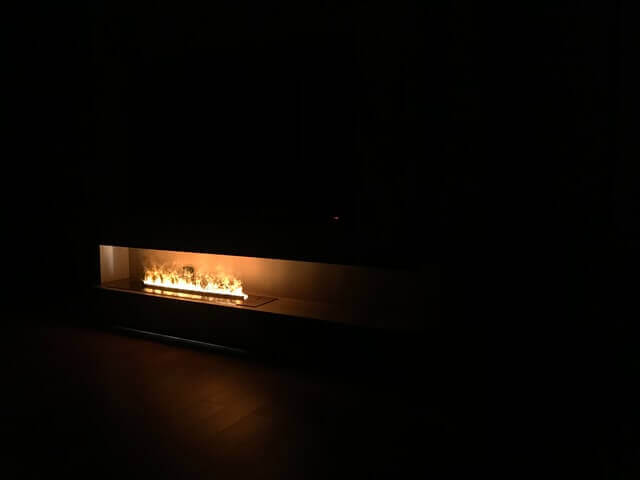
Can you put a fireplace in a house that doesn't have one? Fireplaces are a huge priority for many homebuyers in the greater Indianapolis area. So what happens when you find your dream home, but it doesn’t have a fireplace?
There are many key reasons why having a fireplace is incredible, but what can you do if you find an amazing house that’s just missing the fireplace?
Don’t pass up a great house just because it doesn’t have a fireplace!
While many Indianapolis homes have fireplaces, some still don’t, but that doesn’t have to be a deal-breaker.
You can add a fireplace in a house that doesn’t have one!
Read on to find out more.
The Benefits of Adding a Fireplace to a Home
Fortunately, you can add a fireplace to a home without one. Still, you may wonder if it’s a project that you should take on. Here are the top reasons to add a fireplace to a home:
Design
There’s no denying the WOW factor that a fireplace adds to your home. Adding a fireplace is a dramatic way to transform a room. Whether your style is traditional, modern, or somewhere in between, a fireplace can make a huge visual difference in your home.
Warmth
Indianapolis winters can be very cold. While a fireplace won’t heat your entire house, it can add significant warmth to the room it’s in. By adding a fireplace to a commonly used room, you can help that room stay warmer all winter and save a bit on heating.
Coziness
There’s just something so cozy and comfortable about snuggling up in front of the fireplace. It will make the space feel more cozy and homey.
Home Value
Adding a fireplace to your home will increase its resale value. Many homebuyers are in search of properties with fireplaces. While you shouldn’t add a fireplace just to increase the value, doing so will make your home more appealing to potential buyers down the road. In the meantime, you and your family will have the fireplace you’ve always wanted!
New Fireplace Designs and Styles
There are many different options for adding a new fireplace to your home. The type of fireplace you add will impact the complexity of the job as well as the cost. A traditional masonry fireplace with a stone or brick facade offers a traditional look, but it will certainly be the most challenging and expensive project.
However, you can also choose a more modern fireplace design. Both wood-burning and gas fireplaces with a modern design are faster and easier to install. Fireplace inserts pre-built from the factory only need an opening in the wall.
Since there are so many sizes, styles, and options for new fireplaces, there’s a good chance you can find one that fits your needs, style, and budget.
Wood or Gas Fireplace?
When adding a new fireplace, one of the biggest considerations is a gas vs wood fireplace. Wood fireplaces require a chimney, which may be regulated in your community. On the other hand, gas fireplaces are extremely convenient and easier to install due to venting requirements. Gas chimneys can be vented with a small pipe rather than a complete masonry chimney, and some may not require venting.
When deciding between the two options, you must consider the cost and extent of the installation. However, many homeowners still opt for a wood fireplace because of the traditional fireplace feel it provides with crackling logs.
The Cost of Adding a Fireplace
Undoubtedly, adding a new fireplace is an investment. For many homeowners, it’s an investment that’s well worth it. Many homeowners add fireplaces to their homes for between $5,000 and $8,000, depending on their location, fireplace model, materials, etc. While every fireplace design and installation is unique, it is an affordable way to massively upgrade your home.
Fireplace Design and Installation Indianapolis
As you can see, it’s entirely possible to put a fireplace into a home that doesn’t yet have one. Keep this in mind as you shop for a home or look for ways to improve your current home. By adding a new fireplace, you can get the best fireplace for your home for a fair price.
If you’re considering adding a fireplace to your home, you need a professional you can trust. For the best fireplace design and installation in Indianapolis, look no further than the Brick + Ember Outfitters. We will help transform your dream fireplace into a reality! Our knowledgeable team can help with every stage of adding a fireplace, making the process fast and easy. For fireplace installation you can count on, Brick + Ember Outfitters is here to help.
How Does A Flue On A Fireplace Work
How does a flue on a fireplace work? Your chimney is one of the most critical components of a Indianapolis home with a fireplace. While it’s not the most glamorous element of your home, it’s important to keep it in excellent condition. To be able to safely enjoy your fireplace, you must understand how your chimney works and how to best care for it.
Today, we’ll review the most important parts of the chimney, including the flue. Read on to find out how a fireplace flue works.
Chimney Types
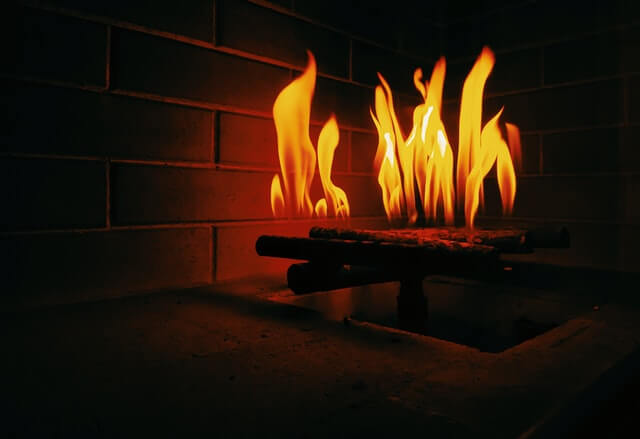
There are two main types of chimneys, a traditional masonry chimney, and a prefabricated chimney. The traditional chimney includes the firebox and flue. The firebox is where the wood burns and the flue is the air shaft that runs all the way through the roof. On the top of the chimney is a crown that keeps water and critters out of the chimney.
The prefabricated chimney will also have a firebox and a cap, but it will have a simple pipe instead of a flue. These chimneys are less expensive, but also less durable than a traditional chimney. They can also be tough to compare as it’s hard to find the component parts.
The Chimney Damper
Both kinds of chimneys have a damper. The damper is a moveable metal plate that controls the airflow. The damper must be opened to allow the smoke from the firebox to exit through the chimney. When you are not using the fireplace, the damper should be cold to prevent outdoor air from entering your home.
The standard throat damper is installed above the firebox, and controlled by a handle. A top-sealing damper is mounted at the top of the flue and is controlled with a stainless steel chain. The top-sealing damper keeps out animals, debris, precipitation, and outdoor air while keeping the heat inside your home.
Drafting
Drafting is essential for an effective chimney. It’s based on the principle that rising heat creates an air current with an upward trajectory. This principle of convection brings smoke and exhaust out of your home via the chimney. A larger chimney flue can create a stronger draft, but it’s also important to keep the chimney clear of creosote deposits and soot buildup to ensure proper drafting.
Flue Liners
Chimney flue liners are mandatory in some states, but they are critical for your chimney. Flue liners protect your flue, which increases the performance and safety of your chimney. They can protect the combustibles in your chimney, preventing overheating. They also provide a layer of protection against corrosive by-products.
The three types of flue liners available are clay tiles, stainless steel/aluminum, and cast-in-place liners. Clay tiles are often used with masonry chimneys. They are affordable but can crack under intense heat. To remain effective, the clay liner needs to be repaired.
Stainless steel and aluminum liners are commonly used in modern homes. They are easy to install in existing chimneys.
Cast-in-place liners are more expensive because they require extensive labor, but they are formed with heat-resistant concrete. They can be installed on existing chimneys.
Preventing Chimney Fires
The chimney flue must be regularly cleaned and inspected. Creosote, a highly flammable substance, can build up on the flue. Creosote may catch fire and cause a very serious chimney fire that could damage your home and threaten your safety. By simply keeping the chimney flue clean and free from buildup, you can greatly reduce the risk of a chimney fire. Getting your annual chimney sweep and inspection is the easiest way to keep your flue creosote-free and to prevent chimney fires.
A damaged flue is also a hazard for chimney fires. If your flue shows any signs of damage, a professional must repair it. Your yearly chimney sweep and inspection can identify any issues before they become big, expensive problems.
Chimney Repair in Indianapolis
Keep your chimney flue clean and efficient with a chimney sweep and inspection from a professional. For the best chimney services, look no further than your Brick + Ember Outfitters of Indianapolis. We offer affordable, quality chimney cleanings to help you keep your chimney in tip-top shape. Our knowledgeable CSIA-certified chimney technicians will carefully examine your chimney for any signs of damage so we can help you address them fast.
Brick + Ember Outfitters will help you keep your chimney in its prime condition for as long as possible. Whether you need a chimney sweep, repair, or replacement, our team of experts can help. To learn more about our chimney services or to schedule your appointment, contact Brick + Ember Outfitters Indianapolis today at 317-500-1250 or OFFICE@BRICKANDEMBER.COM.
How Do You Stabilize Crumbling Bricks
How Do You Stabilize Crumbling Bricks?
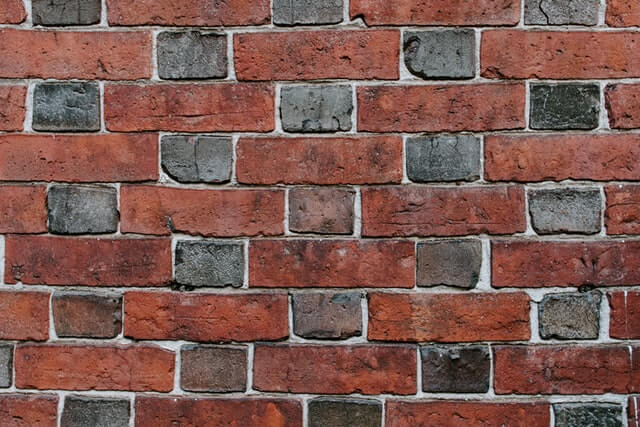
If you’ve noticed the face of your brickwork flaking, popping off or disintegrating, you are dealing with a common issue known as spalling. Spalling is a sign that your brick and mortar are failing, leaving your home vulnerable to water intrusion and structural damage. While there are temporary fixes, it is best to understand how to stabilize crumbling bricks for lasting results after brick deterioration repair.
What Causes Crumbling Bricks?
The primary cause of crumbling bricks, or spalling, is the repeated freezing and thawing of water trapped within the masonry. Bricks are porous, and they naturally absorb moisture. When the temperature drops below freezing, this water expands, exerting immense pressure just beneath the brick’s surface. Over time, this stress causes the outer layer of the brick to crumble away.
Several factors that exacerbate this problem include:
- Excess moisture: Poor drainage, leaking gutters or improper landscaping can direct excessive water toward the brick walls.
- Failed mortar joints: Cracks in the mortar allow more water to penetrate deeply into the brickwork.
- Low-quality bricks: Using hard, modern mortar on older, softer bricks prevents the mortar from absorbing and releasing moisture, forcing the brick to bear the brunt of the freeze-thaw cycle.
- Non-breathable sealants: Applying non-breathable coatings traps moisture inside the masonry, exacerbating spalling.
Spalling, if left unchecked, can lead to air quality issues and structural risks for a property. It’s important to stabilize crumbling bricks to prevent future health and safety hazards.
How to Fix Crumbling Bricks
Addressing crumbling bricks permanently involves a few critical, professional solutions. The first step is to eliminate the source of excess moisture, which may require gutter repair, improved drainage or fixing a plumbing leak. For the masonry itself, the two primary solutions are brick repair and tuckpointing. Tuckpointing involves carefully removing and replacing the deteriorated mortar joints with mortar that is compatible with the existing bricks.
For bricks that are extensively damaged or fully spalled, individual brick units must be cut out and replaced with a matching type and strength of brick. In some cases, a professional application of a breathable masonry sealer can offer preventive protection against future water saturation, but this must only be done after all necessary repairs are complete.
While applying a breathable sealing agent can offer a level of protection, a professional assessment is the best way to safeguard your home and repair crumbling bricks. At Brick + Ember Outfitters, we are the local Indianapolis experts dedicated to helping you identify the true root cause of your masonry deterioration and fix spalling brick.
Your Indianapolis Brick Repair Professionals
We provide comprehensive masonry repair services, including expert tuckpointing and brick repair, to ensure the problem is solved correctly the first time. Call us today at 317-500-1250 for more information about our brick spalling repair services.

The Cause Of A Chimney Leaking Water
The cause of a chimney leaking water. While Indianapolis isn’t known for intense rainfall, some seasons present more moisture than others. When it does rain, it’s important to evaluate how your house responds.
Do you notice any raindrops hitting the bottom of your fireplace?
This may seem normal, as your fireplace extends out of the roof of your roof, but any moisture getting into your home from your chimney is a sign of a problem.
Over time, water can cause even more damage if left untreated. Don’t wait until the problem gets bigger, find out why water is entering your chimney as soon as you notice it.
Reasons for Leaky Chimneys
If you’re wondering “is it normal for water to come down the chimney?” the answer is a resounding NO!
Water should not enter your chimney. If you notice water in your fireplace this suggests there may be an issue with your chimney. Some of the most common reasons for leaking chimneys are:
Structural Damage
Your chimney is exposed to the elements all year long. In Indianapolis, that means your chimney faces rain, harsh winter weather, hot summer days, wind, and more. Eventually, the wear and tear of elements (or any natural disasters) can damage the chimney. One common form of damage is cracks or chips between the chimney bricks. While the cracks may not seem like a huge deal, cracks in the chimney’s structure can allow water in. Additionally, the winter freeze-thaw cycle can only make the cracks worse. When water gets in and freezes, it expands the crack, which makes it larger.
Damage to the Chimney Crown
Another common reason for chimney leaks is damage to the chimney crown. The crown sits on top of your chimney and works as a hat to keep rain from entering through the hole at the top of your chimney. The crown has a sloped surface to help rain runoff and away from the chimney.
Cracked, corrosion, or chips in the chimney crown can be a problem for water flow. A damaged chimney crown may allow water into your chimney flue. You’ll most likely notice an issue with the chimney crown during heavy rainfall.
Chimney Lining Issues
Your chimney lining is inside the flue. It helps protect your chimney flue from the extreme heat of fires, as well as corrosive creosote and soot. The chimney lining should also keep water out of the chimney.
Clay liners were popularly used in older Indianapolis homes. However, clay liners are prone to cracking and chipping. If your clay liner is damaged, it will need to be replaced to protect your flue.
If you deal with dripping water during rainfall, replacing your chimney liner can help resolve the issue. During the chimney lining replacement, the professionals can also resolve any other small signs of damage they may notice in your chimney.
Leaking Roof
A leaky roof can also cause water to enter your chimney. If the roof is damaged near the chimney, it will allow water in. roof flashings are meant to keep rainfall out, but over time they may sustain damage. If the flashings around your chimney show any signs of damage, they may be letting water into your fireplace, but it’s also likely that water could be getting into the roof bed or attic as well.
How to Fix a Leaky Chimney
Water entering your home is not normal, even if it’s coming from your chimney. A structurally sound chimney will be able to keep rainfall and elements out of your home. If you notice any water entering through your chimney, address it as soon as possible to prevent more serious damage to your home.
First and foremost, you must figure out how the water is getting in. For an untrained eye, it will be very hard to inspect the roof or chimney accurately. Instead, consult your local experts, the Brick + Ember Outfitters of Indianapolis. We will inspect your chimney carefully to determine the cause of the leak.
After we’ve found the source of the leak, our knowledgeable team can correct it. We will do everything we can to preserve as much of your chimney as possible, opting for repairs over replacement when possible. We’ll explain how the repair will help. The sooner you address a leaking chimney, the quicker we can repair it. Fast action is the key to preventing more extensive problems down the road.
If water is coming down your chimney, now is the time to find out why and get it fixed. Our team of CSIA certified chimney specialists will analyze and address your chimney problems quickly and efficiently. To learn more about our chimney services or to schedule your appointment today, contact Brick + Ember Outfitters at 317.500.1250 or office@brickandember.com.
Can Cracked Bricks be Repaired? The Elements of Masonry Repair.
Can cracked bricks be repaired? The elements of masonry repair. Brick adds a charming element to any Indianapolis home. In older homes, it was used for external walls, but even newer Indianapolis homes may include brick chimneys or other features. There’s no doubt about the beauty of brick, but like any material, it faces wear over time.
Extreme weather, stress on the wall, and other factors can lead to cracked bricks. Cracked bricks are unsightly, and can lead to further deterioration of your masonry structure. It’s important to address cracked bricks as soon as possible, but the good news is that most can be repaired.
Repairing Cracked Bricks
Most cracked bricks can be repaired. By patching cracked bricks with new mortar, you can restore the look of your masonry structure. However, you’ll want to use a mortar that matches the color of your bricks so that it’s not noticeable. Repairing cracked bricks is often doable, it just takes some time and planning.
Steps to Repairing Cracked Bricks
Here’s the basic process for repairing your cracked bricks:
- Gather safety supplies. You’ll need safety goggles, work gloves, and a dust mask.
- Remove any loose brick pieces. It may be possible to glue on larger pieces, so save them.
- Use a chisel and hammer to remove any cracked mortar. Place the chisel end near the center of the damaged mortar, and then tap the other end with the hammer to loosen it. You must remove the old mortar for the new mortar to stick.
- Clear our dirt and dust from the cracks using a stiff-bristle brush.
- Mix your new mortar. Combine 3 parts of sand with 1 part of mortar.
- Combine the sand and water until it’s a runny paste consistency. If the mortar is too thick, slowly add small amounts of water and mix until it reaches that consistency.
- Add mortar dye to create a color that is slightly darker than your bricks. If you are also repairing your mortar joints, create a separate mix without dye.
- Apply the mortar to the brick cracks using a trowel. Put uncolored mortar into the joints if you have to also repoint some joints. Pack the mortar in tightly and then feather it out to be level with the brick faces. In some cases, you may need a tool to shape the mortar to match the existing joints.
- If you had any large brick chips, press them into the mortar to further hide the cracks.
- Allow the mortar to set for two hours. To remove excess mortar, press a damp sponge onto the brick surface.
- The mortar will need 24-48 hours to fully cure.
Should I repair my own cracked bricks?
Sometimes, at-home brick repair may be perfectly suitable. If you have very few cracks and the cracks are small, it may be easy enough to repair them at home. However, keep in mind that you’ll need the correct safety equipment, tools, and supplies. If you plan to repair cracked bricks at home, do not skimp on the tools or process. You must dedicate the time and follow the directions to successfully complete the cracked brick repair.
In some cases, you should consult an expert. Even if you do have minor cracks, time is a factor. When you hire a professional to handle cracked brick repair, you can dedicate your time to other important tasks you have to do. Additionally, an expert can perform the job much quicker than someone who has never done it before.
If you have extensive cracked bricks and mortar, then it’s also a good idea to leave it to the professionals. DIY cracked brick repair and masonry repair sounds simple in theory, but once you get into the job you will realize that it can be messier, more time-consuming, and more complicated than it sounds. For example, it may sound easy to apply the mortar but it requires a certain technique for a successful application.
When deciding if you should attempt your own masonry repair, consider the time, expense of tools/equipment, and complexity of the damage.
The Best Masonry Contractors in Indianapolis
Masonry repair is a serious process that you want to be done right. Unprofessional masonry repair can provide a temporary fix, but it typically won’t hold up as long as brick repair done by an expert. No matter what kind of masonry damage you notice, the dedicated team at Brick + Ember Outfitters of Indianapolis is here to help.
Our experienced team will assess the condition of your masonry and determine the best course of action for masonry repair. Whether it’s as simple as cracked brick repair or as extensive as a replacement, you can count on our team to do the job right. To learn more about our masonry repair services or to schedule an appointment, contact Brick + Ember Outfitters today at 317-500-1250 or OFFICE@BRICKANDEMBER.COM.
Step by Step Approach to a Wood Burning Fireplace Installation
Step by step approach to a wood burning fireplace installation. Fireplaces are excellent additions to Indianapolis homes because of the warmth and comfort they provide. There's nothing quite as cozy as snuggling up in front of the fireplace during the cold Indiana winters. However, not all homes came with a fireplace.
That leads many homebuyers and homeowners to ask, "can you install a wood-burning fireplace in an existing home?"
Fortunately, the answer is almost always YES!
A traditional wood-burning fireplace can be added to most existing homes with the right knowledge and preparation.
Here's what you need to know about installing a wood-burning fireplace in an existing home.
Benefits of Adding a Fireplace to a Home
Fireplaces offer many important benefits for Indianapolis homeowners. Here are some reasons you may want to consider adding one to your home:
- Create a cozy ambiance.
- Add warmth to your home, especially during fall and winter.
- Improve the look of your home.
- Increase the value of your home.
- Fireplaces are sought-after features that many homebuyers look for. Adding one may help you appeal to buyers when you choose to sell.
Adding a Fireplace to an Existing Home
It's often possible to add a fireplace to a home that's already built. However, you must decide which fireplace works best. Check the local building codes and requirements for vent pipes and emissions. The common types of fireplaces to choose from are prefabricated, gas, wood-burning, or electric.
Direct-Vent Gas Fireplaces
Direct-gas fireplaces are the easiest to install, as they can be installed on any exterior wall. The vent simply faces out the back of the wall. Installation is fast, only taking a day or two. Now, you won't get the traditional "fireplace feel", like the crackling and smoldering wood scents from a wood-burning fireplace, but you'll still be able to set a cozy mood. Direct-vent gas fireplaces are a great choice for supplying warmth, and they are easy to operate and maintain.
Wood-Burning Fireplaces
Wood-burning fireplaces offer a traditional, nostalgic fireplace look and feel. However, to add a wood-burning fireplace, you must have enough space to create a chimney through the roof. This is often easier for one-story homes, and the options can be limited for multi-story homes. Still, you can often find enough space to add a chimney by enclosing a spare closet or corner of a room. While this type of fireplace is highly sought-after, it will cost the most. It's typically crafted from brick or stone and a wood mantel.
Factory-Built Fireplace
Perhaps the most affordable option is a zero-clearance/ factory-built fireplace. These sleek, modern fireplaces are lightweight and offer linear designs. They're very easy to install and don't require nearly as much construction as a wood fireplace. They're also very easy to maintain, and they can be installed in any room thanks to their firebox enclosures.
Deciding Where to Put a New Fireplace
You'll also need to factor in where to put your fireplace. Most people enjoy putting their new fireplace in a common room, like the living room or family room. However, there are other options. If you want efficient heating, then you may want to put the fireplace in a smaller room. Some other popular options are the office, spare bedroom, or master bedroom.
When determining the location of your fireplace, you'll have to consider the size of the firebox, the type of chimney/liner, and the size of the damper opening. Make sure to review your local building codes.
The Cost of Fireplace Installation
It's certainly easier to add a fireplace into a new build, but it's possible to do for existing homes. Of course, fireplace installation is an investment. So the big question is how much does it cost to put in a fireplace?
The average cost of a new prefabricated gas or wood fireplace is around $2,900, according to HomeGuide. On the other hand, an electric fireplace costs about $1,200. A masonry fireplace is most expensive, costing around $4,900.
The prices above are simply averages, which offer a rough idea of the cost. However, every fireplace installation is unique. The exact cost will depend on several factors, and the only way to get an accurate estimate is to speak with a fireplace installer. The knowledgeable team at the Brick + Ember Outfitters of Indianapolis are happy to discuss your fireplace needs and provide you with an accurate estimate.
For the best fireplace installation services in Indianapolis, look no further than B+E. We are here to help with all of your fireplace needs, including design, installation, maintenance, and repairs. To learn more about our fireplace services or to schedule an appointment for your fireplace installation quote, contact Brick + Ember Outfitters today at 317-500-1250 or office@brickandember.com.