
Can You Vacuum Ash From a Fireplace?
Can you vacuum ash from a fireplace? Cleaning the ash from your firebox is an important part of fireplace maintenance. While it’s not incredibly difficult to clean ash from the fireplace, it can be a bit messy and time consuming, which leads many homeowners to wonder if they can use their vacuum cleaner to remove ash from the fireplace.
Today, we’ll address the common question “can you vacuum ash from a fireplace?” and provide more information on cleaning out ash from your fireplace.
Why Do I Need to Clean Ash?
While it’s okay to have some ash in your fireplace, you do not want a huge pile of it. For one, ash is very acidic, which can damage the fireplace. As warmer months approach, ashes can draw in moisture and destroy your fireplace, leading to costly repairs. Ash is also an allergen, much like household dust, and it can get into your home when you leave it in your fireplace.
Generally, it’s much easier to remove a little ash on a regular basis, rather than letting it all build up. Throughout the burning season, you will not have to fully remove every piece of ash. During the burning season, you can leave a 1-2 inch layer of ash to assist with combustion and help burn a better fire. However, come spring you should thoroughly clean the ash and wipe down your fireplace.
Household Vacuums Cannot Clean Ash
If you’re wondering whether or not you can use your household vacuum cleaner to remove ash from your fireplace, the answer is no. household vacuums are not designed to handle ash removal, and using them for that purpose can result in some problems.
If you try to use your personal vacuum cleaner to remove ash, you may damage your machine. Hot embers can lurk beneath the ash, and they can damage your vacuum cleaner if you use it to suck up the ash. Worse yet, a fire could start inside the vacuum collection area.
Additionally, the vacuum cleaner will not be able to keep the ash from getting into your home. Ash particles are much smaller than typical household dust, so it can slip through your vacuum’s filter. Ash dust is not good to breathe in, which is why you will need to wear a mask and protective eyewear when working with it.
Ash Vacuums
While you cannot use a normal household vacuum to clean the ash from your fireplace, you can use a vacuum designed for ash. PowerSmith, Vacmaster, Stanley, and Snow Joe all sell ash vacuums that you can buy. Ash vacuums are smaller than household vacuums, and specially designed for cleaning ash from your fireplace.
While the prices vary, you don’t have to break the bank to get a good quality ash vacuum. There are many options available for less than $200, and you can purchase any accessories you need for cleaning your garage or other areas.
The main difference between a household vacuum and ash vacuum is the metal holder container that ash vacuums have. The metal canister can contain the heat from any burning embers, and ash vacuums also have heat-resistant hoses. This type of vacuum cleaner includes specialized filters that can trap fine ash particles and keep them out of your air.
How to Clean Ash from Your Fireplace
Cleaning the ashes from your fireplace is important for fireplace maintenance and fire safety, but you must be careful. You want to make sure the ashes are cool before attempting to clean them. Here are some tips for cleaning ashes from your firebox:
- Wait 12 hours or more after the last fire.
- Examine the firebox for live embers. If there are any hot embers, extinguish or remove them.
- Use a metal shovel to scoop out ash. Place the ash in a metal bucket, and place the bucket outside and away from combustible materials.
- Vacuum the rest of the remaining ashes with an ash vacuum.
- Use a sponge with soap and water to clean the inside of the surfaces. Try a scrub brush for any stubborn areas.
- Rinse, then wipe down, all of the surfaces.
Get Help with Fireplace Ash
Whether you need help with your fireplace ash or another chimney and fireplace service, your Brick + Ember Outfitters of Indianapolis are here to help. With a full chimney sweep and inspection, we can clean your chimney and fireplace to prepare it for next season. We’ll make sure your fireplace and chimney are in great shape, and help prevent damage from ash, soot, and smoke. To learn more about our chimney and fireplace services or to schedule your appointment, contact Brick + Ember Outfitters today at 317-500-1250 or OFFICE@BRICKANDEMBER.COM.

What Tools Do Chimney Sweeps Use?
What tools do chimney sweeps use? Clean chimneys are safe, efficient chimneys. It’s best practice to get an annual chimney sweep and inspection. A professional chimney sweep and inspection is a minuscule expense compared to the cost of dealing with a chimney fire or the other problems that may arise from a dirty chimney. However, many Indianapolis homeowners are looking to save money and consider trying their own chimney cleaning or finding a “chimney sweep” that’s offering a dangerously low price. In reality, it’s best to rely on the expertise and tools of a professional chimney sweep.
What Can I Use for a Fireplace Hearth?
What can I use for a fireplace hearth? The fireplace hearth plays a huge role in the aesthetics of your fireplace, but it’s also important for safety. Whether remodeling or installing a fireplace in your Indianapolis home, it’s important to select the right fireplace hearth for your space.
Does a Gas Fireplace Need to Be Cleaned?
Does a gas fireplace need to be cleaned? Most Indianapolis homeowners understand that a wood-burning fireplace must be cleaned yearly, many still raise questions about the cleaning needs of a gas fireplace. Since gas fireplaces burn natural gas or propane, it’s not always clear if they produce the same creosote as a fireplace that burns wood.
Gas fireplaces don’t produce creosote or other byproducts as wood. However, they still need a yearly fireplace sweep and inspection. Here’s why.
Remove Other Buildup
A primary function of a chimney cleaning is to remove creosote buildup, which reduces the hazard of a chimney fire. However, chimney sweeps have several other important functions. For one, they remove other forms of buildup. A gas fireplace may still attract debris, birds’ nests, critters, or soot into the chimney. A yearly chimney sweep will also remove those other forms of buildup that could cause serious problems if unaddressed.
Spot Issues Early
The other important purpose of a chimney sweep is to spot any issues. Modern chimney sweeps include a detailed inspection as well. The sooner a problem with your chimney or fireplace is addressed, the quicker it can be handled. Repairing any minor issues will prevent them from becoming big, expensive fixes later down the road. Your annual chimney sweep and inspection can help you find and address any minor issues, meaning you can repair them for much less than you would if they continued to get worse.
Replace Worn Parts
Gas fireplaces contain several important components that must be kept in good condition. Over time, the parts will sustain wear and require replacement. The annual inspection looks for damage to your chimney and fire, but it will also catch any worn parts. During your chimney sweep and inspection, the expert can examine your ceramic logs, hoses, couplings, valves, and other components to determine any need for replacement.
Inspect Gas Leaks
Gas leaks are one hazard of a gas fireplace. Even slight damage to a valve can cause a gas leak, which can lead to an explosion if left unaddressed. Your chimney sweep and inspection is the perfect time to inspect for gas leaks and prevent a disaster later down the road.
How often do I need a professional chimney sweep on a gas fireplace?
Gas fireplaces require less upkeep, but maintenance like a chimney sweep is still very important. Gas fireplaces still require an annual chimney sweep and inspection. Regular fireplace users should get a chimney sweep at least once a year, even if the fireplace is gas.
What to Look for in a Gas Fireplace Chimney Sweep
Not every chimney sweep has the expertise you need for your home. Here are the top qualities to look for in a gas fireplace chimney sweep:
- Certification. Only consider a chimney sweep that is CSIA certified and can back their work by the proper credentials.
- Liability insurance. For the safety of the sweep, company, and you, it’s critical that the professinoal has valid liability insurance.
- Experience. Experience is a key factor in picking a chimney sweep, and you should look with one who has worked with gas fireplaces in the past. Experienced chimney professionals will be able to complete the job quickly and thoroughly, while giving you the proper advice for any repairs or replacements.
- Commitment to satisfaction. Choose a chimney sweep that shows care and attention to service and is willing to answer any questions you may have.
- Affordability and transparency. The last thing you want is a surprise bill that breaks your budget. An honest chimney professional will be able to give you an upfront estimate and explain the reasoning for all costs.
Gas Fireplace Chimney Sweep in Indianapolis
An annual chimney sweep can keep your chimney clean, safe, and working in its best condition. If you’re looking for a professional chimney sweep that meets all of the qualifications above and more, look no further than your Brick + Ember Outfitters of Indianapolis. Our team of CSIA certified chimney technicians offer affordable, high-quality chimney sweeps and inspections for all fireplaces including gas fireplaces. At B+E, we offer three levels of chimney inspections to ensure you get the option that’s right for your chimney concerns.
All Brick + Ember Outfitters technicians are highly trained to provide excellent service and communication. They all have experience with gas fireplaces and are ready to help you today with professional chimney sweep and inspection services. Book your $169 chimney sweep today with B+E. Contact us at 317-500-1250 or OFFICE@BRICKANDEMBER.COM to get started.

Is a Damper and a Fireplace Flue the Same Thing?
Is a damper and a fireplace flue the same thing? Having a fireplace is incredibly beneficial for the cold Indiana winters, but it also comes with a big responsibility. To keep your fireplace working and safe, you must perform the proper fireplace and chimney maintenance. Keeping track of all the different parts of your fireplace can get confusing for the typical Indianapolis homeowner.
Two of the key parts to understand are the damper and flue. These two terms often get mixed up, even though they are not synonymous. However, they are both involved in a certain function of your fireplace.
Read on to learn everything you need to know about the fireplace damper and flue.
What’s a Flue?
The flue is a pipe or tube that brings smoke from your fireplace out of your home. The smoke from your chimney is drawn out of your house via the chimney flue. If you did not have a flue, the smoke and gases would stay in your home and pose a serious hazard.
All wood-burning fireplaces have a chimney flue. The flue can be a simple pipe or a duct, but it must be the right size for your capacity of your fire system. To protect your flue, you should have a flue liner. The flue liner helps shield the flue from the toxic gases and extreme heat it is exposed to.
What’s a Damper?
The flue damper is inside the flue. The primary function of the flue damper is to regulate the airflow of the flue. To ensure the flue can carry the hazardous gases out of your home, you’ll need the damper to be open.
How the Damper and Flue are Related
The damper and flue are two different parts, but they are related and involved in the same function. The flue is the inside tunnel of your chimney that brings gases from your fireplace out of your home, while the damper closes or opens the access to the flue.
When to Open or Close Your Damper
While the damper is necessary for the flue to do its job, the damper should not always be open. Before lighting a fire or using the fireplace, you should fully open the flue damper to allow smoke and gases to escape safely. Keep the damper fully open until all of the embers in your fireplace are done burning.
Some people believe that partially closing the damper while using the fireplace may preserve heat, but that’s not the case. Instead, a partially or fully closed damper will lock the passage to the flue, which will cause smoke to enter your home.
When you are not using the fireplace, close the damper to prevent a draft and keep the controlled air inside your home from escaping. An open damper works like a window and can allow heat to escape your home. To ensure you keep the heat in your home, close the damper when your fireplace is not in use.
Signs of a Broken Damper
A broken damper will not allow your flue to have proper airflow, and it will need to be addressed quickly. Excessive heat or smoke in your home while using your fireplace are signs of a damper that’s not functioning correctly. Damaged dampers pose a smoke and carbon monoxide hazard and must be handled as soon as possible.
Damper and Flue Services
To keep your fireplace and chimney working correctly and safely, you must regularly clean and inspect it. A chimney sweep and inspection is a small investment that can save you a lot of time and money down the line. An experienced chimney sweep will be able to quickly identify any issues with your chimney flue or damper, so that you can resolve any minor issues before they become more severe down the line.
Whether you have more questions about fireplace parts like the damper or flue, or you need maintenance and repair, your dedicated Brick + Ember Outfitters of Indianapolis are here to help. Our knowledgeable experts can help with all of your fireplace and chimney needs. We offer affordable, high-quality chimney sweeps and inspection, as well as all the services you need to take care of your fireplace. We’re happy to answer any questions you may have and explain how our services can help you optimize your fireplace for years to come. To learn more about our fireplace and chimney services or to schedule your appointment, contact Brick + Ember Outfitters Indianapolis today at 1-317-500-1250 or OFFICE@BRICKANDEMBER.COM.
How Long Should a Chimney Crown Last?
How long should a chimney crown last? Many Indianapolis homes have a sought-after fireplace and chimney. Chimneys are their own small structures, and they can add an appealing visual element to the outside of your home. Keeping your chimney strong and beautiful for many years is important for the value of your home. Understandably, many homeowners do not know the ins and outs of their chimney. As a Indianapolis homeowner, it’s important to know the basic components of your chimney and how long they each last.
How Often Should You Schedule A Chimney Inspection?
How often should you schedule a chimney inspection? The answer is somewhat complicated. It depends on a couple of factors. First, there are guidelines from the National Fire Protection Association that everyone should follow. But second, it depends on how often you use your fireplace, and how much creosote buildup you have in your chimney. Let’s look at these factors in greater detail.
The National Fire Protection Association Standard 211 says that chimneys should be inspected at least yearly to check for soundness, creosote deposits, and the right clearances. Cleaning, maintenance, and repair should occur if needed. This holds true even if you don’t use your chimney frequently because your chimney may have obstructions you don’t know about, such as a bird’s nest, which would be dangerous if you light a fire.
The Chimney Safety Institute of America (CSIA) says an open masonry chimney should be swept at ⅛” of sooty buildup--sooner if there’s any glaze in the chimney. Metal fireplaces should be swept after any sooty buildup because of the buildup’s acidic properties. This is meant to extend the life of the chimney.
Statistics indicate that around 25,000 chimney fires occur in the US annually, many of which could have been prevented if not for creosote buildup.
What is Creosote?
Creosote is a byproduct of wood combustion composed primarily of tar. Wood fires will always produce a certain amount of creosote. Creosote eventually hardens and sticks to the inside of your chimney. While small amounts of creosote aren’t worrisome, a buildup of creosote in your fireplace can be harmful. Creosote goes through three stages: first, second, and third degree.
First Degree Creosote
First degree creosote has a high percentage of soot and can be cleaned easily with a chimney brush. First degree creosote means there’s good combustion of wood and high flue gas temperatures. The fire has plenty of oxygen and the heat passes up quickly through the chimney. This is the ideal situation for your chimney.
Second Degree Creosote
Second degree creosote is flaky and tar-like, and more difficult to remove. It occurs when air is more restricted. You often see second degree creosote in wood stoves and fireplaces with glass doors.
Third Degree Creosote
When flue temperatures are low or combustion is incomplete, you get third degree creosote. Third degree creosote looks like tar coating, can drip like wax inside the chimney, and is the most difficult to remove.
Why is Creosote Dangerous?
Creosote is highly flammable and can cause an explosion if you build a fire and the creosote in your chimney ignites. Far more frequent than explosions are less flamboyant chimney fires, which can damage your chimney, destroy your home and even kill you.
Another reason you should try to prevent creosote from building up in your chimney is that it can cause carbon monoxide poisoning. If the inside of your chimney is caked with creosote, the carbon monoxide from the fire cannot escape out of the chimney as it typically would and instead flows into your house. Carbon monoxide poisoning is deadly.
Creosote is carcinogenic. Studies by the Agency for Toxic Substances and Disease Registry indicate that people exposed to creosote regularly are more prone to cancer than people not exposed to creosote.
How Can You Limit Creosote Buildup in Your Chimney?
Use Kiln-Dried Firewood
Kiln-dried firewood is more effective than air-dried firewood at preventing creosote buildup because it’s dried in a kiln, which dries the wood faster than air-drying. Air-dried wood has a moisture content of 25%, and kiln-dried wood has a moisture content of 10%. With a lower moisture content, kiln-dried firewood burns cleaner than air-dried firewood, which results in less creosote.
Open the Damper All the Way
Some people think opening the damper only partially while burning a fire will keep in the heat better, but it actually reduces the heat, because not enough oxygen is getting to the fire, making the fire weaker than it could be. With the damper only partly open, your fire won’t get as hot. The lower heat will create more creosote. If your damper is stuck closed, do not light fires until you have it repaired or replaced.
Don’t Smother the Fire
Arrange your firewood so that it can breathe. Leave some space for it to oxygenate, otherwise your fire won’t get enough oxygen, and it will make more creosote as a byproduct.
Continue to Have Your Chimney Inspected Annually
Regardless of whether or not you follow these tips, you should still have your chimney inspected at least annually. A chimney inspection will be able to tell you how much creosote has built up in your chimney, and whether you need your chimney cleaned. They will also tell you if there are any problems with your chimney or fireplace, or if anything needs repair or replacement.
Chimney Services in Indianapolis
As a general guideline, have your chimney inspected at least once a year--more if you experience problems with your chimney or fireplace. There are ways to minimize creosote buildup, but you still need the annual inspection for your own and your loved ones’ safety. A chimney sweep can tell you how much creosote has built up in your chimney.
Call Brick + Ember Outfitters of Indianapolis for your annual inspection. Our CSIA-certified staff are well-equipped to address all of your fireplace and chimney-related needs. Have creosote buildup? Don’t hesitate, call us today, or make an appointment from our website.
How Do I Start My Fireplace For the First Time?
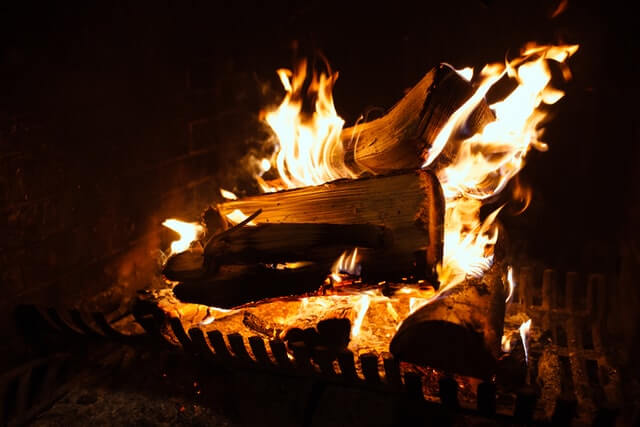
How do I start my fireplace for the first time? You might think starting a fire in your fireplace for the first time will be easy. When they think of a fireplace, most people imagine relaxing placidly by an already perfectly formed, lovely fire. They don’t think about the preparation behind the fire. There are actually several preliminary steps and precautions to take before you even light a fire. Here is a definitive list of steps to take when lighting your first fire.
Install Detectors and an Extinguisher
Before you start your fireplace for the first time, install a smoke detector and carbon monoxide detector to let you know if too much smoke is building up or if carbon monoxide is present. Also, install a fire extinguisher near the fireplace.
Check for Blockage
Next, make sure nothing is blocking the chimney, such as debris or a bird’s nest. Otherwise, since the chimney is meant to vent smoke out of the home, the smoke will have nowhere to go but inside the house. Also, make sure there is a flue cover at the top of the chimney to prevent sparks from causing an exterior roof or building fire.
Make sure the chimney has been swept for creosote and soot buildup, which can cause a chimney fire. You should have your chimney and fireplace inspected annually.
Use a Screen
Get a screen or a metal fireplace curtain and put it in front of the fire to prevent sparks from flying onto furniture or carpeting. The screen should cover the entire front of the fireplace. Keep pets and children away from the fire.
Kindling
Put small sticks, pieces of wood, and some crumpled up newspaper on top of the internal fireplace grate. You can also put crumpled newspaper below the grate. Stack wood logs horizontally on top of the kindling in a criss-cross pattern, leaving some openings for airflow. Add some more small sticks to the wood.
Open the Damper
Open the damper, located inside the chimney at the fireplace end. Generally, you pull it down to open it and push it up to close it. The damper should always be open when the fireplace is in use. You can close it when it’s not in use to lessen drafty air coming through the chimney from outside.
Light the Fire
Using a long-handled lighter or matches, ignite the newspaper and kindling. Stir the sticks around with a fireplace poker until the logs ignite.
Never leave a fire unattended. Make sure the fire is completely out if you leave the house or go to bed.
Avoid Chimney Fires
Keep your chimney clean to protect it from chimney fires. Chimney fires are a big deal; they can even be deadly. And they may not be obvious. While some chimney fires are loud and dramatic, most go unnoticed until inspection time.
Some chimney fire indicators include a popping sound coming from the chimney, abundant smoke, or a hot smell coming from the chimney. Some chimney fires are as noisy as a train or low-flying plane. However, the majority are unrecognized.
A slow-burning chimney fire can do as much damage and be as great of a threat to your chimney and even your home as a noisy fire.
Creosote
Chimneys exhaust the byproducts of combustion: water vapor, smoke, gases, unburned wood particles, tar fog, hydrocarbon, and assorted minerals pass from the fireplace through the cooler chimney, creating condensation. The sticky residue left on the inside of the chimney is called creosote.
Creosote is highly combustible, and if there’s enough creosote buildup in your chimney, it can make for a dangerous situation. Certain conditions cause creosote to build up, including low air supply, unseasoned wood, and cooler than usual chimney temperatures. You may inadvertently restrict air supply by closing the glass doors or not opening the damper wide enough.
Masonry Chimneys
When a chimney fire occurs in a masonry chimney, the high temperature (2,000 degrees) can collapse liners, melt mortar, crack tiles and damage outer masonry. Frequently, thermal shock occurs, displaces mortar and cracks tiles, and opens a pathway for the fire to reach the house’s wood frame. If this happens, you should call 911 right away.
Prefabricated Chimneys
Prefabricated metal chimneys are built to withstand temperatures up to 2100 degrees without sustaining damage. However, in a chimney fire, damage can still occur. If they do get damaged by a chimney fire, they should be replaced.
Wood Stoves
Wood stoves can withstand hot temperatures but the connector pipes that run from the stove to the chimney cannot. In a chimney fire, these pipes can warp and buckle, and if this happens, they would need to be replaced.
Signs That You’ve Had a Chimney Fire
A CSIA-certified chimney sweep will look for these signs of a chimney fire in and around your chimney:
- Puffy creosote
- Creosote flakes on the floor or ground
- Warped damper metal or connector pipe metal
- Cracked, broken, or collapsed flue tiles
- Damaged roofing material from hot creosote
- Discolored or warped rain cap
- Cracks in exterior masonry
- Smoke escaping through masonry mortar joints or tile liners
- Heat-damaged TV antenna on the chimney
If you think you’ve had a chimney fire, call a CSIA-certified chimney sweep immediately. A CSIA-certified chimney sweep will inspect your chimney for signs of fire, damage incurred and make recommendations about how to repair the chimney. In some cases, you may have to replace a chimney that’s experienced a chimney fire.
At Brick + Ember Outfitters of Indianapolis, we are CSIA (Chimney Safety Institute of America) certified. If you have concerns about your fireplace or chimney, don’t hesitate. We offer comprehensive fireplace and chimney services to help you with all of your maintenance and repair needs. Give us a call at 317-500-1250 or make an appointment on our website today.
The Most Popular Fireplace Design
The most popular fireplace design? A fireplace is a beautiful addition to your home. Great for social gatherings and priceless for family time, there’s nothing more intimate and welcoming than the warmth of a fire. If you don’t already have a fireplace, choosing one can be a bit overwhelming. That’s understandable. It’s a sizable investment, so you want to be certain you’ve chosen the right fireplace for your needs. But how do you do that?
Let’s look first at the different fuel types of fireplaces. Then, we’ll explore design. By the end of this article, you should have a better idea of what you’re looking for, and if not, you can always talk to an expert.
Fuel Types
There are three common types of fireplaces: wood-burning, gas, and electric. Each has its own benefits and limitations. While cost is outlined here, your best bet is to get a quote from a professional.
Wood-burning
Wood-burning fireplaces are the most traditional. If you want to warm yourself in front of a roaring, crackling fire, you may be interested in a wood-burning fireplace. A wood fireplace will give you an additional heat source without relying on gas or electricity. You will, however, have to chop or have access to firewood.
Wood-burning fireplaces are the most expensive to install and require the most maintenance. There’s ash to clean up inside the firebox and creosote buildup in the chimney. You will need an annual chimney sweep and inspection to ensure that everything is running smoothly and all parts of the chimney and fireplace are intact.
According to homeguide.com, it costs $1900 to $3300 to install a wood fireplace. If you want a masonry fireplace installed, it will cost $3500-$5600.
Gas
Gas fireplaces are increasing in popularity because of their ease of use. There’s no need for firewood or keeping the fire going; you can activate and deactivate it with the flip of a switch. Some are even remote-operated.
There’s no ash to clean up with a gas fireplace, and they’re cleaner for the environment. Ceramic logs closely resemble the real thing, so you’re not sacrificing the look and feel of a wood fireplace.
Gas fireplaces don’t produce smoke, sparks, or embers, making them safer than wood fireplaces, especially if you have pets or young children.
To run a gas fireplace, you will have to have a gas line installed. You will need an annual inspection to make sure everything is in working order.
It costs $2,280 to $4,030 to install a gas fireplace. If you opt for a vent-free fireplace, it will cost about $1,200 less. If you don’t have a gas line, installation may cost more, unless you can find an installation company who will install it for free because they want your business.
Electric
Electric fireplaces are excellent for small homes and apartments. You can move them to a new home with you, or even just from room to room. Like gas fireplaces, they are easy to use and don’t require a chimney. Some electric fireplaces are built into furniture, such as television consoles.
Electric fireplaces only need an outlet to function. They’re safer than wood-burning fireplaces and more effective at warming up a room because the heat doesn’t escape up a chimney. Further, you can run them without the heat so that you can enjoy them year-round.
Electric fireplaces cost $100 to $2,200 or higher. Installation labor costs $0 to $365, but you’ll only have labor costs if you need a new outlet installed or if the fireplace needs to be attached to a wall.
Design Ideas
There are three popular types of fireplace design: traditional, contemporary, and modern. Which design you should choose depends on your personal preferences and the design of your home.
Traditional
Traditional fireplaces are built from brick or stone. Wood-burning fireplaces often have the traditional-style. These fireplaces evoke a sense of rustic beauty and cozy charm. Traditional fireplaces look best in cottages, log cabins, and older homes.
Contemporary
Contemporary fireplaces are also frequently made from brick or stone, but lines are sharp and well-defined. Contemporary-style fireplaces are best suited to similarly contemporary homes.
Modern
Modern fireplaces have a futuristic look to them. Rather than brick or stone, they are often composed of materials like marble or glass. Modern fireplaces are, predictably, well-suited to modern homes.
What Should I Choose?
Let Fire Mercantile help you with design ideas for your fireplace. A company developed by Brick + Ember Outfitters, Fire Mercantile exists to help customers reimagine their fireplaces.
Fire Mercantile has a simple, four-step process. First, you meet with a hearth design specialist who will discuss the latest design trends with you and help figure out what meets your needs in terms of budget, personal preferences, and what will best fit your home. Next, your specialist will help you choose your custom fireplace design. Then, it’s time to schedule your installation. Finally, you get to enjoy your new fireplace.
For all of your fireplace needs, call Brick + Ember Outfitters at 317-500-1250. Our design team can’t wait to work with you. Give us a call or make an appointment right from our website.
How Much Does it Cost to Repair a Chimney?
Having a fireplace adds charm and value to your Indianapolis home, and fireplaces are a highly sought after feature in modern homes. However, they do take work. As a homeowner or prospective buyer, it’s understandable to be concerned about how much it would cost to refurbish an old fireplace or chimney. In today’s post, we’ll break down everything you need to know about the cost of chimney repair.
The Average Cost
Every chimney refurbish is unique, and depends on the specific condition yours is in. Because of that, there’s quite a large range for the potential cost of refurbishing a fireplace/chimney. According to Home Advisor, it costs an average of $1,000 to $3,000 to rebuild a chimney.Larger chimneys with more bricks can cost $5,000 or more.
Rebuilding a chimney stack costs $150 per linear foot. Sometimes a chimney only needs a partial rebuild, but other times it will require a complete overhaul, which will cost $1000 to $1600.
Replacing a chimney is much more expensive, starting at $10,000. Bigger chimneys or situations in which there’s been damage to the chimney can cost significantly more than that.
Do I Need to?
If you care properly for your chimney, you shouldn’t have to replace it in your lifetime, but you may need to replace parts of it. Your liner, for example, if it’s clay tile or cast-in-place, should last about 50 years. A stainless steel liner, on the other hand, will only last 15-20 years. Mortar lasts 25-30 years and a crown is good for 50-75 years.
While each part of the chimney has its own lifespan, there are different factors that may cause your chimney to require repair earlier than you anticipated. It’s helpful to understand how long certain components should last, but you must examine your particular chimney to determine if it needs to be replaced or repaired.
When Do I Need to do it?
Although the need to replace your chimney is rare, repairs to your chimney are pretty common. Wear and tear from harsh weather, animals, and lack of proper maintenance can all lead to chimney and fireplace damage. Should your chimney sustain damage, it’s critical to address it as soon as possible so you can avoid further problems and even more costly refurbishment. Here are some of the situations that will require the attention of a professional, should they arise.
Damaged Chimney Crown
Replacing your crown when necessary is critical to the health of the rest of your chimney. Damage to the chimney crown can cause water damage to your chimney, which can be costly.
Signs your crown needs replacement include cracks, rusted damper or firebox, water damage on the walls in your home near the fireplace, spalling bricks, and damaged mortar joints.
Crumbling Mortar
Crumbling mortar is usually the result of water damage, and it’s critical to address it as soon as you notice it. Mortar holds the bricks together, so when it’s damaged it threatens the integrity of the structure. Use a chimney broom to sweep the inside of the chimney. If mortar falls from the chimney while you sweep, there’s a good chance you need a repair.
Cracked Flue Tiles
Not all chimneys are created equal. Some aren’t well-constructed. Misaligned flue tiles can accelerate a chimney’s deterioration. Constant exposure to the elements leads to cracked flue tiles, which can cause damage to your home. If you have cracked flue tiles, you will need to have them repaired.
Spalling Bricks
If you find you’ve got bricks popping off your chimney and falling into your yard, you will need to have those bricks replaced to preserve the chimney’s structure.
Consult a Professional
It’s unlikely that you’ll need to replace a chimney in your lifetime; however, repairs to your chimney are inevitable. As a homeowner you are unlikely to have the very specific knowledge required to determine if your chimney or fireplace requires repairs. To accurately assess the cost of a repair or repairs, contact a professional.
With years of experience, Brick + Ember Outfitters of Indianapolis are happy to answer what questions you have about your chimney. Our affordable chimney sweep and inspection is the best way to maintain the quality of your chimney and to identify any needs for repair. We’ll catch any signs of damage early and give you a transparent quote for the cost of any refurbishment. With Brick + Ember Outfitters, expect professionalism and expertise. Schedule your appointment today by giving us a call at 317-500-1250