
How to Fix a Leaking Chimney
Few home wear and tear problems are as frustrating as a leaky chimney, as there are so many reasons why a chimney might leak and because of the sometimes permanent damage, it can cause to your home. From rusted fireplace and chimney parts to water stains on your ceiling or walls, a leaking chimney is a homeowner’s nightmare. These are elements for chimney leak repair for any home.
If you’re in the unfortunate predicament of having a leaky chimney, fear not. There are some short-term remedies you can employ until you can get a professional on the scene.
Chimney Crown Repair
Sometimes as chimneys age, they develop cracks in the crown. This allows water to sneak into your chimney. What you’ll need for this project are a caulk gun and polyurethane caulk. If you’re comfortable with getting up on your roof, inspect the chimney crown, and, if it appears sound, begin caulking any cracks or gaps you might find.
Chimney Cap Replacement
If a chimney cap is too small for your chimney, you might experience leakage. In this case, you’ll need to install a new cap. Make sure the bonnet (the top of the cap) is twice the size of the fireplace flue opening.
Brick and Mortar Repair
Like with the chimney crown, this repair involves caulking; however, you can expect it to last only months, as lasting repair requires removing cracked bricks and installing new ones.
Flashing
Flashing damage occurs because of rust or storms. The sealant can wear away and allow water to leak through. You would fix this problem by scraping away the bad caulking and redoing it with a flashing sealant or roof cement. You can also use masonry nails to reattach loose flashing.
If the flashing was installed incorrectly, then you would have leakage from the very beginning. You would need to replace the flashing altogether, as well as tar paper and adjacent shingles.
Chimney Cricket
If your leakage is because of a missing chimney cricket, you will need to call a professional to install one, as this is a large-scale project that can only be undertaken by an expert.
The Best Chimney Leak Repair Service in Indianapolis
It is important to note that most of these repairs require you to get up on your rooftop. If you have any reservations about climbing your roof (and who can blame you if you do?), it’s always better to go with an expert. Further, most of these quick fixes are temporary. To fully address the issue, you will need to contact a professional.
For the best in chimney and masonry repairs, call Brick + Ember Outfitters of Indianapolis. We offer prompt and professional service, every time. Give us a call at 317-500-1250 or make an appointment on our website.

Does My Fireplace Flue Need to be Closed or Open?
Have you ever wondered about how to work your fireplace flue? In what situations should it be open? When should it be closed? Are there any ramifications to having it open or closed at the wrong times? Find answers here, plus some useful tips.
What’s a Fireplace Flue?
A fireplace flue is the metal ductwork, brick chimney stack, or ceramic piping that runs from the firebox up and outside to the chimney’s top. It expels gas and debris from the fireplace out into the open air.
When there’s a significant difference between the temperatures inside and outside, it creates a stacking effect. The exhaust ashes and gas are lighter than the outside cold air, and the flue draws them up and out of the house. The flue also lets in fresh air, which helps to fuel the fire.
When Should the Flue Be Open?
Attached to the indoor fireplace end of the flue is a damper operated by a lever. The damper can be closed or open. The damper should always be open when a fire is burning in the fireplace. If a fire is lit and the damper is closed, the gas and debris have nowhere to go but into the house, causing a smoky situation. You can experiment with just how open you want the damper to be, but it must be open to some degree when the fireplace is in use.
When Can the Flue Be Closed?
You can close the damper when there’s no fire in the fireplace. This will keep cold air from coming in, and you can more effectively manage the temperature in your home.
What if the Damper is Open, But You Still Have Smoke Coming In?
You likely have a blockage higher up, possibly creosote buildup, or a small animal, in which case you should call a professional.
What If the Damper Gets Stuck?
The damper can get jammed in a closed position due to rust or soot buildup. When this happens, you can use a wire brush and scrub vigorously. Make sure you’re wearing safety goggles and old clothes.
Indianapolis Fireplace Maintenance and Repairs
If ever you’re in doubt about how to address problems with your flue or damper, don’t hesitate to contact Brick + Ember Outfitters of Indianapolis at 317-500-1250. Or make an appointment right from our website. We’re happy to answer all of your questions about your fireplace and help you with any fireplace maintenance or repair needs. Give us a call or schedule an appointment today.
Key Elements of Fireplace Design
There are two main aspects of fireplace design. The first aspect is about function. Your firebox, the hidden shelf above the firebox, and the flue must be installed properly to avoid smoke blowing into the house.
The second aspect of fireplace design is face value. How does the fireplace look to you and others who come into your home?
For the aesthetic component of fireplace design, you’ll be looking primarily at three parts of your fireplace: the mantle, surround, and hearth. The mantle is like a shelf above your fireplace. The surround is the area around the outside of your firebox. Finally, the hearth is the floor that extends in front of the firebox.
A fireplace symbolizes warmth and comfort. The centerpiece of any room, it should complement the space as well as the rest of your home.
Materials
If you’re thinking about having a new fireplace installed, or you just want to revamp an existing fireplace, here are some of the materials you can use to make it a true focal point of your home.
Steel
Steel is one of the most popular fireplace surrounds. It comes in various finishes to suit different interiors. Steel gives a modern, industrial look to a room.
Marble
Sleek and sophisticated, marble comes in white, mid-tone, and dark shades. It’s versatile; you see it on floors, countertops, and backsplashes as well as fireplaces, and it has made a comeback in recent years. Marble is a bit more expensive than other materials, such as granite.
Brick
Brick is a more traditional material, but it can be used in modern settings for a stylish look. It is versatile, available in several colors, and you can mix colors and different elements for accenting. You can even brick the whole wall if you so choose for a warm, appealing feel.
Stone
Stone is certainly the most traditional material you can use. Stones will heat up with the fire and keep the room warm longer. You can use a stone veneer to save yourself labor and time.
Ceramic Tiles
Tiles add a beautiful, distinctive look to your fireplace. They’re easy to clean and can be found in a variety of colors, styles, and patterns. Installing them can be a do-it-yourself project.
Granite
Granite is one of the most cost-effective materials you can buy and comes in many different shades and colors. It is often used on countertops.
Wood
Wood is probably a less common material for fireplace surrounds, although you will often see wood mantels. Still, you can use reclaimed wood for a farmhouse look or driftwood for a maritime theme.
Concrete
Concrete is durable and relatively inexpensive. It comes in a wide variety of colors and textures. Use concrete for a contemporary, industrial look.
Before beginning any project, you should consult your town office or city hall for building codes that may prohibit the use of certain materials. Some building codes, for example, only allow brick or stone fireplaces.
If you don’t already have a fireplace, enlist the help of a professional to have one installed. Fireplace installation is not a DIY project. One small mistake could lead to disaster down the road. When it comes to fire, it’s always best to consult an expert.
Call Brick + Ember Outfitters of Indiana at 317-500-1250 to help you design and install your fireplace. We have years of experience and are happy to answer all of your questions about fireplace installation and design. Call us or make an appointment on our website today.
How to Put Out a Fire in a Fireplace
The cold weather is fast approaching. Pretty soon you’ll want to cozy up in front of a crackling fire. Worried about those rogue sparks that land on your floor? Now you don't have to be. Here's a step-by-step guide to putting out a fire so you can have peace of mind as you turn in for the night. Let us show you how to put out a fire in a fireplace
Step 1
Take your poker and spread your firewood evenly in a flat mound. This will accelerate the cooling process.
Step 2
With your fireplace shovel, take the ashes from your fireplace and/ or your ash can and toss them onto the firewood. Continue this process until the last embers die out.
Step 3
Sprinkle baking soda over the firewood and ash. Baking soda contains sodium bicarbonate, which is used in Class C fire extinguishers. Sand works equally well to douse a fire; however, it makes a huge mess. Don't use water, as this causes an even bigger mess and it takes a long time to put out the fire.
Wait a few minutes to make sure the fire has gone out completely and doesn’t reignite. If the fire reignites, repeat this step.
Note: Make sure the damper is open while your fireplace is in use, and closed when it isn’t. Keeping it open while a fire is burning allows the smoke to escape out of the house and up the chimney. Keeping it closed while not in use will prevent rain and snow from coming in.
Step 4
With your fireplace shovel, scoop the ashes from the fireplace the following morning and place them in a metal ash container to be stored outdoors, away from any combustible material.
The Best Fireplace Services in Indianapolis
Putting out a fire is a longer and more complicated process than people without a wood-burning fireplace probably realize. You can’t just push a button to turn it off as you would a gas or electric fireplace.
If you’re concerned about flying sparks, you’re not over-worrying. Unattended, they can be dangerous. That’s why it’s important to be present while a fire is burning, and to fully extinguish it before you go to bed.
Before you start your first winter fire, make sure you have your fireplace and chimney inspected. This is an important fire safety precaution and could prevent a chimney fire. For outstanding chimney service, call Brick + Ember Outfitters of Indianapolis at 317-500-1250. Our CSIA-certified experts are happy to serve you. Just give us a call or make an appointment on our website.
Best Way to Fix My Fireplace
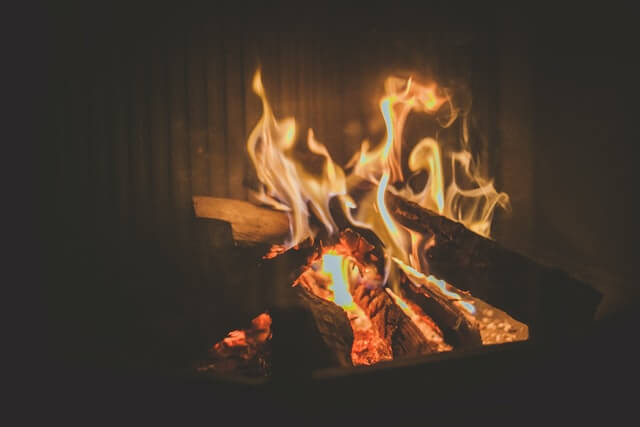
Best way to fix my fireplace. Oh, no! What’s wrong with my fireplace?A fireplace is a welcome asset to any home. But, like anything else, it needs regular care and maintenance to keep it in its best shape. It’s worth noting that different types of fireplaces have different issues. Here are some of the most common problems with three types of fireplaces and possible solutions to get you up and running again.
Common Wood Fireplace Problems
Damper Closed
Before you start a fire, be sure your damper is open. If you can’t tell, shine a flashlight up the chimney to see if the damper plate is closed or open. Occasionally a damper can get stuck in a closed position due to soot or rust buildup. You can fix it with vigorous scrubbing using a wire brush. Make sure to wear safety goggles and old clothing.
Dirty or Obstructed Chimney
You will need a chimney sweep to come in and clean your chimney. A chimney sweep will also check the chimney for possible obstructions like tree branches or a bird’s nest. If your chimney cap is dirty, smoke won’t exit your chimney correctly.
Common Gas Fireplace Problems
Pilot Light is Out
If the pilot light is out, follow the instructions in your fireplace’s manual to reignite it. Pilot lights can go out easily, even from a gust of wind. However, if you find the pilot going out often, it may be the thermopile or thermocouple, and you should contact a professional.
Filmy Glass
You must clean your glass fairly regularly, or residue will build up on it. If you leave it for too long, you will not be able to remove it completely. Do not use an ammonia-based cleaner, as it will etch the glass, and you will have to replace it.
Common Electric Fireplace Problems
Unit Won’t Turn On
Make sure the unit is plugged directly into the wall socket and the power switch is on. Don’t plug an electric fireplace into an extension cord. If it is plugged into an extension cord, unplug it and replug the unit directly into a wall socket. If the fireplace still isn’t coming on,
- Check to make sure it’s not in a confined space.
- Doesn’t have any obstructions
- Components are clean
- If the unit has a remote, change the remote’s batteries and see if the unit will turn on from the remote. Also, try the power button on the unit again.
- Check for bad wiring, such as a bent or overstretched cord.
- Use another wall socket.
- Replace the fuse on the fireplace.
- Check the fuse box or breaker for any tripped switches.
Unit Won’t Heat
Make sure the unit is plugged into the wall, and the power switch is on. Next, turn on the switch or switches that operate the heater. In some cases, all switches must be on for the unit to emit heat on the highest setting.
If your unit has a thermostat, make sure it’s set to above what your room temperature is, or the heat won’t come on.
Make sure the unit’s inlet and outlet are clean. If the inlet is blocked, it won’t circulate the cooler air through the unit. If the outlet is blocked, it won’t produce heat.
Ensure the heater element inside the unit and the blower are clean. If the heating element has burned out, you will need to replace it.
The Best Fireplace Repair in Indianapolis
These are just a few of the most common things that can go wrong with a fireplace. Unfortunately, there are plenty more. If you ever have a problem you’re having difficulty diagnosing or fixing, you should always call a professional for support.
Have a question about your fireplace? Don’t hesitate to contact Brick + Ember Outfitters of Indianapolis to help you with all of your fireplace needs. Don’t wait. Call us today at 317-500-1250, and we’ll be happy to answer any questions you may have about your fireplace and its functionality.

What to Look For in a Certified Chimney Sweep
It’s time to have your chimney inspected. Who should you hire for the job? What qualities should you look for in a certified chimney sweep?
Reliability
Look for online reviews about your chimney sweep. Chances are, an underperforming chimney sweep or one who overcharges will have a trail of reviews to prove it. On the other hand, a great chimney sweep should have glowing testimonials. Check out company websites, Yelp, and Google Reviews.

How a Chimney Flue Works
For Indianapolis homeowners with a fireplace, understanding the basic components of a chimney is important. Knowing the primary parts of your chimney will allow you to be a more responsible fireplace owner and give you a base for identifying issues.
The Process of Fireplace and Chimney Inspections
It’s about that time again, time for your annual fireplace and chimney inspection. “Really?” you say. “Wasn’t that guy just here? Was it that long ago? Why do we need an annual inspection, anyway?”
The short answer is safety. Your expert technician will investigate any problems there may be with the chimney that could be hazardous to you or your family.

The Average Lifespan of a Chimney Liner
The average lifespan of a chimney liner. To keep your chimney in great shape for many years, you’ll need a high-quality, durable chimney liner. The chimney liner, or flue liner, is installed inside of the chimney, and it helps protect your chimney walls. Whether you already have a liner or are looking for one now, you’ll want to know how long it will last.
Fireplace Installation Must-Haves
Fireplace installation must-haves. There’s nothing like a home improvement project to get you in a good mood. If you’re having a new fireplace installed, perhaps you’ve thought about the things you might need to care for it and make it unique. Here are some of the essentials you need for a new fireplace.
Wood-Burning Fireplace
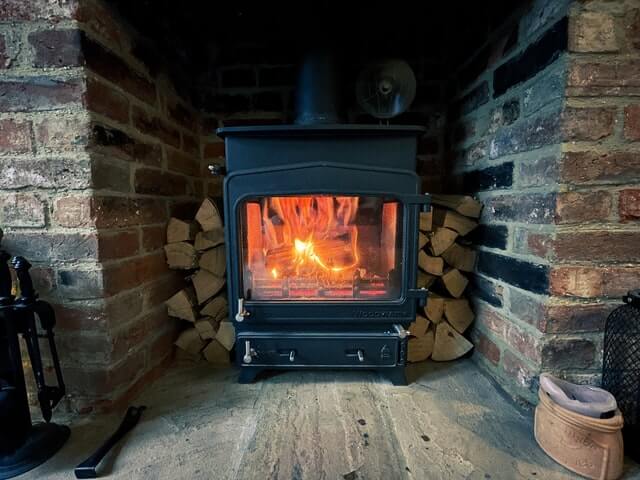
If it’s cozy and traditional you’re going for, you can’t do better than a wood-burning fireplace. If you’ve invested in a wood-burning fireplace, you’ll no doubt want some of the accessories that go with it, for functional purposes or to dress up your hearth, or both. You’ve patiently endured the installation process, now comes the fun part!
Fireplace Tool Set
For a wood-burning fireplace, you’ll want a fireplace tool set. These consist of a brush, poker, log tongs, and a shovel. The brush is to sweep up ash and keep the area clean. The poker moves logs to improve the burning process. The shovel removes ashes from the fireplace, and the tongs are for moving burning logs around and adding new logs.
Fireplace Doors
Fireplace doors are a good safety measure for wood-burning fireplaces because they contain the fire’s sparks and embers. They are also useful in boosting the fire’s efficiency and limiting heat loss.
Fireplace Blower
A fireplace blower accelerates the heating process using convection to draw cooler air into and blow hot air out of the fire box. A blower can significantly enhance your fireplace’s heating ability.
Gas Fireplace
You won’t need a fireplace tool set for your gas fireplace, but there are still plenty of nifty accouterments you can purchase to enhance the functionality and ambience of your new addition. Here are just a few of the most essential.
Remote Controls
Remote controls are excellent for convenience. You can tend to your fire without even getting up. Some are wall-mountable and Bluetooth enabled.
Decorative Liners
Just the thing to spruce up your firebox, you can get decorative liners in metal, ceramic, refractory cement, porcelain, and brick.
Trim Kits and Facades
Add trim to your fireplace to frame it and make it stand out. When it comes to facades, there are many materials you can choose from, such as brick, stone, ceramic tiles, marble, or slate. It all depends on your personal preferences and the style of the rest of your house.
Electric Fireplace
Electric fireplaces are fantastic in their versatility. You can move them from room to room, and they work beautifully in small homes and apartments. They are the lowest maintenance of the three types of fireplaces described here. Can you still buy accessories for your electric fireplace? Absolutely!
Remote Controls
Remotes have pretty much the same benefits for an electric fireplace as they do for a gas fireplace. You can control your fire from wherever you are. Sometimes remote controls are included with your fireplace.
Glass Media
Glass media is made from crushed ceramic glass. You can get it in all different shapes, colors, and styles for a contemporary look.
Fronts
Fronts are overlays to enhance the outside of your fireplace. Like with facades, you have plenty of options, from wood to ceramic, brick to marble. Time to get creative!
Your Indianapolis Fireplace Installation Experts
A fireplace is an asset to your home, no matter the type. If you’re thinking about having a fireplace installed, choose Brick + Ember Outfitters of Indianapolis to answer any questions you may have about the process. Our installation and design teams will work together with you to build the fireplace you’ve always dreamed of. Give us a call at 317-500-1250 or make an appointment directly on our website.